
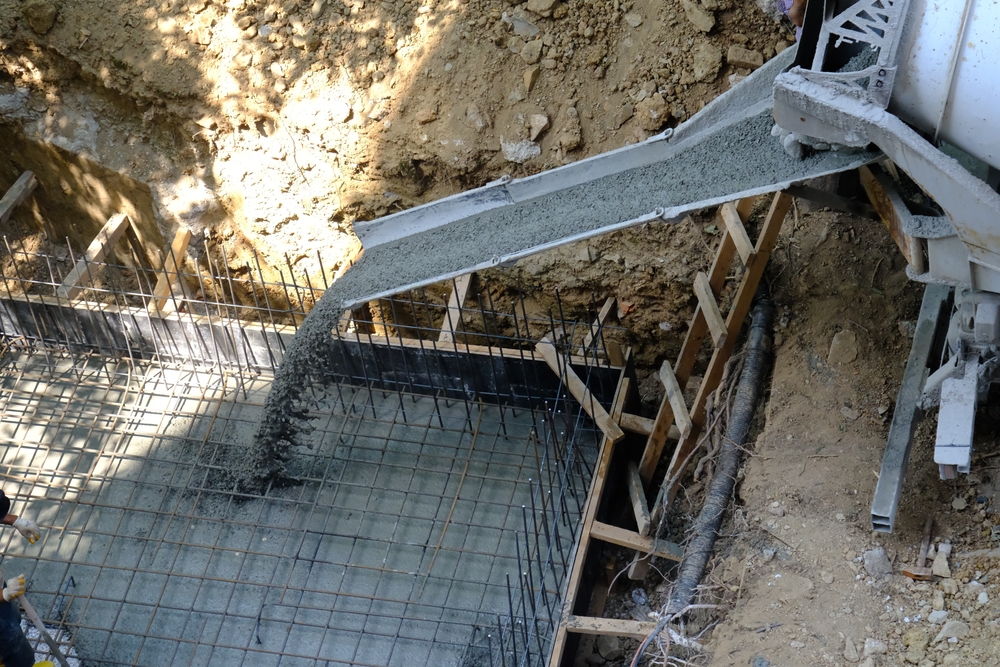

Concrete placement is one of the most critical processes that directly affects a structure’s durability. Whether it’s foundation, column, beam, slab, or wall concrete, the concrete must be properly prepared, placed at the right time, and protected under appropriate conditions. This process should not be viewed merely as the discharge of concrete from a mixer. Every step, from preliminary preparation to curing, is crucial for ensuring the structure’s longevity and safety.
What Is Concrete Pouring?
Concrete placement is the process of placing ready-mix concrete into specified structural elements using appropriate methods. Concrete is a mixture consisting of cement, water, aggregate, and admixtures. However, selecting the right materials alone is not enough to produce high-quality concrete. The time it takes for the concrete to arrive at the construction site, its consistency, placement, compaction, and subsequent curing are just as important as the quality of the mixture.
If concrete is not poured properly, it can lead to cracks, loss of strength, surface damage, and safety issues in the structural system down the line.
How Do You Prepare for Concrete Pouring?
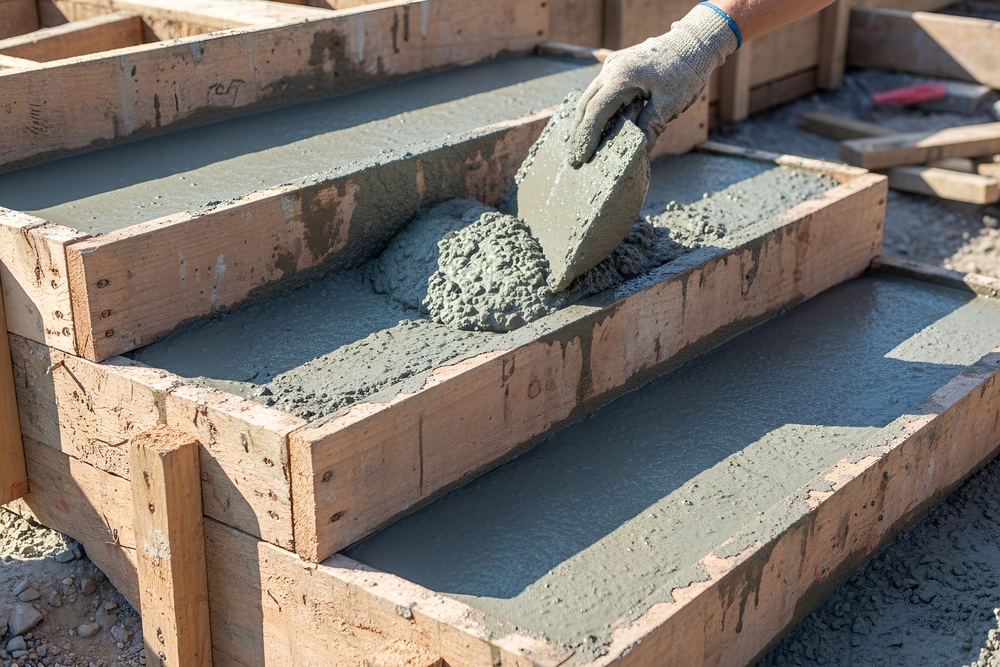
Before beginning the concrete pour, ensure that the work area is ready. Check the integrity of the forms, the placement of the rebar, the clearance around the rebar, the locations of utility penetrations, and the cleanliness of the surface. If there are any gaps, loose connections, or voids in the forms that could cause concrete leakage, they must be corrected before pouring.
Ensuring that the reinforcing bars are placed in accordance with the design is also one of the most important checks at this stage. The reinforcing bars must remain in place, the clearance for corrosion must be properly accounted for, and gaps must be left to allow concrete to reach every point. In addition, the area where the concrete will be poured must be free of mud, oil, dust, loose material, and standing water.
Concrete Order and the Correct Concrete Grade
The concrete grade to be used in concrete pouring is selected based on the technical specifications outlined in the construction project. The same concrete grade may not be used for every structural element. Therefore, the structural design and technical specifications must be taken into account before placing an order.
When ordering ready-mix concrete, the concrete grade, consistency, aggregate size, type of admixture, and delivery schedule must be specified correctly. It is particularly important to ensure an uninterrupted supply of concrete for large-volume pours. Prolonged waiting times can lead to the formation of cold joints and a decline in the quality of the pour.
What Should Be Checked When Concrete Arrives at the Construction Site?
When the concrete mixer arrives at the construction site, the delivery note information must be checked. The concrete grade, time of production, quantity, and delivery time must be carefully reviewed. If the concrete is left to sit at the construction site longer than necessary or if water is added without proper control, this can negatively affect its strength.
It is also important to check the consistency before application. If the concrete is too dry, it will be difficult to place; if it is too fluid, the risk of segregation may increase. For this reason, the concrete must have a consistency suitable for the on-site conditions. When necessary, the technical team takes samples to prepare cube or cylinder specimens for strength testing.
How Is Concrete Poured?
Concrete placement can be performed using a pump, chute, or direct discharge method, depending on the type of structural element and site conditions. During placement, concrete must not be dropped from a great height. Concrete poured from an excessive height may segregate, causing the aggregate and mortar to separate.
Concrete should be placed in layers and in an orderly manner as much as possible. Pouring from a single point and waiting for the concrete to spread on its own is not the correct practice. This can lead to voids and prevent the concrete from properly filling the space around the rebar. Coordinated work by the crews during pouring is of great importance in terms of both speed and quality.
Surface Leveling and Final Inspections
After the concrete is placed, the surface is leveled. For floor slabs, the screeding and finishing processes are crucial for surface quality. At this stage, elevation checks must be performed, and the slope and level values specified in the project must be carefully followed.
Formwork edges, joints, and utility penetrations must be inspected one last time. If there are any areas where the concrete has not set properly, where voids remain, or where surface separation is visible, the technical team must take immediate action.
How Is the Concrete Curing Process Done?
Once concrete placement is complete, one of the most important steps is the curing process. Curing is the process of maintaining the concrete’s moisture content as it sets and gains strength. If the concrete loses water too quickly, it can lead to surface cracks and a loss of strength.
Kür işlemi için yüzey belirli aralıklarla sulanabilir, kür malzemesi uygulanabilir ya da beton yüzeyi örtülerle korunabilir. Özellikle sıcak, rüzgârlı veya kuru havalarda kür uygulaması daha da önem kazanır. Soğuk havalarda ise betonun donmaya karşı korunması gerekir.
Weather Conditions Must Be Taken Into Account During Concrete Pouring
When pouring concrete, air temperature and environmental conditions must be taken into account. In very hot weather, concrete can lose water quickly; in cold weather, the setting process slows down and there is a risk of freezing. In rainy weather, water accumulation inside the formwork can negatively affect concrete quality.
For this reason, weather conditions should be monitored when scheduling the concrete pour, and the necessary protective measures should be prepared in advance. If site conditions are not suitable, postponing the pour may be the better decision.
Concrete placement is a process that directly determines the quality of a structure’s load-bearing system. Every stage—from formwork and reinforcement inspection to the selection of concrete grade, and from the placement method to vibration and curing—must be carried out with great care.
Properly planned concrete pouring, carried out in accordance with technical standards, ensures that the structure is safe, durable, and long-lasting. For this reason, concrete pouring is a critical process that must be monitored not only by the construction crew but also by engineering, inspection, and site management teams working together.