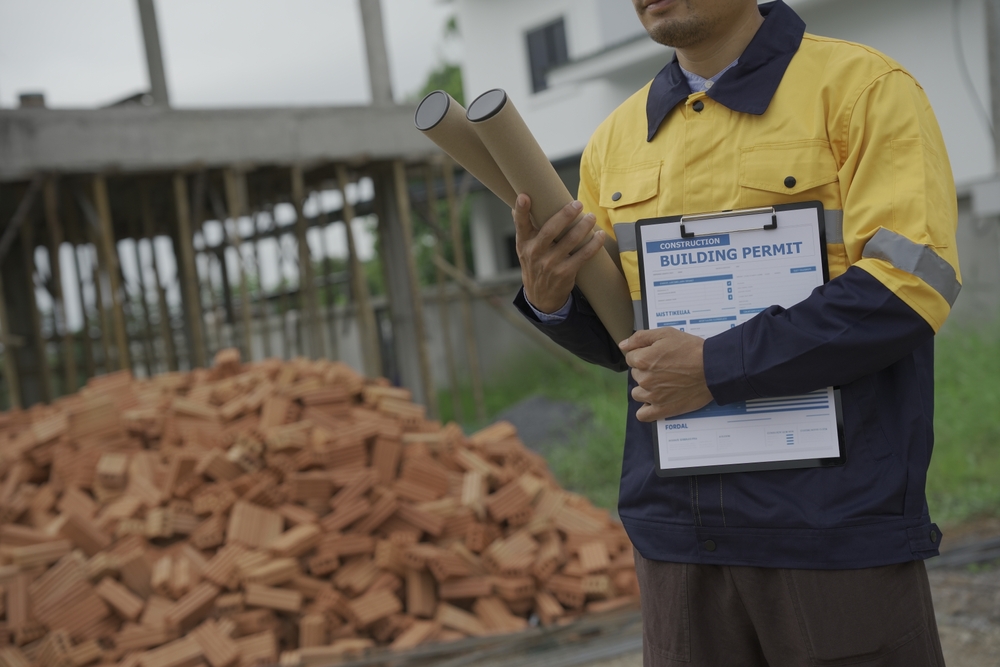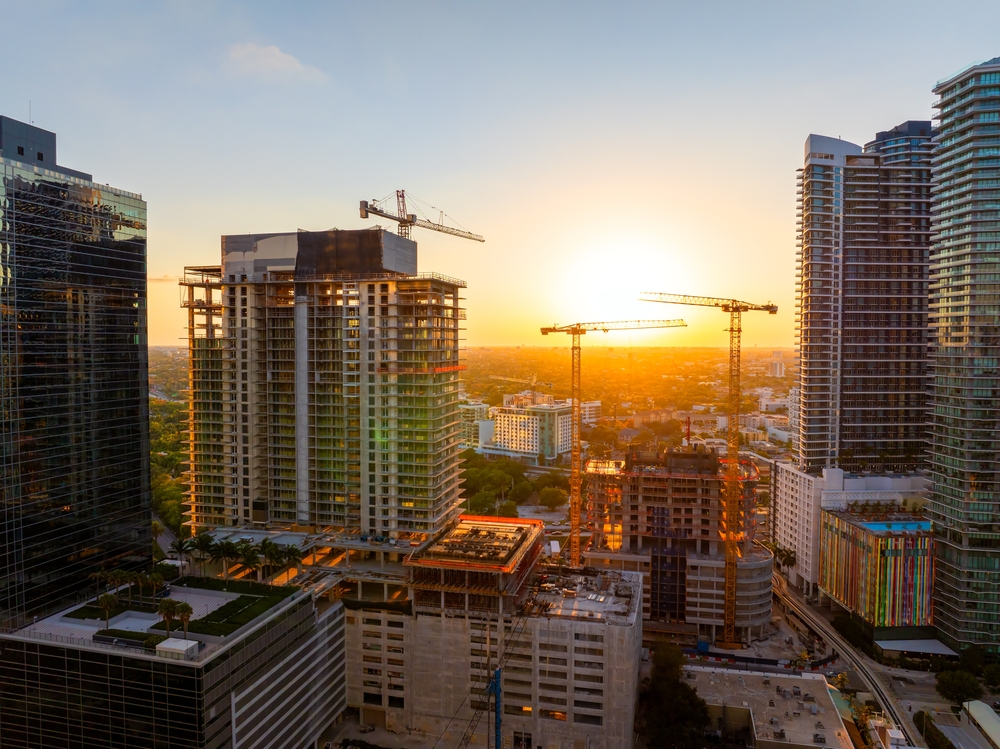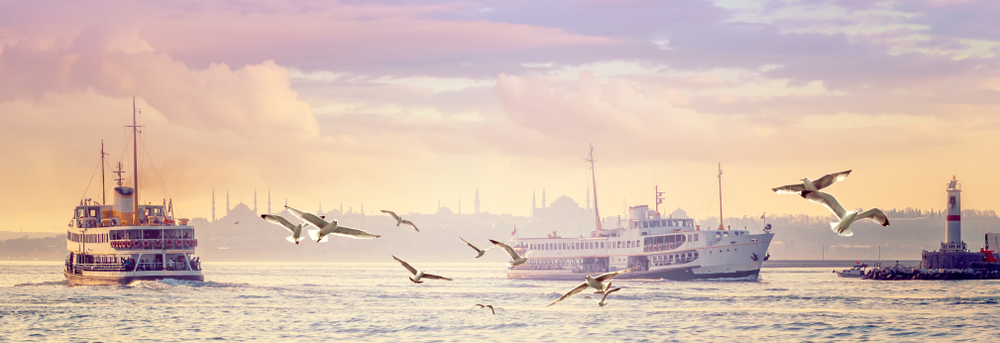

Urban renewal has become one of the most talked-about topics in our country in recent years. In particular, rising population density in major cities, aging building stock, and the reality of earthquakes have made urban renewal an inevitable necessity. However, urban renewal is not merely about renovating buildings. This process also presents a significant opportunity to improve quality of life, ensure safety, preserve aesthetic values, and implement a sustainable urban planning approach. The cities of the future will consist not only of sturdy structures but also of people-centered, environmentally harmonious, and aesthetically pleasing living spaces.
The Primary Goal of Urban Renewal: Safety
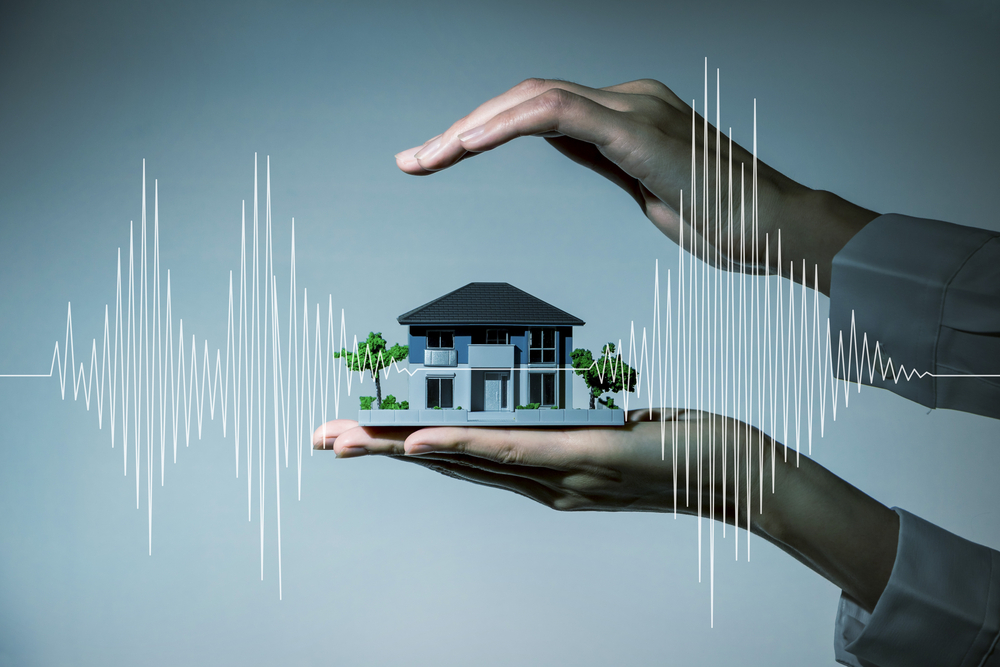
In a country like Türkiye, which lies in an earthquake zone, the primary goal of urban renewal is to ensure public safety. Buildings constructed years ago that do not comply with current earthquake codes pose a significant risk in the event of a disaster. For this reason, urban renewal involves not only demolishing old buildings and replacing them with new ones, but also constructing earthquake-resistant structures that meet engineering standards and are built to last. In the future, urban renewal projects are expected to encompass safety planning not only at the building level but also at the neighborhood and city levels. This is because a safe city is made possible not only by sturdy buildings but also by well-organized infrastructure, emergency assembly areas, and disaster management systems.
Aesthetic Values and Cities with Identity
One of the factors that will shape the future of urban renewal is the concept of aesthetics. Some renewal projects carried out to date have been limited to simply lining up buildings like boxes, thereby undermining the identity of cities. Yet cities are not merely piles of concrete; every city has its own unique spirit, history, and cultural heritage. Future urban renewal projects should aim to preserve this identity and prioritize aesthetic values. Architectural diversity, the preservation of the local character, and the aesthetic planning of squares and public spaces will provide people with living spaces that are not only safe but also peaceful and enjoyable.
Sustainability and Environmentally Friendly Approaches
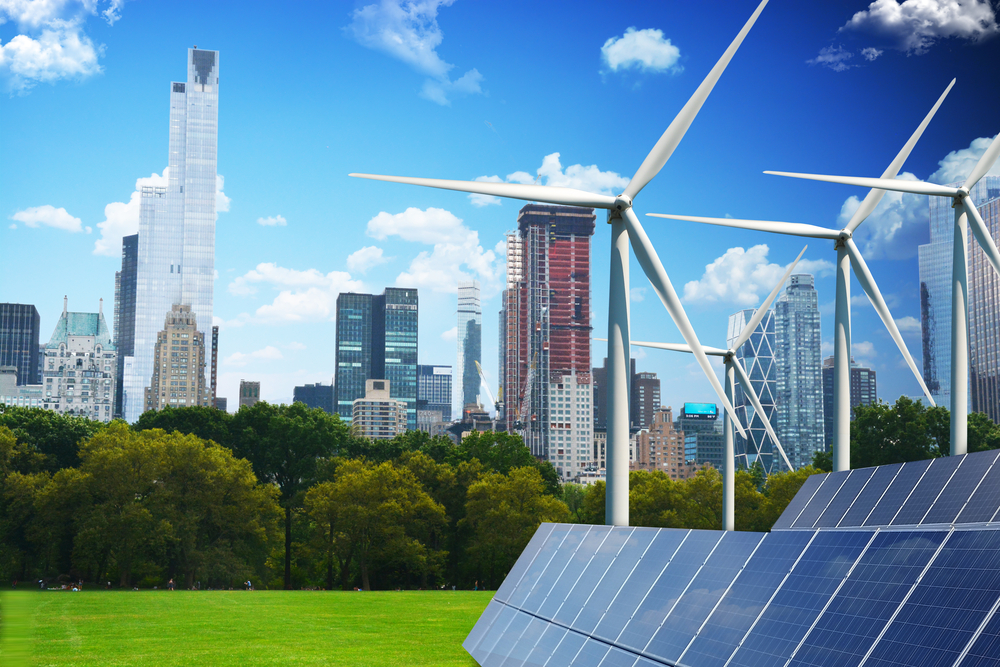
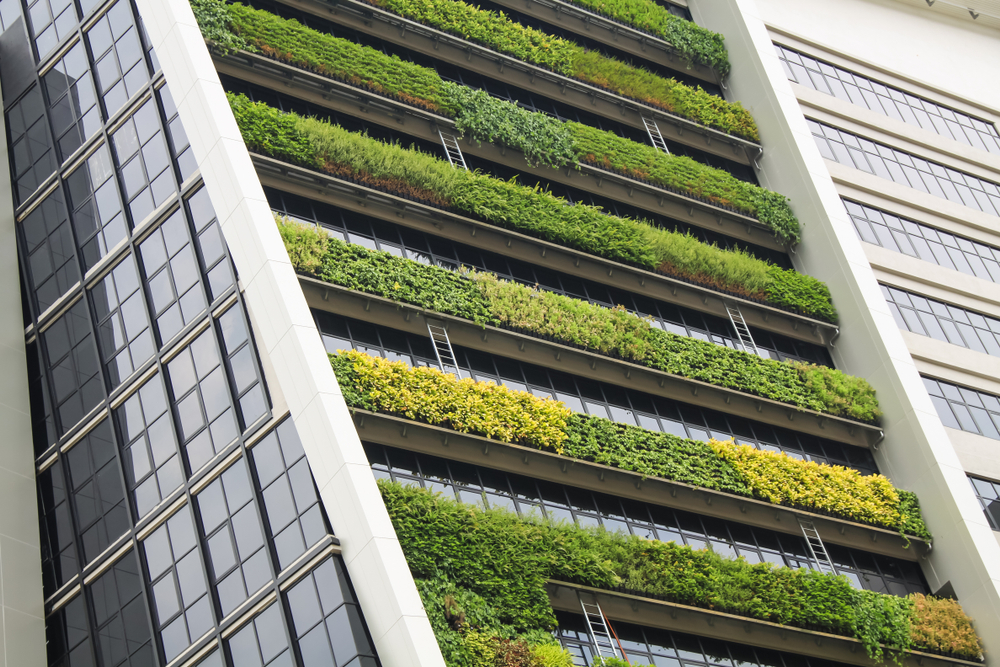
One of the greatest challenges facing the world is climate change and environmental degradation. The future of urban renewal must encompass living spaces that are not only resilient and aesthetically pleasing but also environmentally friendly. Energy-efficient buildings, rainwater harvesting systems, green roofs, recycling-focused solutions, and technologies that reduce carbon emissions will be an integral part of this process. Furthermore, increasing green spaces in cities—including the planning of parks, gardens, and walking paths—will strengthen people’s connection to nature and improve their quality of life.
Social Dimension: People-Centered Living Spaces
Urban renewal is not merely about the revitalization of physical spaces; it also involves strengthening the social fabric. In future renewal projects, preserving neighborhood culture, strengthening neighborly ties, and increasing social amenities will be of critical importance. Schools, health centers, sports facilities, cultural centers, and children’s play areas will not only make people’s daily lives easier but also strengthen social bonds. People-centered urban renewal will create modern neighborhoods where individuals do not feel isolated and where a sense of belonging is strengthened.
Economic Contributions and Investment Value
Urban renewal projects are also economic investment vehicles. Safe and aesthetically pleasing buildings increase the value of neighborhoods, create new job opportunities, and invigorate the city’s economy. In the future, neighborhoods undergoing the transformation process are expected to become hubs of attraction not only for residential purposes but also for commerce, tourism, and the service sector. For this reason, urban renewal offers significant opportunities for everyone, from individual investors to public authorities.
The Urban Planning Model of the Future
In the future of urban transformation, the concept of “livable cities” will take center stage. In these cities, safety, aesthetics, sustainability, and social harmony will go hand in hand; people will choose their cities not just for shelter, but to lead a high-quality life. Smart city technologies, innovative transportation solutions, digital infrastructure, and energy management systems will shape the urban planning model of the future. In other words, urban transformation will not only solve today’s problems but will also shape the lifestyle of tomorrow.
The future of urban renewal will be shaped by the construction of safe and aesthetically pleasing living spaces. Ensuring safety in the face of the reality of earthquakes, prioritizing aesthetic values to preserve the spirit of cities, developing environmentally friendly and sustainable solutions, and strengthening the social fabric are the cornerstones of this process. Creating safer, more aesthetically pleasing, and more livable cities for future generations is a shared responsibility for all of us. When properly planned, urban renewal transforms not only buildings but also our lives.