


One of the most critical stages of a construction project is the handover process that takes place upon completion. This process involves not only the physical completion of the building but also the full fulfillment of all technical requirements, contract terms, and quality standards. Construction handover is the final evaluation stage between the client, contractor, and inspection teams, and it determines whether every detail of the project has been properly implemented. Since even a minor oversight can lead to significant costs or legal issues in the future, the handover process must be conducted with the utmost care. Therefore, understanding and properly managing the construction handover phase is the key to both successfully completing the project and building long-term trust.
What Is the Construction Handover Process?
The construction handover process is the stage at which, following the completion of a project, the contractor formally transfers the work to the client. This process involves not only the completion of the physical construction but also ensuring that the project meets all technical, aesthetic, and legal requirements specified in the contract. In other words, when a building is said to be “finished,” it actually means that the handover process has entered a phase of rigorous inspection and approval.
The handover process generally consists of three main stages: preliminary inspection, provisional acceptance, and final acceptance. During the preliminary inspection stage, the employer or the inspection team conducts a general review after the contractor has completed the project. At this stage, any deficiencies or defects are identified, and corrections are requested. Then, once the necessary corrections have been made, the “provisional acceptance” process is carried out. Provisional acceptance indicates that the structure is generally in a usable condition and that there are no major deficiencies.
However, the handover process does not end here. Any potential defects that may arise while the building is in use for a certain period (usually one year) are monitored. At the end of this period, the “final acceptance” phase takes place, and responsibility for the project is fully transferred to the client. From this point onward, the contractor’s legal and technical responsibilities come to an end.
The construction handover process is the final—but most important—step in a project. This process not only confirms that a building has been completed, but also that it has been delivered in a safe, usable, and contract-compliant manner. A properly executed handover process lays the foundation for long-term trust and satisfaction for both the contractor and the client.
What Should Be Considered During the Construction Handover Process?
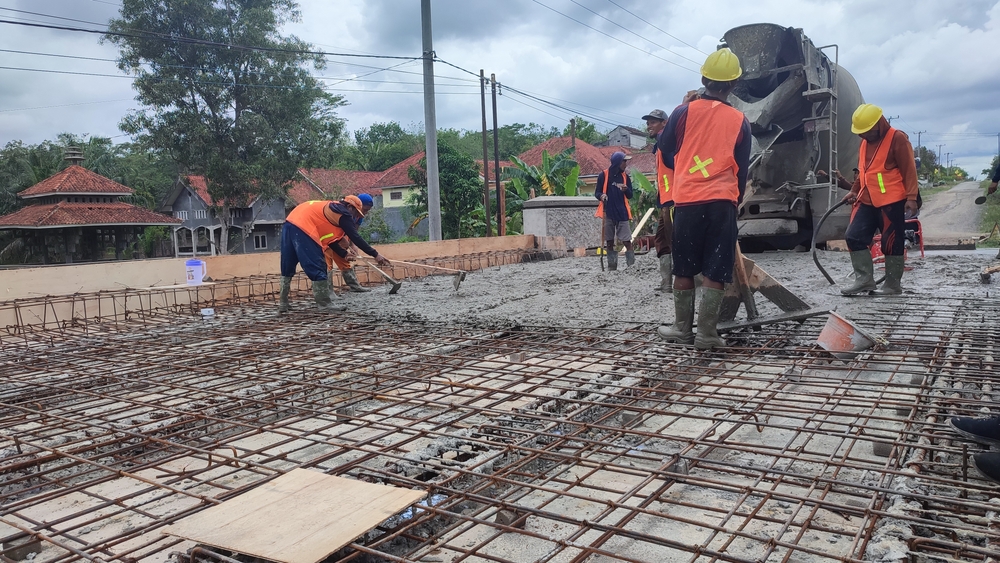
The construction handover process is the most critical phase between the client and the contractor following the completion of a project. The factors that must be considered during this process directly affect both the quality of the structure and the legal security between the parties. The most important step is to conduct a detailed technical inspection prior to handover. The client or the inspection team must inspect all sections of the building—including the structural system, electrical, mechanical, plumbing, insulation, facade, flooring, and roof—one by one. If any incomplete work, improper installation, or material defects are identified, they must be corrected before handover.
Another point to keep in mind is verifying whether the terms of the contract have been fully met. Compliance with the specified quality of materials, brand, model, and workmanship standards—as outlined in the contract—must be thoroughly verified. In addition, all documents required to be delivered as part of the project—structural, electrical, and mechanical drawings, user manuals, warranty documents, and technical reports—must be submitted to the client in their entirety. These documents are of great importance in the event of technical issues that may arise in the years to come.
During the handover process, it is also important to conduct tests related to workplace safety and building usage. Elements such as elevators, electrical systems, fire alarm systems, and waterproofing must undergo functional testing before the building is opened for use. Once all these procedures are completed, provisional acceptance takes place; however, even at this stage, a report must be prepared to ensure that minor deficiencies do not go unnoticed.
Finally, the most important factors to consider during the handover process are communication and transparency. Open communication must be established between the contractor and the client, and each stage must be documented. This helps prevent potential disputes and ensures the process is safeguarded from both technical and legal perspectives. In short, the construction handover process is not merely a formality; when managed properly, it guarantees a safe structure that will last for many years.
What Are the Stages of the Construction Handover Process?
The completion of a construction project is not merely marked by the end of construction activities, but also by the proper execution of the official handover process. The construction handover process consists of the stages through which responsibility for the structure is transferred from the contractor to the client upon the project’s completion, with the client’s approval. The smooth progression of this process is of great importance from both a technical and legal standpoint.
The handover process generally consists of three main stages: preliminary inspection (preparation), provisional acceptance, and final acceptance.
During the preliminary inspection process—the first stage—the contractor notifies the employer that the project has been completed, and the employer or an independent inspection team begins a detailed examination of the building. At this stage, the structure is reviewed in general, any deficiencies or defects are identified, and a report is prepared. Once the necessary corrections have been made, the process moves on to the second stage.
The provisional acceptance phase indicates that the project has been generally completed and is ready for use. At this stage, the employer evaluates the work performed in accordance with the terms of the contract. If no significant deficiencies are found, the structure is provisionally accepted. However, this acceptance is not final; minor defects or errors that may arise during the structure’s period of use continue to be monitored.
Final acceptance, the final stage, takes place at the end of the specified period of use. During this process, any deficiencies that were not identified during provisional acceptance or that have since come to light are rectified. Once the structure meets all technical and aesthetic requirements, it is fully accepted by the client. With this stage, the contractor’s liability ends, and the structure is officially transferred to the client.
In conclusion, the stages of the construction handover process are like a chain in which each step complements the others, ensuring that the building is handed over safely and in its entirety. Careful execution of these stages strengthens both the quality of the project and the trust between the parties.