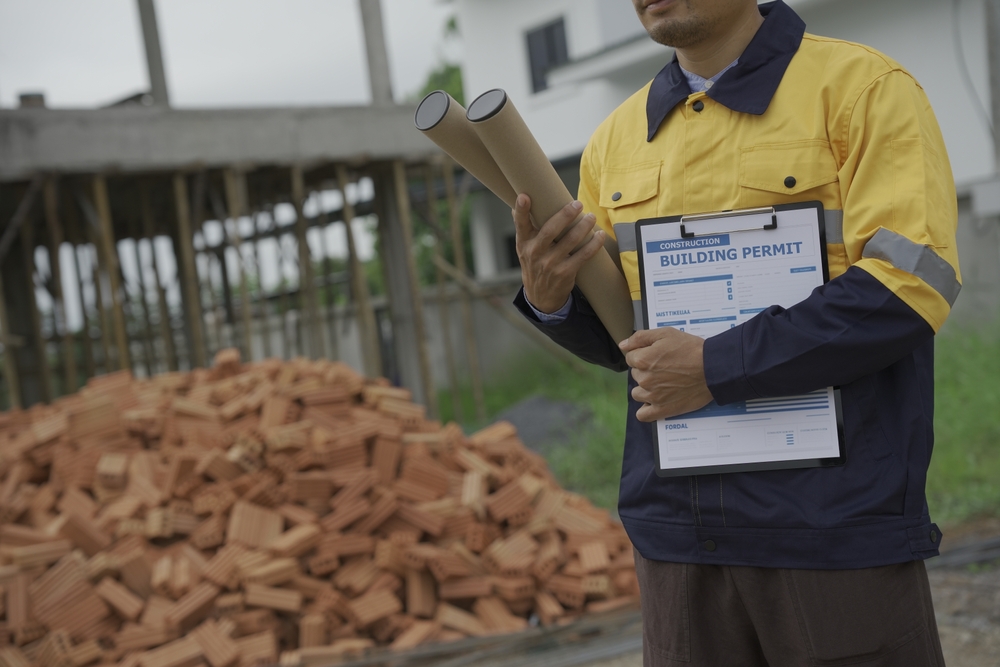


One of the key considerations when buying a new home or moving into a newly completed building is the occupancy permit. Just because a building appears to be finished from the outside does not mean it is legally ready for occupancy. The necessary official procedures must be completed, and permits must be obtained from the relevant authorities.
Commonly known as an “occupancy permit,” the building occupancy permit is an official document certifying that a building has been completed in accordance with its building permit and approved plans. So, what is an occupancy permit, how is it obtained, what documents are required, and can you buy a home without one? Here’s what you need to know about the subject.
What Is an Occupancy Permit?
The occupancy permit, officially known as the building occupancy permit, is a document certifying that a completed building complies with relevant regulations, the building permit, and the approved plans.
This document is issued following inspections conducted by the competent authority. During these inspections, officials assess not only whether the building is physically complete but also whether it meets the necessary technical specifications and conditions for use.
For example, even if the apartments in a building are completed, there may still be deficiencies in the common areas, the building’s systems, or compliance with the project plans. In such cases, an occupancy permit may not be issued until the necessary corrections are made.
Therefore, the occupancy permit is a crucial step in officially completing a building’s construction process.
How to Obtain an Occupancy Permit?
To obtain an occupancy permit, the building’s construction must first be completed. Then, the building owner or their authorized representative must submit an application to the relevant authority that issued the building permit.
The process of obtaining an occupancy permit generally consists of the following steps:
1. Completion of Construction
In the first step, the building must be completed in accordance with the approved architectural and technical plans. It is important that not only the apartments but also the stairwells, elevators, common areas, and necessary utilities meet the relevant requirements.
2. Preparation of Required Documents
Prior to submission, the documents required for the occupancy permit are prepared. These include reports issued by the building inspection agency or the responsible engineers, the energy performance certificate, and photographs of the building.
3. Submission of the Application to the Competent Authority
The completed application is submitted to the competent authority in the area where the building is located. For many buildings within municipal boundaries, applications are submitted through the relevant municipality’s building inspection or zoning departments.
4. Inspection of the Building
Following the submission of the application, the competent authority reviews the building’s compliance with its permit and approved plans.
If any construction deviating from the plans or unfinished sections are identified during the inspection, the applicant is required to rectify them.
5. Issuance of the Occupancy Permit
If the building is found to comply with regulations, an occupancy permit is issued.
According to the Zoning Regulations for Planned Areas, the certificate is expected to be issued within 30 days for buildings found to be compliant. However, the process may take longer if deficiencies are identified.
What Documents Are Required to Obtain a Housing Certificate?
The documents to be submitted with an occupancy permit application are evaluated based on the building’s characteristics and applicable regulations.
Generally, the application includes the following documents:
- Application Form for a Building Occupancy Permit
- Reports from the building inspection agency or the technical supervisor
- Energy Performance Certificate
- Photographs showing the building in its completed state
In addition to these, building permits, approved plans, and relevant technical records are also reviewed by the authorities.
To find out which documents must be submitted at the time of application, it is helpful to review the relevant municipality’s current application requirements. As required by law, documents already on file with the authorities generally should not be requested again.

Can You Buy a House Without an Occupancy Permit?
In some cases, it is possible to purchase an apartment that does not have an occupancy permit. However, purchasing such a property may entail various legal and technical risks.
First, it is necessary to investigate why the occupancy permit was not obtained. Some of the reasons include the building not yet being completed, construction deviations from the project plans, or the necessary procedures not having been finalized.
In a building without an occupancy permit, issues may arise regarding electricity, water, and other utility services. Additionally, various difficulties may be encountered during the process of converting to condominium ownership.
For this reason, simply reviewing the title deed is not sufficient before purchasing a home. It is also necessary to verify whether the building has an occupancy permit.
What Is the Difference Between an Occupancy Certificate and a Building Permit?
A building permit and an occupancy permit are two separate official documents issued at different stages of the construction process.
A building permit is a document that authorizes the construction of a building in accordance with the relevant plans and regulations. It must be obtained before construction begins.
The occupancy permit, on the other hand, is issued after construction is completed and indicates that the building has been authorized for use.
In short, a building permit grants permission to begin construction, while an occupancy permit grants the necessary authorization for the completed building to be used.
The fact that a building has a building permit does not automatically mean that it also has an occupancy permit.
What Happens If You Don’t Have a Housing Certificate?
The problems that may arise in buildings without an occupancy permit can vary depending on the building’s current condition.
In particular, there are legal restrictions regarding access to services such as electricity, water, and sewerage. Although temporary service connections or special regulatory provisions may apply to some buildings, these do not serve as a substitute for an occupancy permit.
In addition, administrative actions may be taken or the building owner may be required to rectify deficiencies due to construction work that violates the building permit.
The absence of an occupancy permit can also affect the real estate sales process and buyers’ purchasing decisions.
For this reason, it is important to complete the occupancy permit process without delay for buildings where construction has been completed.
Where Can You Check the Occupancy Permit Status?
To find out the occupancy status of a building, you can first contact the building inspection or urban planning department of the relevant municipality.
It is possible to obtain information from the authorized agency using the property’s address, block, and parcel details.
Additionally, procedures related to the occupancy permit can be carried out through digital services offered by some agencies. However, it should not be assumed that every municipality offers an online inquiry service with the same scope.
It is particularly helpful when purchasing a resale home to request a copy of the occupancy permit from the seller and, if necessary, verify it with the relevant agency.
How Long Does It Take to Obtain an Occupancy Permit?
The time required to obtain an occupancy permit depends on the current condition of the building and whether the application file is complete.
According to regulations, an occupancy permit must be issued within 30 days for structures deemed compliant following an inspection.
However, if deviations from the project plans or technical deficiencies are identified in the building, these issues must first be resolved. This situation may extend the time required to complete the process.
Therefore, adhering to the project plans during the construction process and conducting the necessary inspections in a timely manner helps prevent delays that may occur during the occupancy permit phase.
An occupancy permit is an important official document that certifies a building’s legal and technical suitability for use. In particular, for those planning to purchase a new home, verifying the property’s occupancy status can help prevent potential future issues.
Adhering to permit and project requirements during the construction process is also of great importance for obtaining the occupancy permit without any issues.
Therefore, whether you are purchasing a new home or handling the paperwork for a completed building, understanding what an occupancy permit is and how to obtain it will enable you to make more informed decisions regarding real estate.