
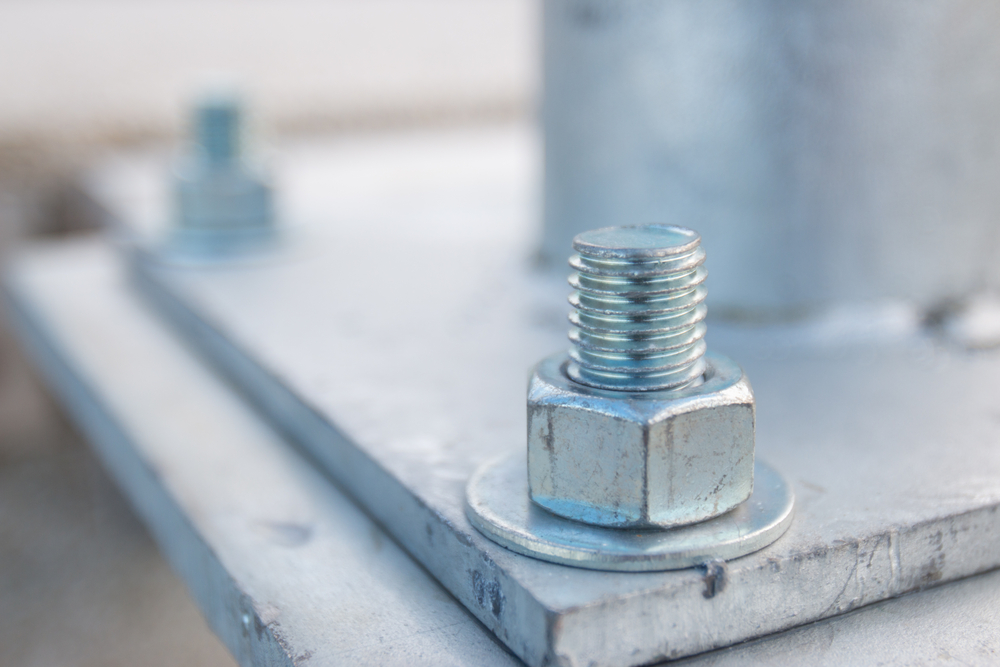

Anchoring is a critical fastening method used to enhance the safety and durability of structures. Anchoring systems, commonly used in construction and engineering projects, are designed to securely fasten structural elements. These systems can be applied to a wide range of structures, from reinforced concrete to steel structures. Anchoring is achieved using steel bars, bolts, or special fasteners installed in the foundation or walls of structures. These connections enable structures to resist external forces, thereby enhancing the structure’s stability against earthquakes, wind, or other external factors. Anchoring systems play a critical role not only in building safety but also in bridges, tunnels, and other infrastructure projects, contributing to the construction of long-lasting and durable structures.
What Is an Anchor?
Anchoring is a fastening method used to securely fix and secure structural elements. Frequently used in the fields of civil engineering and architecture, this technique is applied to enhance the durability and stability of structures. Anchoring systems can be used in materials such as concrete, steel, and wood, and typically consist of components such as steel rods, screws, anchor plates, and special chemical adhesives or mortars.
These systems ensure that various structural elements—from a building’s foundation to its walls—can withstand external forces. They help structures remain stable in the face of natural disasters such as earthquakes and wind, as well as other external factors. They also play a critical role in large-scale infrastructure projects such as bridges, tunnels, and dams. Anchoring systems extend the lifespan of structures, enabling the construction of safe and durable buildings. Anchors, which are of vital importance for structural integrity and safety, are an indispensable part of modern construction technologies.
What Is an Anchor Used For?
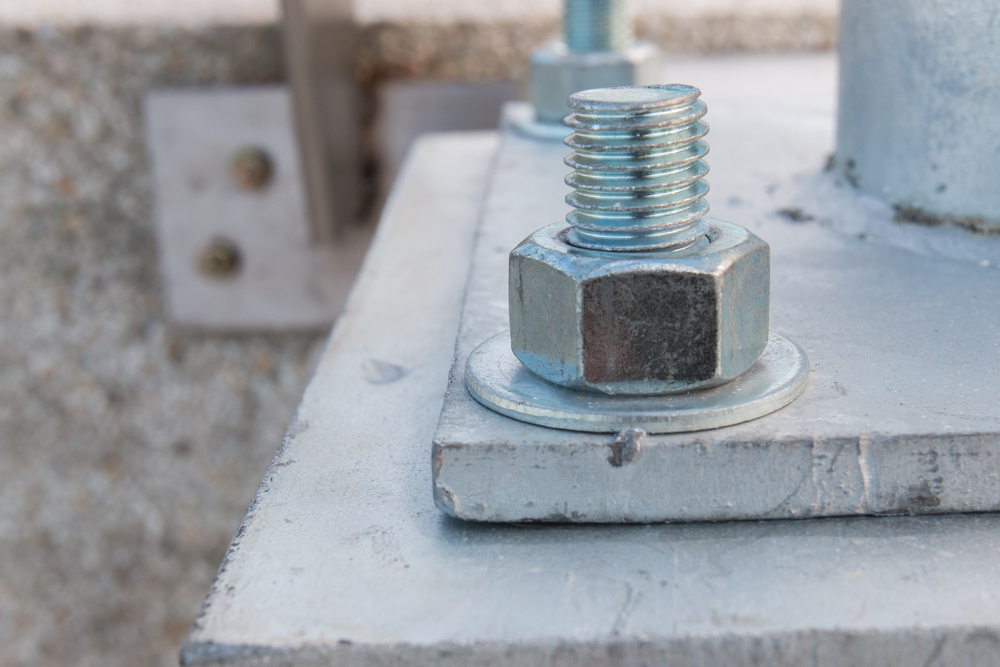
Anchoring enhances the durability and stability of structures by ensuring that structural elements are securely fastened and secured. This method enables various structures—from building foundations to walls, and from bridges to tunnels—to resist external forces, particularly natural disasters such as earthquakes and high winds. Anchoring systems help distribute loads evenly across different parts of a structure, thereby preserving structural integrity and reducing the risk of damage. It is also used to safely install and secure heavy machinery, equipment, and other industrial components. As a result, anchoring applications play a critical role in the construction industry by ensuring that structures are long-lasting, safe, and durable.
How Is Anchoring Performed?
Anchoring is a process carried out with great care to increase the structural integrity of buildings and securely fasten their components. Here is a detailed explanation of the step-by-step process for anchoring:
Planning and Design
The first step in the anchoring process is to design an anchoring system that meets the project’s requirements. At this stage, structural engineers and designers determine the most suitable type of anchor by considering load-bearing capacity, building materials, and environmental conditions. During the planning process, details such as the locations where the anchor bolts will be placed, as well as the diameter and depth of the holes, are carefully calculated.
Drilling
Holes of the appropriate diameter and depth are drilled at designated points on the surface where the anchor rods will be installed. This process is carried out using specialized drills and drilling machines appropriate for concrete, steel, or wood surfaces. Drilling the holes neatly and accurately is critical to the anchor’s strength.
Cleaning
After drilling, the inside of the holes is cleaned. At this stage, dust, dirt, and other debris remaining in the holes are removed using compressed air or brushes. Clean holes ensure that the anchor adhesive or mortar adheres better to the surface and increase the anchor’s durability.
Installation of the Anchor Rod
Anchor rods are inserted into the cleaned holes. These rods are typically made of steel and have high strength. The rods are carefully positioned and aligned so that they fit snugly into the holes.
Application of Chemical Adhesive or Mortar
Chemical adhesive or mortar is applied to the holes to secure the anchor rods. Chemical adhesives offer fast curing and high tensile strength. Mortar, on the other hand, is a more traditional method that creates a secure bond by filling the space around the rods. The adhesive or mortar is carefully injected into the holes after the rods are in place, completely covering the rod on all sides.
Curing and Setting
After applying the chemical adhesive or mortar, a specific period of time is allowed for the anchoring system to cure. This period varies depending on the type of material used and environmental conditions. Once the curing period is complete, the anchor rod is fully secured and reaches its load-bearing capacity.
Assembly and Inspection
After the anchor rods are secured, the other structural components are installed. At this stage, inspections are conducted to verify that the anchors are properly positioned and provide a secure connection. If any issues are identified, the necessary corrections are made.
Maintenance and Inspection
Once the anchoring installation is complete, the system’s durability and safety are continuously monitored through regular maintenance and inspections. This is particularly important for large and critical structures. Periodic inspections ensure that any potential damage to the anchoring system is detected early and repaired.
Anchoring ensures that structures are safe and durable through proper planning, careful installation, and regular maintenance. This process plays a critical role in civil engineering projects and helps maintain structural integrity.