

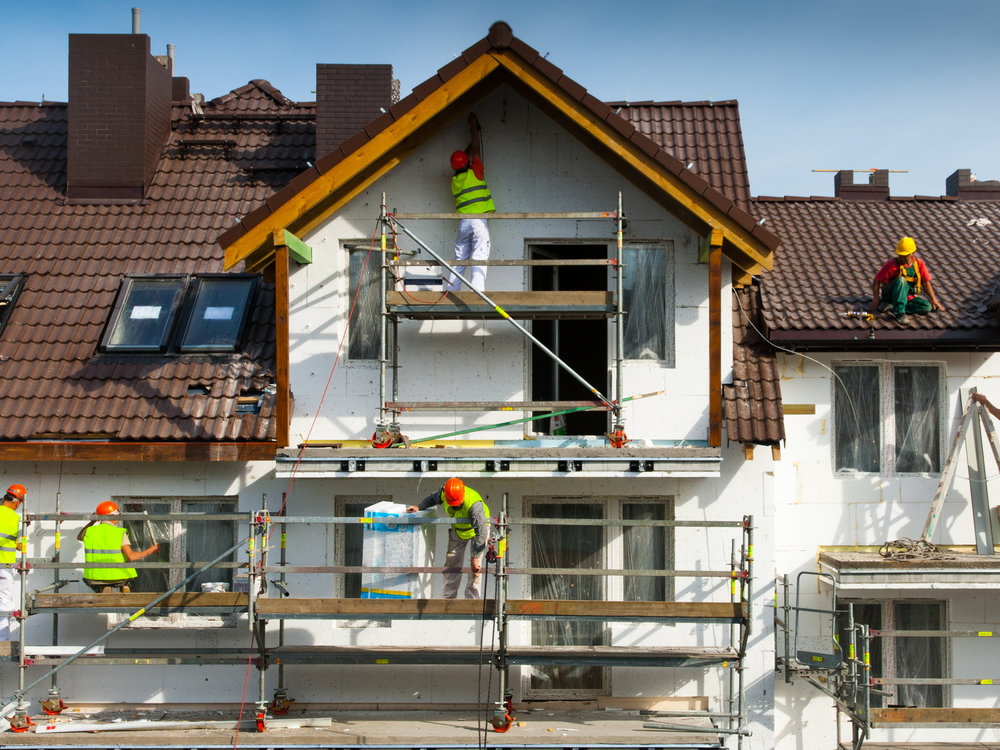
External insulation is defined as a method of insulation applied to the exterior facades of buildings. By applying insulation to the exterior walls of buildings, it prevents heat loss and reduces the building’s energy consumption by improving energy efficiency. It also protects the building’s surface from external factors, making the structure resistant to moisture, water, and air infiltration. As an important component of modern construction technology, exterior insulation is a widely used insulation solution today. So, what is exterior insulation? What are the types of exterior insulation? Let’s take a closer look at the details.
What Is Exterior Insulation?
Insulation is a process designed to protect a building from external factors, save energy, and enhance comfort levels. It typically involves covering a building’s exterior walls, roofs, and floors to insulate the structure against external factors such as heat, sound, moisture, and fire. Insulation offers numerous benefits. First, it saves energy. A well-designed insulation system reduces heat transfer, preventing heat loss and lowering heating and cooling energy costs. As a result, the building’s energy efficiency improves, and energy bills decrease.
In addition, exterior insulation improves indoor comfort. Thermal insulation ensures a more balanced temperature inside the building and reduces feelings of cold or heat. Exterior insulation also provides sound insulation, blocking out external noise and creating a quieter environment indoors.
Insulation also protects the building from external factors. Covering the exterior walls and roof with a protective layer shields the building from weather conditions such as moisture, rain, wind, and sunlight, thereby extending its lifespan. It also provides fire insulation, reducing the risk of fire.
While insulation methods vary, the most common ones include exterior wall insulation (using materials such as EPS, XPS, rock wool, and glass wool), roof insulation (typically using rock wool or polyurethane foam), and floor insulation (typically using foam or polyethylene).
However, since the insulation process requires the use of the right materials and methods, it is a task that demands expertise. It is extremely important to seek assistance from a professional company. The insulation installation must be carried out in accordance with local building regulations, codes, and permits.
In conclusion, exterior insulation is a method that improves a building’s energy efficiency and enhances indoor comfort. When professionally installed using appropriate materials and methods, it can enhance the building’s long-term performance and contribute to a sustainable structure.
What Are the Different Types of Exterior Insulation?
EPS (Expanded Polystyrene) Insulation: EPS is a lightweight and cost-effective insulation material, typically white in color. It offers high thermal insulation performance and is frequently used in exterior wall insulation applications. EPS panels are installed by adhering them to building walls or securing them with anchors, and the surface is finished with plaster or cladding materials.
XPS (Extruded Polystyrene) Insulation: XPS is a denser and harder polystyrene material and has a higher density and thermal insulation value than EPS. XPS panels are installed by adhering them to walls, similar to EPS insulation, or by securing them with anchors.
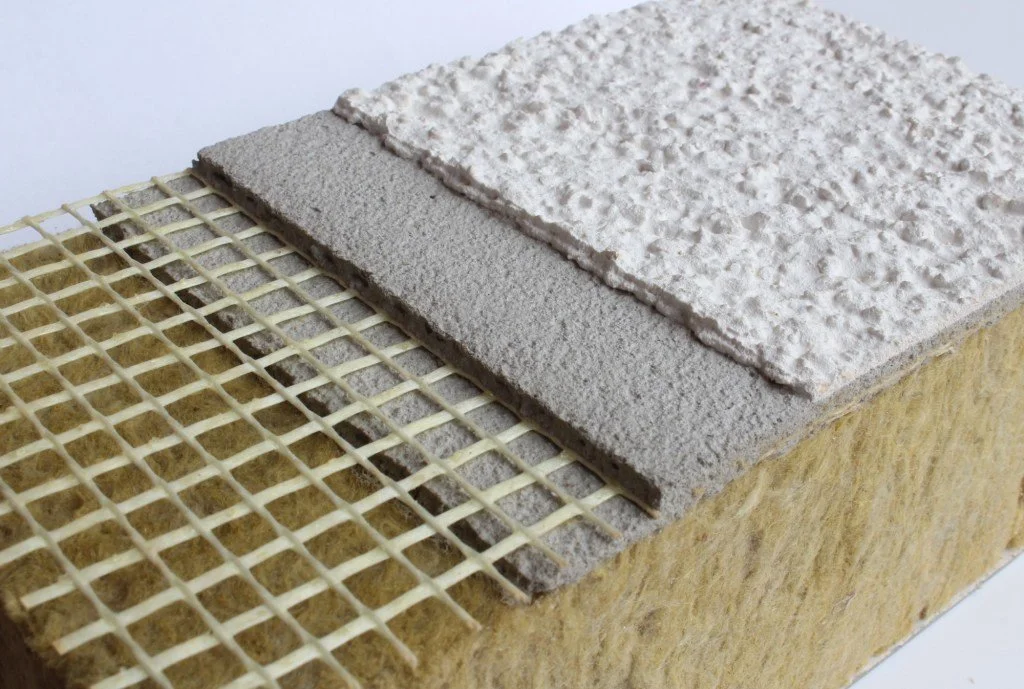
Stone Wool Insulation: Stone wool is an insulation material made by melting natural rocks or basalt and spinning them into fibers. It provides thermal, acoustic, and fire insulation while offering water resistance. Stone wool panels are installed by adhering them to walls—similar to EPS and XPS—or by securing them with anchors.
Glass Wool Insulation: Glass wool is an insulation material made by melting glass fibers into a fibrous form. It provides thermal, acoustic, and fire insulation and has high moisture resistance. Glass wool panels are applied by adhering them to walls, similar to rock wool insulation.
Polyurethane Foam Insulation: Polyurethane foam is an insulation material applied in liquid form that expands on its own on the wall surface to form a solid foam. Polyurethane foam offers high thermal insulation performance and is easy to use in tight spaces. It can be finished with plaster or other coating materials.
What Are the Benefits of Exterior Insulation?
External insulation is a method of insulation applied to the exterior surface of a building and offers many benefits. Here are some of the benefits of external insulation:
Energy Efficiency: Exterior insulation improves energy efficiency by insulating the building’s exterior. It helps save energy by reducing the building’s heating and cooling costs. By reducing heat transfer, exterior insulation helps keep the interior warm or cool for longer periods.
High Level of Comfort: Exterior insulation reduces the impact of outdoor weather conditions on the interior. By insulating the building’s exterior, the indoor temperature is maintained more consistently, making the interior more comfortable. Exterior insulation reduces the uncomfortable draft caused by cold walls and window surfaces, ensuring a more comfortable indoor environment.
Sound Insulation: Exterior insulation blocks external noise from entering the interior by insulating the building’s exterior walls. It enhances the building’s quietness and creates a quieter environment inside. Especially in areas with heavy traffic or noisy surroundings, exterior insulation improves sound insulation and enhances the quality of life.
Extending the Building’s Lifespan: Exterior insulation protects the building’s facade, preventing weather conditions such as moisture, rain, and snow from damaging the structure. By shielding the building’s exterior from various elements, it can extend the building’s lifespan and reduce maintenance costs.
Aesthetic Appeal: Exterior insulation can enhance a building’s aesthetic appeal by renovating its facade. With a variety of color and pattern options, the building’s exterior can be updated to achieve a modern look. Additionally, exterior insulation protects the building’s exterior surface from various types of damage and imperfections, ensuring it maintains a smoother and more uniform appearance.
Environmentally Friendly: Exterior insulation is an environmentally friendly solution that improves a building’s energy efficiency. By saving energy, it can reduce greenhouse gas emissions and minimize environmental impacts. Additionally, exterior insulation projects typically use recyclable materials.
Exterior insulation plays a crucial role in urban renewal projects. Urban renewal and exterior insulation are key initiatives for modernizing cities and promoting energy conservation. As existing structures are renovated within the scope of urban renewal projects, earthquake risk is reduced. Insulation is a method frequently preferred in urban renewal projects. Within the scope of these projects, modern and safe buildings are constructed in place of old and dilapidated structures. Through the insulation process, energy savings are achieved thanks to the insulation materials applied to the exterior facades of buildings. Urban renewal and exterior insulation enable cities to become more livable and foster a more environmentally conscious approach. The proper planning and implementation of these initiatives are of great importance for the future of cities.
Exterior insulation is a critical application for buildings in terms of thermal insulation, soundproofing, and fire safety. By making your home warmer, quieter, and safer, exterior insulation also helps you save on energy costs, which benefits your budget. With exterior insulation, you can enjoy a more comfortable living space.