
A building’s exterior facade is not merely an aesthetic detail that catches the eye at first glance; it is also one of the most important factors directly affecting the structure’s durability, energy efficiency, and comfort. This is where facade cladding systems play a major role, both visually and functionally. A properly selected and professionally installed facade cladding system protects the building from external factors while also giving it a modern and aesthetically pleasing appearance. In this article, Gököz Construction explores what facade cladding is used for, the benefits it offers, and its impact on energy efficiency from every angle.
What Is Façade Cladding?
Facade cladding is a process used to protect a building’s exterior surface from environmental factors, enhance its aesthetic appeal, and extend the structure’s lifespan. This application not only improves the building’s appearance but also protects it from external conditions such as rain, wind, sunlight, humidity, and temperature fluctuations.
Facade cladding systems can generally be installed using various materials, such as natural stone, composite panels, aluminum, wood, ceramic, glass, or insulation panels. The choice of material depends on the building’s intended use, location, climatic conditions, and design preferences.
These systems improve not only the building’s exterior appearance but also its thermal and acoustic insulation performance. They offer significant advantages, particularly in terms of energy efficiency; they reduce heat loss in the winter and prevent the interior from overheating in the summer.
In short, facade cladding is like a building’s “outer armor.” It protects, enhances the building’s appearance, and offers an economical solution by providing long-term energy savings.
At Gököz Construction, we provide facade cladding solutions that combine aesthetics and functionality in our projects, giving your buildings both a modern look and high durability.
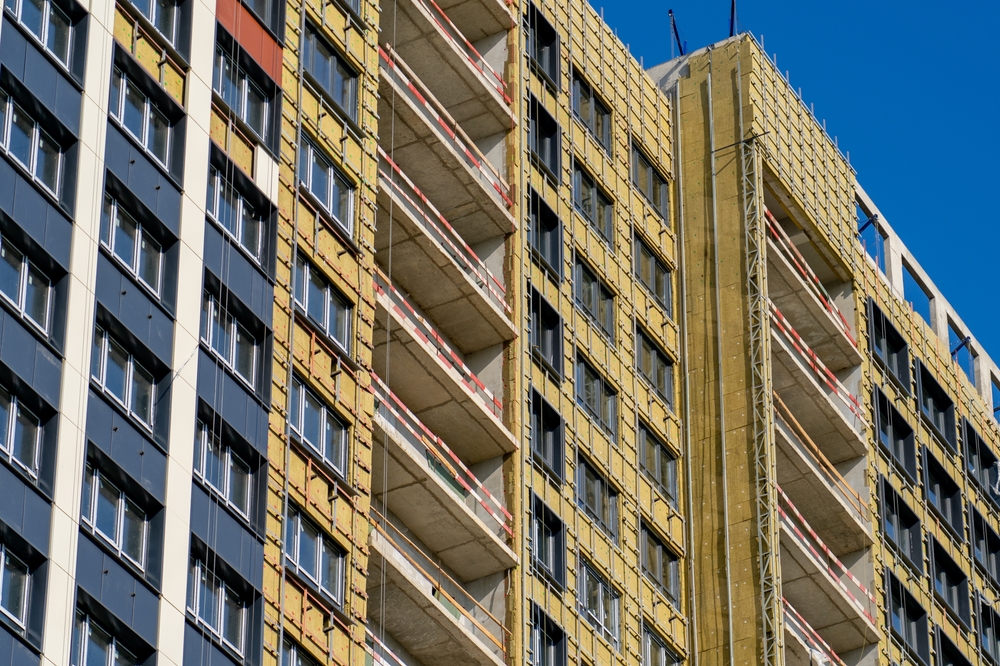
What Are the Different Types of Facade Cladding?
Facade cladding systems are available in a variety of materials and installation methods to meet different aesthetic and technical needs. Each type of cladding offers distinct advantages depending on the building’s location, climate conditions, intended use, and design requirements. Here are the most common types of facade cladding:
Natural Stone Cladding
Natural stone facade cladding stands out for its durability and aesthetic appeal. These installations, made with stones such as granite, marble, and travertine, are frequently chosen for both classic and modern architectural projects. They are long-lasting, require no maintenance, and give the building a prestigious appearance.
Composite Panel Cladding
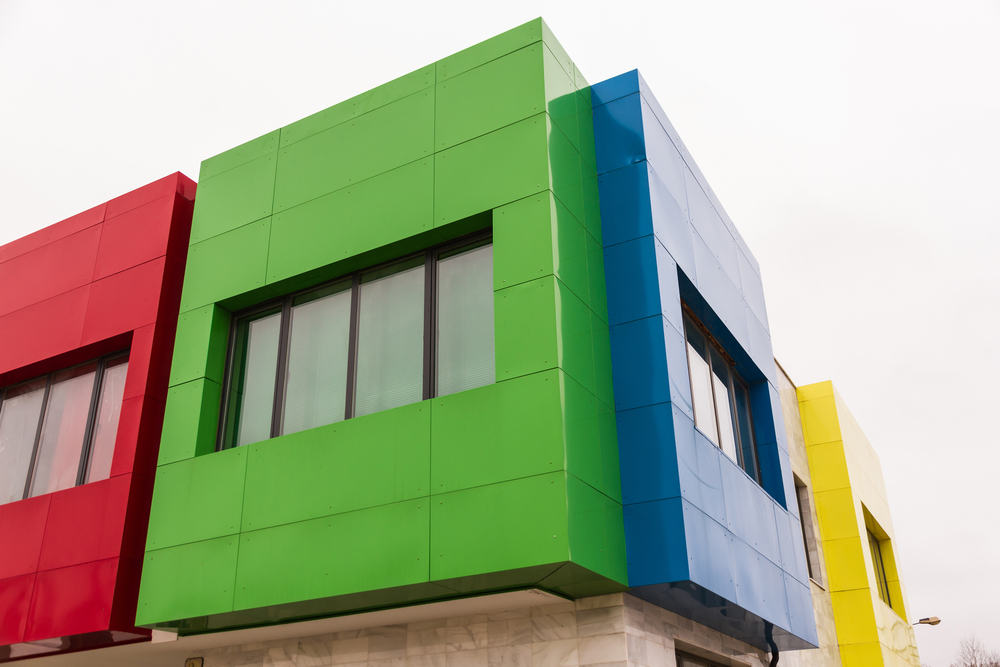
Aluminum composite panels are a type of facade cladding frequently used in modern buildings due to their lightweight construction and ease of installation. With their wide range of color options, glossy surfaces, and clean lines, they give buildings a contemporary aesthetic. They are also highly resistant to water and outdoor weather conditions.
Wood Cladding
Wood cladding is an ideal choice for those seeking a natural look and a warm atmosphere. It is particularly popular for villas and buildings designed to blend with nature. When properly maintained, it retains its durability for many years and gives the building a natural aesthetic that harmonizes with its surroundings.
Ceramic or Porcelain Cladding
Ceramic facade cladding is an aesthetic option frequently chosen for modern buildings. It is resistant to water, moisture, and UV rays. With a wide range of color and texture options, it offers freedom in architectural design.
Glass Facade Cladding (Curtain Wall Systems)
Glass curtain wall systems, used primarily in office and commercial buildings, provide a sense of transparency and openness. While giving the building a modern look, they allow for maximum use of natural light. Energy efficiency can also be improved with special types of glass that offer high performance in terms of thermal and acoustic insulation.
Exterior Wall Insulation (Thermally Insulated Facade Cladding)
Exterior wall insulation is one of the most common systems that provides both exterior wall protection and thermal insulation. In addition to saving energy, it also prevents moisture and mold from forming on walls. It is particularly favored as a long-term investment in residential projects.
Each type of facade cladding lends the building a distinct character and function. At Gököz Construction, we implement facade systems in our projects that combine aesthetics, durability, and energy efficiency in a way that best suits the building’s needs.
What Are the Advantages of Facade Cladding?
Facade cladding is one of the most important elements that enhance both the appearance and durability of a building. Properly selected and professionally installed facade cladding protects the building from external factors while creating a long-lasting and aesthetically pleasing structure. One of the most significant advantages of these systems is that they provide protection against outdoor weather conditions. Environmental factors such as rain, snow, wind, and sunlight can damage a building’s surface over time. Facade cladding minimizes these effects, protects the building’s exterior, and reduces maintenance costs.
Another important advantage is thermal and energy efficiency. Facade cladding helps maintain the building’s thermal balance, ensuring a cool interior in the summer and a warm one in the winter. This reduces energy consumption and leads to significant savings on heating and cooling costs. Exterior insulation systems, in particular, are among the most effective solutions for energy efficiency.
In addition, it makes a significant aesthetic difference. Facade cladding gives buildings a modern, unique, and eye-catching appearance. With a variety of material, color, and texture options, it is possible to give every structure its own architectural identity. This, in turn, increases the value of both residential and commercial buildings.
Another important aspect of facade cladding is its contribution to sound insulation and indoor comfort. Especially in city centers or areas with heavy traffic, high-quality facade cladding significantly reduces external noise, creating a quiet and comfortable atmosphere in living spaces.
Finally, ease of maintenance is another significant advantage. Compared to traditional plaster and paint systems, facade cladding has a much longer lifespan. It is resistant to problems such as dirt, moisture, and fading, and retains its original appearance for many years.
At Gököz Construction, we combine aesthetic and engineering solutions in every project to maximize the benefits of facade cladding. Our goal is not only to make your buildings look beautiful, but also to ensure they stand the test of time.