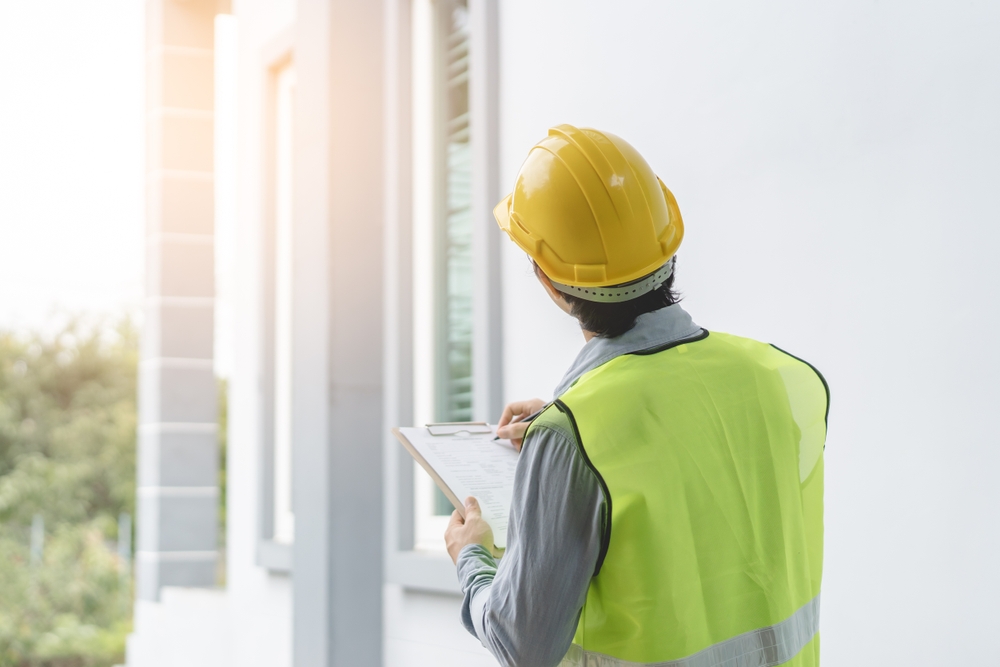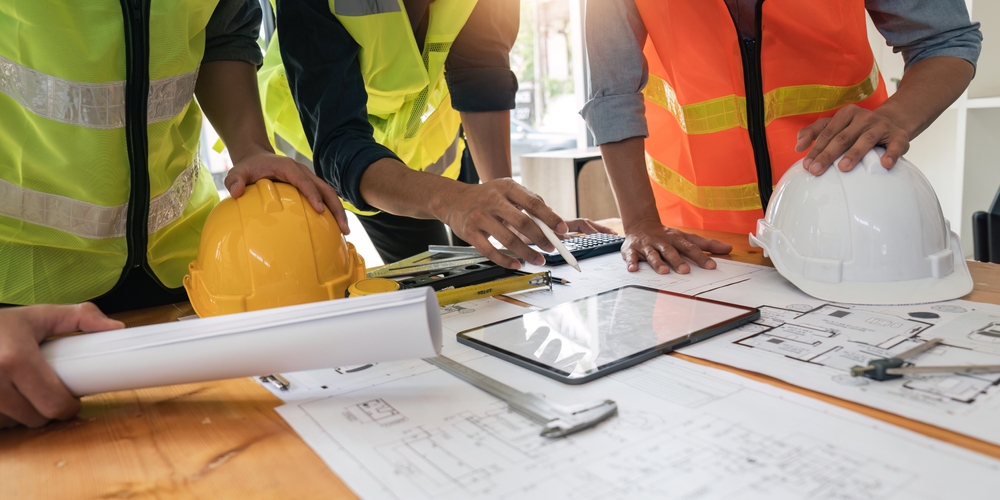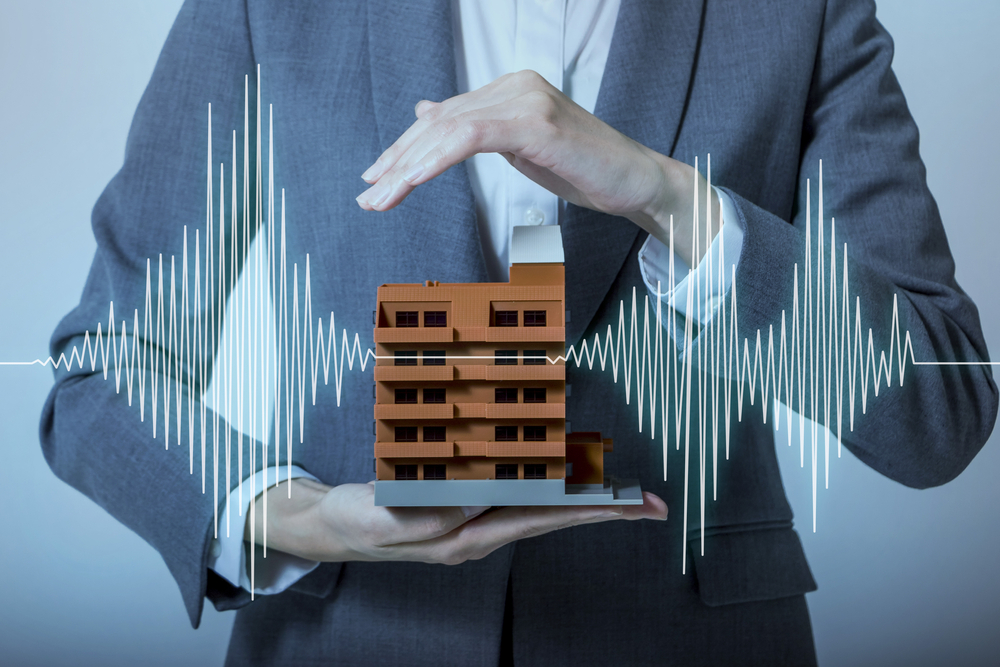
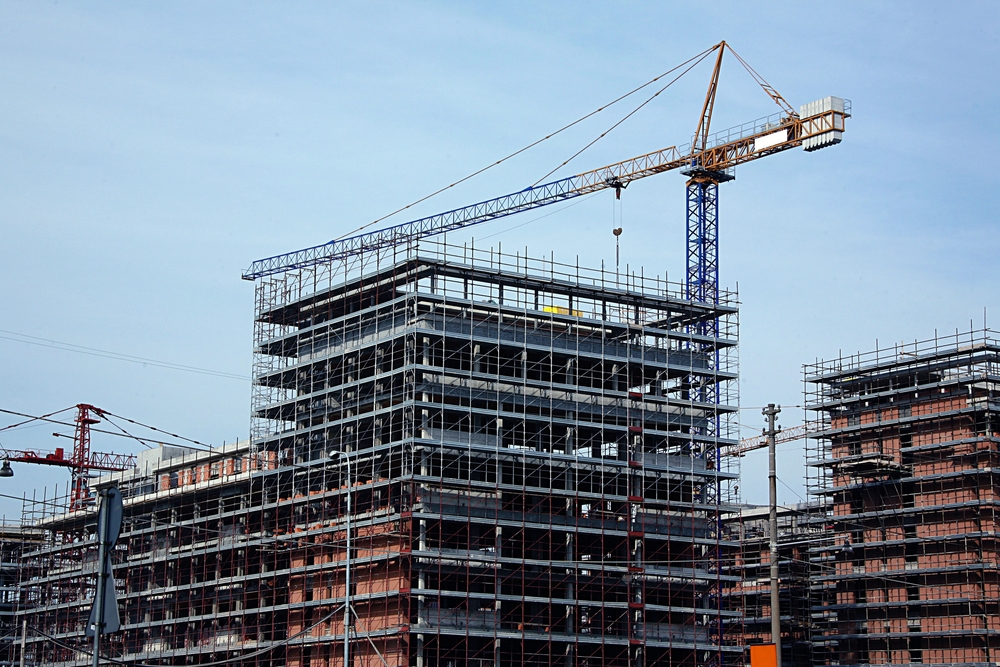

Construction has been one of the most important factors shaping living spaces throughout human history. Since ancient times, people have built various structures to meet their need for shelter; over time, as technology has advanced, these structures have become more aesthetically pleasing, more functional, and safer. Today, construction is not merely about erecting a building; it means ensuring long-term safety, meeting the needs of modern life, and upholding aesthetic values. At this point, the most critical concept is quality. Modern structures built on solid foundations construct not only the present but also the future.
The Strength of the Foundation: The First Step Toward Quality
The most important element of a building is, without a doubt, its foundation. No matter how impressive, modern, or aesthetically pleasing it may be, a structure with a weak foundation cannot stand the test of time. The fact that we live in a country located in an earthquake zone makes this reality even more critical. The first step in quality construction is the proper analysis of the soil and the implementation of a solid foundation system. Foundations that are not supported by soil studies, engineering calculations, and modern construction techniques can lead to significant risks in the future. Therefore, the essence of quality begins with the foundation—the unseen yet most critical part of the structure.
Material Quality and Durability
The quality of materials used in construction directly affects the durability of a structure. Every component—such as concrete, rebar, brick, insulation materials, glass, or wood—must comply with international standards. In particular, the quality of concrete and rebar is a key determinant of earthquake resistance. While cheap and non-standard materials may reduce costs in the short term, they lead to both economic losses and safety issues in the long run. Choosing high-quality materials not only ensures safety but also reduces maintenance and repair costs, improves energy efficiency, and enhances quality of life.
Quality in Craftsmanship: The Importance of Details
High-quality materials alone are not enough. If the workmanship is flawed, even the most durable materials will not serve their purpose. Quality workmanship is evident at every stage of construction. From the foundation to bricklaying, and from electrical wiring to roof insulation, every detail must be done correctly. A seemingly minor mistake can lead to major problems down the road. For example, improperly installed plumbing can lead to constant malfunctions and moisture problems. Similarly, inadequate insulation causes energy loss, resulting in negative consequences both economically and environmentally. Quality workmanship also enhances the building’s aesthetics. A properly plastered wall, carefully laid hardwood flooring, or meticulously crafted kitchen cabinets all add value to a living space.
The Contribution of Modern Technologies to Construction
Today, the construction industry relies heavily on technology. Building Information Modeling (BIM), smart building systems, 3D-printed construction, eco-friendly materials, and solutions that enhance energy efficiency have become integral parts of modern construction. These technologies not only accelerate the construction process but also raise quality standards. For example, thanks to BIM, potential errors can be anticipated and corrected during the design phase, thereby preventing time and cost losses during construction. Buildings equipped with smart systems, on the other hand, offer users a more comfortable, safe, and sustainable living environment.
A Balance Between Aesthetics and Functionality
Quality is not limited to durability or safety alone; aesthetics and functionality are also indispensable characteristics of a high-quality building. Modern buildings should offer solutions tailored to users’ lifestyles while also being visually appealing. Aesthetics is not limited to the exterior facade; interior layout, use of light, color harmony, and ergonomic design are also components of aesthetic integrity. Functionality, on the other hand, is achieved through practical solutions that simplify daily life. A well-planned kitchen, ample storage space, strategically placed windows, and energy-efficient systems directly enhance quality of life.
Safety, Comfort, and Durability
Quality in construction should ensure safety while also providing comfort. Sound insulation creates a sturdy home and a peaceful living space. Thermal insulation in a high-quality building not only saves energy but also makes the structure more resilient to seasonal conditions. Durable materials and proper construction techniques ensure that the building can be used trouble-free for years to come. In this regard, quality stands out as a vision that meets not only today’s needs but also future expectations.
The saying “Cheap things end up costing more” is one of the truths that is felt most acutely in the construction industry. Modern structures built on solid foundations are the result of prioritizing quality at every stage. Ensuring quality at every step—from the foundation to the materials, from craftsmanship to technology, and from aesthetics to functionality—is the key to safe and peaceful living spaces. While poorly constructed buildings may seem attractive in the short term, they lead to significant financial and emotional losses in the long run. In contrast, a high-quality construction retains its value for generations and guarantees safety and comfort. For this reason, quality in construction is not a choice but an absolute necessity.