
A solid foundation is the most critical structural element that safely transfers a building’s entire load to the ground and ensures the structure remains stable. A foundation that is properly planned and constructed with high-quality materials protects the building against external factors such as earthquakes, wind, and ground movements. The stronger the foundation, the more durable and safe the building will be. For this reason, the foundation phase is the most important step in the construction process for creating a durable structure.
What Is a Solid Foundation?
A solid foundation is the most critical load-bearing component of a structure and serves as the structural element that safely transfers the building’s entire load to the ground. The foundation, which can be thought of as the backbone of a building, not only supports the building’s weight but also ensures the structure remains stable against external forces such as earthquakes, wind, floods, or ground movements. For this reason, the foundation is the most important structural component that directly affects a building’s lifespan and safety.
For a foundation to be sturdy, a proper soil investigation must first be conducted. Many factors—such as the soil’s bearing capacity, the height of the structure, the types of materials to be used, and the region’s earthquake risk—play a decisive role in foundation design. Foundations that are not supported by engineering calculations or are constructed with the wrong materials can lead to settlement, cracking, and structural deterioration over time. This seriously threatens both the safety of the building and its service life.
Another important feature of a solid foundation is its ability to maintain its durability for many years without requiring maintenance. High-quality concrete, proper reinforcement placement, correct waterproofing, and construction techniques that comply with standards all extend the foundation’s lifespan. It is important to remember that even the smallest oversight in the foundation can lead to much larger and more costly problems in the years to come.
In short, a solid foundation ensures not only safety today but also the building’s durability for decades to come. For this reason, the saying “make sure the foundation is solid” is not merely a recommendation in the construction industry—it is an absolute must.
What Should Be Considered When Laying a Solid Foundation?
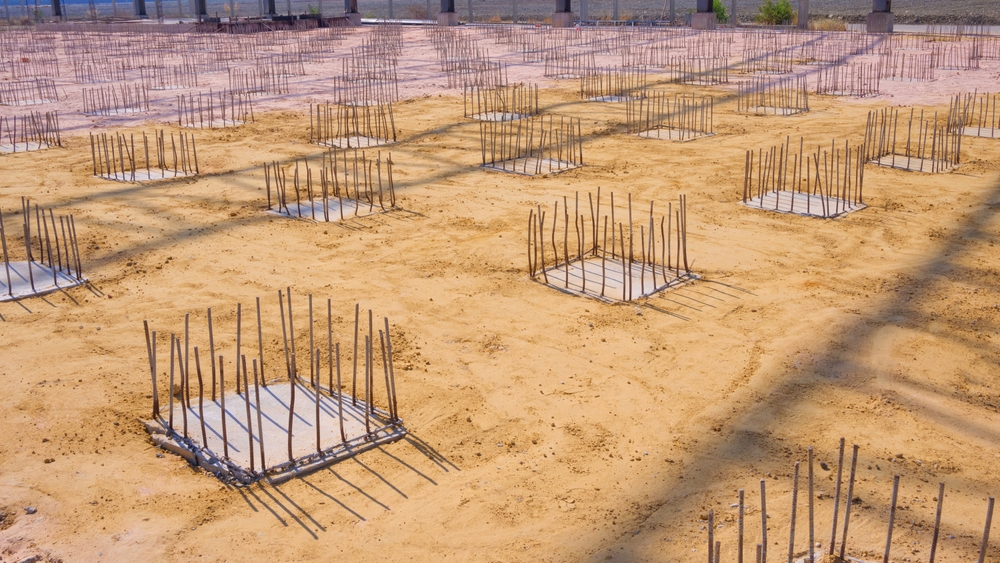
Building a solid foundation isn’t just about using high-quality materials; it requires proper planning, engineering, and meticulous attention to detail at every stage of the process. The first step is to conduct a comprehensive soil survey. Data such as soil structure, bearing capacity, and groundwater level are critical for correctly determining the type of foundation. An incorrect soil analysis will negatively impact the foundation’s lifespan and durability, even if built with the highest-quality materials.
The foundation design must be planned in accordance with engineering calculations. Factors such as the building’s height, number of stories, characteristics of the structural system, and the building’s intended use determine the foundation dimensions and reinforcement layout. Even the slightest error here can jeopardize the building’s stability and safety.
The quality of materials is the backbone of the project. The consistency of the concrete, the quality of the steel used, and mixing them in the proper proportions directly affect the foundation’s durability. Waterproofing should also not be overlooked; water seeping into the foundation can, over time, lead to reinforcement corrosion, cracks, and a reduction in load-bearing capacity.
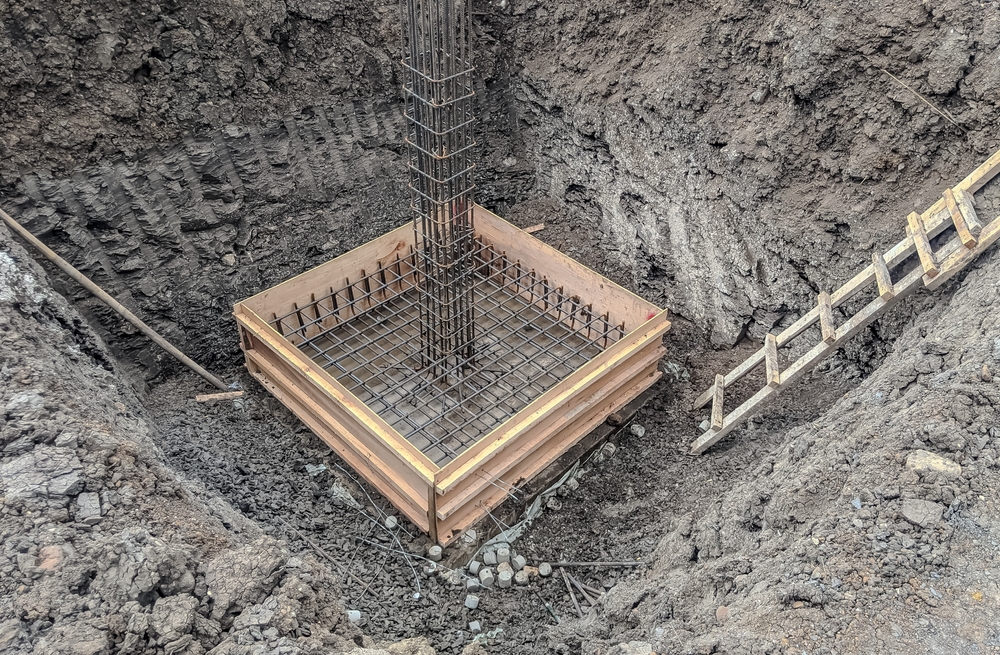
During the construction process, the quality of workmanship is just as important as the materials themselves. Proper placement of reinforcing bars, secure installation of formwork systems, and the elimination of air pockets through vibration during concrete placement ensure the integrity of the foundation. In addition, waste management and organization on the construction site contribute to the smooth progress of the project.
In short, laying a solid foundation is a multifaceted process; when accurate analysis, proper design, high-quality materials, and flawless execution come together, the structure will stand safely for decades. The care taken in laying the foundation is, in fact, the most valuable investment in the building’s future.
What Should Be Considered in Building Construction?
Building construction is not merely about erecting walls and putting a roof on; it is a process that must be planned, calculated, and executed with meticulous care from start to finish. It all begins with proper project planning. Architectural and engineering designs are prepared by taking into account the building’s intended use, number of stories, aesthetic expectations, and legal requirements. Every drawing created at this stage determines every detail that will be implemented in the subsequent stages.
A soil investigation must be conducted before construction begins. The soil’s bearing capacity, the groundwater level, and its geological characteristics directly affect both the type of foundation and the materials to be used. An incorrectly analyzed soil can shorten the lifespan of even the sturdiest-looking building.
The quality of materials is the backbone of construction. Details such as the concrete’s durability class, the steel’s certification, and the compliance of insulation materials with standards determine the structure’s safety and longevity. Choosing cheap or low-quality materials may offer a cost advantage in the short term, but it leads to significant maintenance and repair costs in the long term.
Compliance with building codes and safety standards is also of vital importance in building construction. Structural system designs that comply with earthquake codes, fire safety measures, emergency exit plans, and accommodations for people with disabilities enhance the building’s safety and comfort of use.
In addition to all of this, the quality of workmanship is also of great importance. Staying true to the project, working with experienced craftsmen, conducting inspections at every stage, and immediately correcting workmanship errors directly affect the quality of the construction. Furthermore, the proper installation of elements such as thermal, acoustic, and water insulation are among the most important details that determine the building’s quality of life.
In short, the key considerations in building construction are proper planning, thorough soil analysis, high-quality materials, compliance with regulations, and meticulous execution. When these elements come together, the result is safe, aesthetically pleasing, and durable structures.