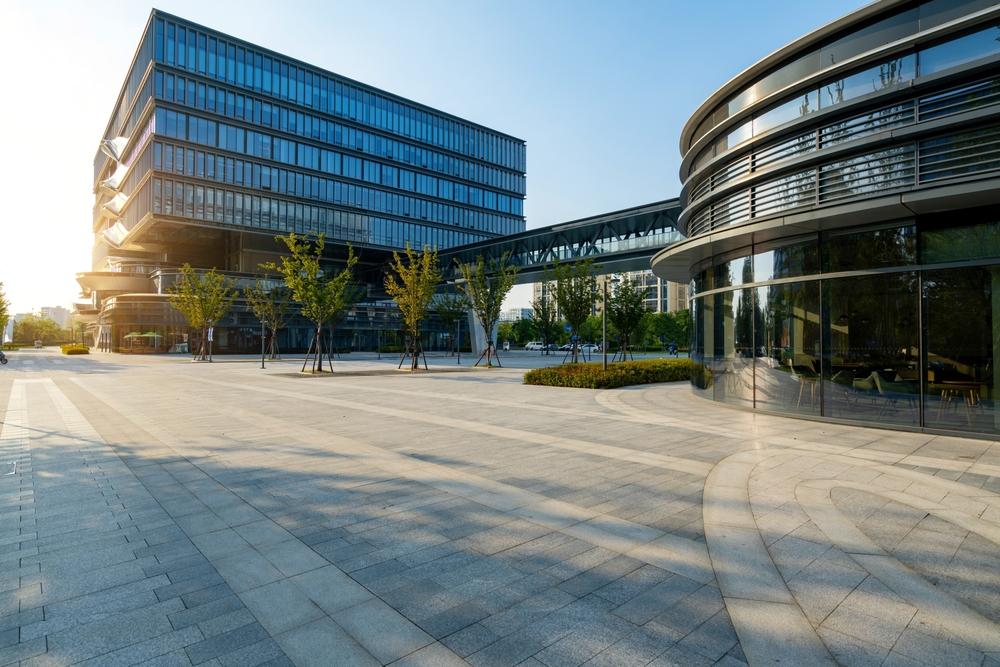

Modern architecture does more than just create visually appealing designs; it also offers functional and sustainable solutions that make life easier. Within this approach, every detail is carefully considered to enhance both aesthetic value and comfort of use. Large glass surfaces that make ample use of natural light, spacious living areas, smart home systems, energy-efficient materials, and traditional textures blended with modern lines are among the essential elements of modern architecture. By taking into account users’ daily needs, lifestyle habits, and environmental factors during the design process, structures that are both stylish and functional are created. In short, modern architecture is the key to building living spaces that meet not only today’s standards but also those of the future.
What Is Modern Architecture?
Modern architecture is a design philosophy that emerged in the early 20th century and has continued to evolve to the present day; it prioritizes functionality, eschews unnecessary ornamentation, and embraces a simple yet effective approach. Its primary goal is to ensure that buildings meet high standards not only in terms of aesthetics but also in terms of ease of use and functionality. In modern architecture, form follows function; that is, a building’s design is shaped primarily by its intended purpose. This philosophy is reflected in spacious and airy areas, the abundant use of natural light, open-plan layouts, straight lines, and minimalist details.
The choice of materials is also quite important in modern architecture. Industrial materials such as steel, glass, and concrete are balanced with natural wood or stone textures to create both durability and a warm atmosphere. Neutral tones are generally preferred in the color palette, but in some areas, touches of vibrant colors add character to the space. With advances in technology, modern architecture has been further enhanced by smart home systems, energy-efficient solutions, and sustainable materials.
In short, modern architecture aims to break away from the heavy and ornate architectural styles of the past and create structures that are practical, aesthetically pleasing, and in harmony with the environment—structures suited to today’s lifestyle. In this sense, it is not merely a design movement but a philosophy that reflects a way of life.
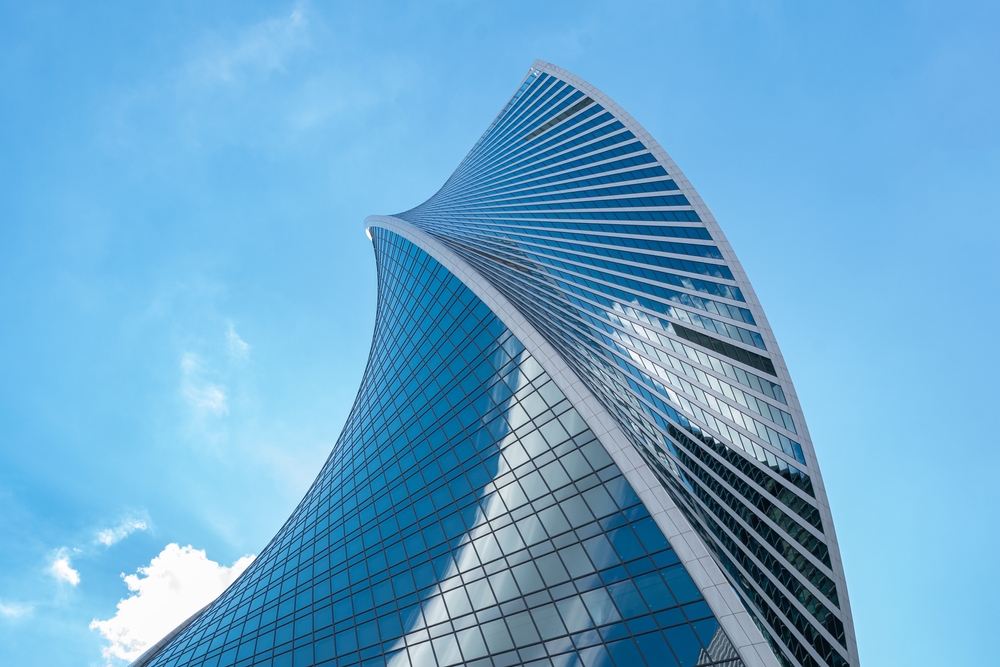
What Are Modern Architectural Techniques?
Modern architectural techniques encompass design and construction methods that aim to combine both aesthetics and functionality. The most distinctive feature of this approach is that spaces are designed to be airy and practical. Open-plan designs allow living spaces to feel more spacious and fluid by removing unnecessary walls. Maximizing the use of natural light is one of the hallmarks of modern architecture; for this reason, large glass surfaces, wide windows, and glass doors are frequently preferred.
Another important technique is to prioritize simplicity in the selection of materials and details while maintaining a minimalist approach. In modern architecture, unnecessary ornamentation is avoided; instead, the natural texture of the materials is highlighted. Industrial materials such as steel, glass, and concrete are blended with natural wood and stone to achieve a balance between strength and warmth.
Technology integration is also an important part of modern architecture. Smart home systems, automated lighting, and climate control solutions enhance living comfort while increasing energy efficiency. The use of insulation materials and energy-efficient window systems offers an environmentally friendly approach and reduces costs in the long term.
In addition, modern architectural techniques aim to integrate with nature. The placement of buildings is planned to take advantage of natural elements such as the landscape, sunlight, and wind. Gardens, terraces, and balconies blur the boundaries between indoor and outdoor spaces, offering a more natural living experience.
In short, modern architectural techniques are brought to life through the combination of open floor plans, the use of natural light, minimalist material choices, the integration of technology, and design principles that harmonize with nature. This results in structures that are both aesthetically pleasing and durable and functional.
What Is the Importance of Modern Architecture?
The importance of modern architecture lies not only in creating structures that are aesthetically pleasing, but also in offering functional and sustainable solutions that enhance quality of life. In today’s world, people are looking for more than just a place to live; they seek comfortable and practical spaces that reflect their lifestyles. Modern architecture addresses this very need. Open-plan designs, abundant use of natural light, spacious living areas, and buildings equipped with technological systems not only simplify daily life but also preserve the value of these spaces over the long term.
In addition, modern architecture contributes to the efficient use of resources. Insulation systems that increase energy savings, renewable energy solutions, and eco-friendly materials both reduce the environmental impact and offer economic benefits to users. In this way, modern architecture becomes an approach that takes into account not only the needs of today but also those of future generations.
Another important point is the flexibility and adaptability of modern architecture. Designs can be easily adapted to users’ changing needs; for example, an office space can be quickly converted into a residential space, or a living area can be rearranged to accommodate a growing family. This flexibility makes modern architecture attractive to both investors and users.
In short, the importance of modern architecture lies in its ability to blend aesthetics with functionality, offer environmentally friendly and energy-efficient solutions, adapt to changing living conditions, and enhance quality of life. For this reason, modern architecture today is regarded not merely as a design preference, but as one of the fundamental elements that define the standard of living.