
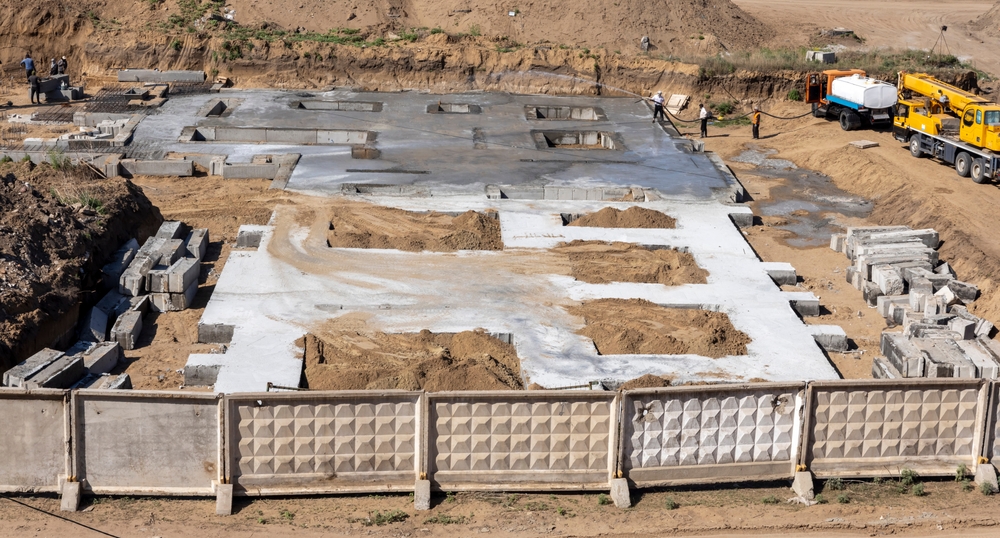

The most critical stage in ensuring a building is long-lasting, safe, and durable begins with a properly laid foundation. The foundation is the most important structural element, transferring the building’s entire load to the ground and ensuring the building remains stable. For this reason, the foundation-laying process is not merely a starting point but also a vital step that determines the building’s future. So, how is a foundation laid, and what should be considered during this process? In this article, we will examine the foundation-laying process—the first step toward a sturdy structure—in detail, covering every stage from site preparation to concrete pouring, to understand how a safe construction project begins.
What is Foundation Construction?
Foundation construction is the process of creating the infrastructure that will safely and evenly distribute a building’s entire load to the ground, and it is considered one of the most critical stages of construction. The strength, durability, and longevity of a building depend largely on the foundation being constructed correctly. This is because the foundation is not merely a structural element that supports the building; it is also the most important structural component that prevents risks such as settlement, slippage, and cracking that may arise from the ground.
The foundation construction process typically begins with a detailed site survey. During this phase, the soil’s bearing capacity, structure, groundwater level, and potential risks are analyzed. Based on the data obtained, the appropriate foundation type—such as a raft foundation, continuous foundation, or pile foundation—is determined. Excavation work is then carried out at the construction site, the ground is leveled, and improvement measures are implemented if necessary. To ensure the foundation’s stability, a concrete slab is poured to create a smooth surface, followed by protective measures such as waterproofing.
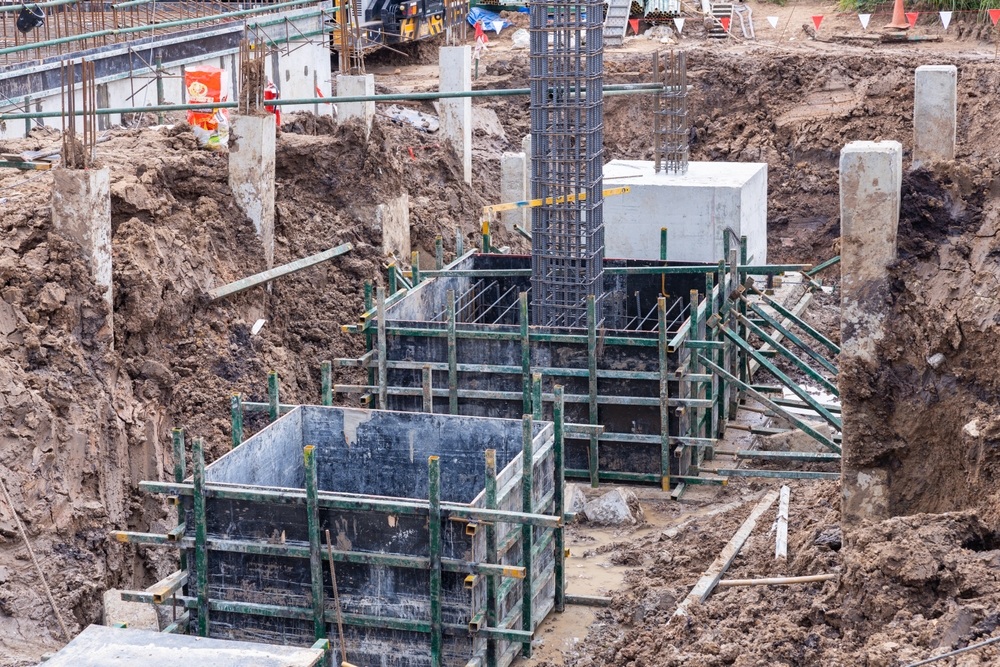
In the next stage, reinforcing bars are placed according to the project specifications. These bars increase the concrete’s strength, thereby enhancing the foundation’s load-bearing capacity. Finally, the forms are prepared and the concrete is poured. Proper placement, compaction, and curing of the concrete are just as critical as the other stages. When all these processes are carried out carefully and in accordance with engineering standards, a solid foundation is established for the structure. In short, foundation work is the unseen yet most vital part of a construction project, and if not done correctly, the superstructure—no matter how high-quality—may remain at risk.
How to Lay a Foundation?
The question of how to lay a foundation is one of the most critical issues for anyone seeking to build a sturdy and safe structure. The foundation construction process follows a specific plan and technical steps, and the proper execution of each stage directly impacts the structure’s future. This process begins with preliminary preparations and continues meticulously through to the pouring of concrete.
The first step involves conducting a site survey to analyze the soil’s bearing capacity, structure, and groundwater conditions. Based on this data, a decision is made regarding the type of foundation to be used. Excavation work then begins at the construction site. After excavation to the depth specified in the project, the ground is leveled and compacted. Where necessary, soil improvement work is also carried out at this stage.
Once the excavation is complete, a concrete base is poured to create a clean, level surface. This layer prevents the foundation concrete from coming into direct contact with the ground and ensures a more successful installation. Waterproofing is then applied to protect the foundation from external factors. This step is particularly important in areas with groundwater.
In the next step, reinforcing bars are placed according to the project specifications. Reinforcing bars are one of the most important elements in increasing the strength of the concrete and must be placed correctly. Next, the forms are prepared and the foundation’s shape is formed. Once all preparations are complete, the concrete is poured. Ensuring the concrete is spread evenly and eliminating voids through vibration is crucial for the foundation’s strength.
The concrete is allowed to cure—that is, to develop strength—for a certain period of time. Keeping the concrete moist during this process prevents cracking and ensures that maximum strength is achieved. When all these steps are carried out correctly and carefully, a solid foundation is established for the structure. In short, the foundation construction process is not merely a starting point, but also the most critical stage in determining the structure’s safety.
What Is the Importance of Laying the Foundation in Construction?
The importance of laying the foundation in construction stems from the fact that it directly affects a building’s safety, durability, and longevity. The foundation is the most critical structural element that transfers the building’s entire load to the ground and ensures that these loads are distributed evenly. If the foundation is not constructed properly, serious issues such as settlement, cracking, tilting, and even collapse may arise over time. For this reason, the foundation-laying process is considered the most critical phase of a construction project.
The foundation also serves as a barrier that protects the structure from external factors. Factors such as groundwater, moisture, and ground movement, in particular, can cause serious damage if the foundation is not constructed properly. For this reason, waterproofing and ground improvement work carried out during the foundation phase are of great importance for maintaining the structure’s integrity. A solid foundation not only supports the structure but also protects it from environmental influences.
When it comes to natural disasters such as earthquakes, the importance of the foundation becomes even more critical. Whether the vibrations caused during an earthquake damage the structure depends largely on the strength and proper design of the foundation. The foundation, which provides the connection between the ground and the structure, ensures that these forces are distributed evenly and helps the structure move in a controlled manner.
In addition, the foundation is one of the key factors determining a building’s economic lifespan. A properly constructed foundation ensures that the building requires less maintenance, can be used safely for many years, and retains its value. Otherwise, significant repair costs may arise in the years to come. For this reason, the foundation-laying process is not only a technical necessity but also of great importance in terms of protecting the investment.