
The safety and durability of modern buildings depend largely on the proper design of the structural system. Columns and beams, the most fundamental components of this system, are the primary elements that safely transfer a building’s loads to the ground. So, what are columns and beams, what functions do they serve, and how is a structural system constructed in a building? In this article, we will examine the logic behind the structural system—one of the most critical phases of construction—in simple and clear terms, and explore step by step how strong and safe buildings are created.
What Is a Column?
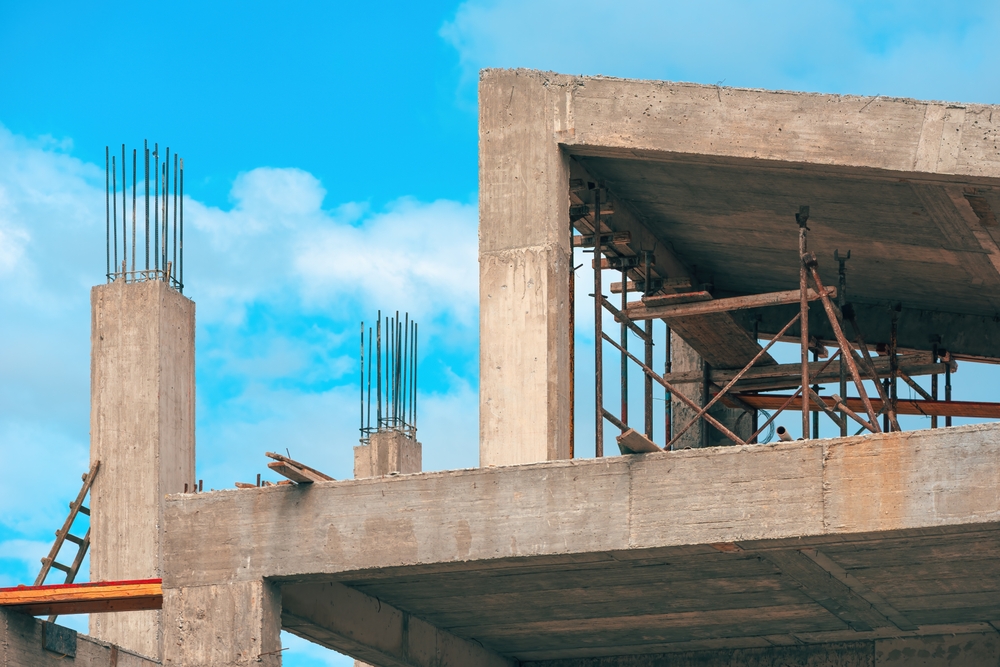
A column is one of the fundamental components of a building’s structural system; it is a vertical structural element that safely transfers all loads from upper floors to the ground. Columns, which can be constructed from various materials such as reinforced concrete, steel, or wood, support the loads from beams, floors, and walls, ensuring the building remains stable. They not only handle vertical loads but also resist horizontal forces such as those caused by earthquakes and wind, thereby enhancing the structure’s durability. For this reason, the location, dimensions, and internal reinforcement layout of columns must be designed in accordance with engineering calculations.
Properly designed columns constructed with high-quality materials are one of the most important factors in ensuring a building’s longevity and safety. Conversely, columns with insufficient cross-sections, improperly placed, or constructed with low-quality materials can seriously jeopardize structural safety. For this reason, column fabrication stands out as a critical phase in the construction process, requiring both technical expertise and meticulous execution.
What Is a Beam?
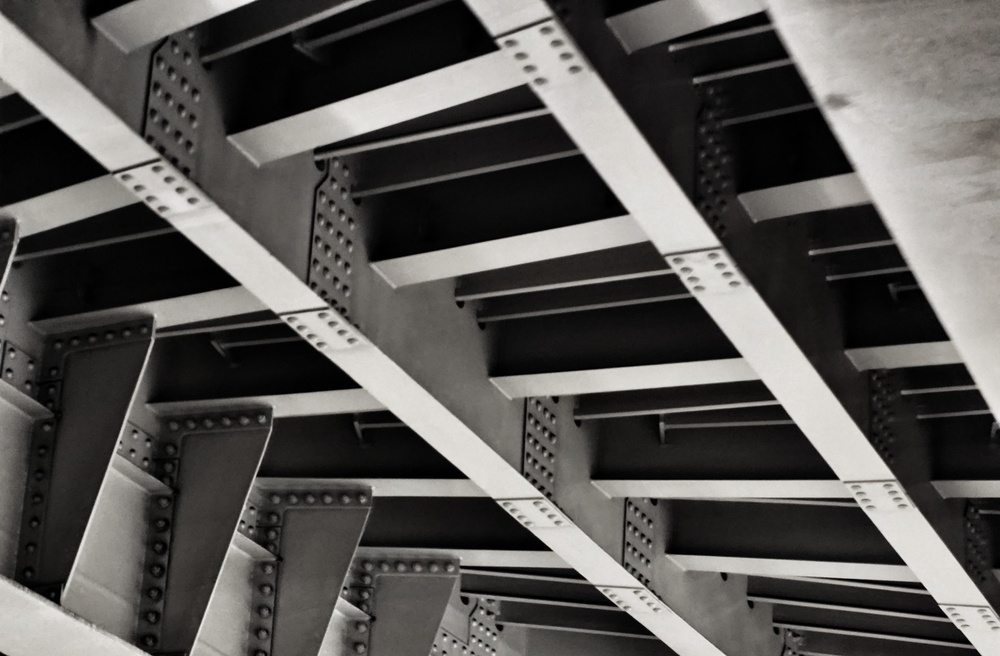
A beam is a fundamental structural element in a building’s load-bearing system that is positioned horizontally and transfers loads from above to the columns. Typically made of reinforced concrete, steel, or wood, beams support the weight of floors, walls, and other structural components, ensuring that these loads are evenly distributed to the columns. This ensures a uniform load distribution within the structure and enhances the building’s overall structural integrity.
Beams not only carry vertical loads but also contribute to safety by increasing the structure’s rigidity against horizontal forces such as earthquakes and wind. Improperly sized or incorrectly placed beams can lead to cracks, sagging, and serious structural issues over time. Therefore, the design of beams, the quality of materials used, and the construction process are of great importance. In the construction of strong and durable structures, beams, along with columns, are an indispensable component of the system.
How Is a Structural System Installed?
The structural system is the most critical structural framework that safely transfers all of a building’s loads to the ground and ensures the building’s stability. This system consists of elements such as columns, beams, floors, and, when necessary, shear walls, all working together as a unified whole. The process of establishing a robust structural system always begins with a detailed site investigation. The bearing capacity of the ground directly influences how many stories the building can have, which foundation type should be used, and the overall system design. Following this phase, structural designs are prepared to align with the architectural plans, and the locations, dimensions, and reinforcement details of the structural elements are determined based on engineering calculations.
The first step in the construction process is building the proper foundation system. Options such as a raft foundation, continuous foundation, or pile foundation are selected based on the soil conditions, and this stage plays a decisive role in the structural integrity of the entire building. Once the foundation is complete, columns are installed, and beams are connected to these columns to begin forming the building’s structural framework. Next, floor slabs are poured to facilitate load transfer between floors, and the structure rises in stages. If the project requires it, shear walls are also incorporated into the system, particularly to enhance seismic resistance.
Among the most critical factors throughout this process are material quality and proper workmanship. The strength class of the concrete used, the quality of the reinforcing steel, and its correct placement are of vital importance for the system’s safety. Additionally, all work must be carried out in compliance with current earthquake regulations and building standards. Even the smallest calculation error or application deficiency can lead to serious structural problems down the line. For this reason, the installation of a structural system must be carried out not only with theoretical knowledge but also with field experience and a rigorous inspection process. A properly designed and fully implemented structural system ensures both the safety and longevity of the building.
What Are Structural System Components?
Structural system elements are the fundamental structural components that safely bear all loads acting on a building and transfer these loads to the ground. Working together, these elements ensure that the building remains stable, durable, and safe against external forces. The most basic components of the structural system include columns, beams, floors, foundations, and shear walls. Although each element has a different function, they all work together as a whole to keep the structure standing.
Columns are the vertical members of the structural system and directly transfer loads from upper floors to the foundation. Beams, on the other hand, are horizontal members that collect loads from floor slabs and transfer them to the columns. Floors create usable space between stories while also transferring the loads on them to the beams. The foundation is the lowest structural element that ensures all these loads are safely transferred to the ground and is of critical importance for the building’s structural integrity. Shear walls, on the other hand, are important elements that provide the building with additional strength—especially in earthquake-prone areas—by resisting horizontal loads and increasing the building’s rigidity.
In addition, in some structures, the structural system may be supported by various elements such as steel bracing, frame systems, or load-bearing walls. Particularly in high-rise buildings or industrial structures, different system solutions may be used in combination to achieve a more balanced load distribution. The proper design of structural system elements, appropriate material selection, and flawless execution are of great importance for ensuring the building’s longevity and safety. Therefore, all these elements must be planned in accordance with engineering calculations and implemented with meticulous care during the construction process.
What Is the Importance of the Structural System?
The importance of the structural system stems from the fact that it directly determines whether a building is safe, durable, and long-lasting. As the fundamental structural framework that keeps a building standing, the structural system evenly transfers all loads on the structure—such as people, objects, snow, wind, and seismic forces—to the ground. If this system is not properly designed or is implemented incorrectly, the structure may sustain serious damage and even face the risk of collapse. For this reason, the structural system is one of the most critical and demanding phases of a construction project.
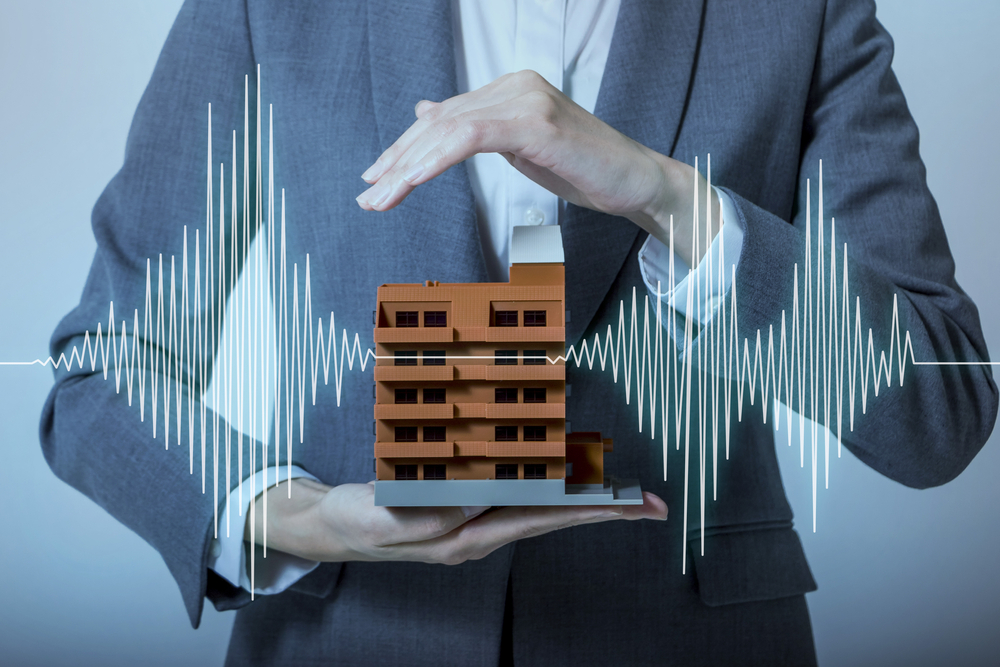
The importance of the structural system is particularly significant in regions located within earthquake zones. A building’s ability to resist the horizontal forces generated during an earthquake depends largely on the quality of the structural system. The proper placement of elements such as columns, beams, and shear walls, and their design in accordance with engineering calculations, plays a vital role in ensuring the safety of lives and property. A strong structural system ensures that the building behaves in a controlled manner during a potential earthquake and minimizes damage.
In addition, the structural system also affects the building’s lifespan and economic value. Buildings constructed with a robust system are more resistant to deformations, cracks, and environmental impacts that may occur over time. At the same time, maintenance and repair costs remain lower. For this reason, the structural system is of great importance not only during the construction phase but also in terms of long-term performance. In short, the proper planning and thorough implementation of the structural system are indispensable requirements for a safe and sustainable building.