
When constructing a building or carrying out a major infrastructure project, one of the most critical factors is understanding the nature of the soil. This is precisely where a “soil investigation” comes into play. So, what is a soil investigation, and why is it conducted? Let’s take a look.
What Is a Site Survey?
A geotechnical study is a type of investigation that examines the soil structure and properties of a site where construction is to take place, and is used to ensure the safety and design of engineering projects. Geotechnical studies are utilized in large-scale engineering projects such as infrastructure, road construction, buildings, and bridges.
The primary purpose of conducting a soil investigation is to determine the soil’s bearing capacity, compaction level, impermeability, and other criteria important from an engineering perspective. The information obtained from a soil investigation is used in the construction of structures to enhance safety and durability. Additionally, soil investigations can help optimize construction costs. Material selection based on the structure’s design is made possible through a soil investigation.
Soil investigations are conducted using methods such as drilling, laboratory tests, sampling, and analysis to determine the geological and geotechnical characteristics of the soil. The data obtained is used by civil and geotechnical engineers to help ensure the successful completion of the project.
Why Is a Site Survey Conducted?
Some of the reasons for conducting a site survey—which is of utmost importance for construction projects—are as follows:
Determining Soil Properties: A soil investigation helps determine the structure and properties of a site. This information is critical for the safe construction of buildings.
Project Safety: Soil investigations enhance project safety. Information about the soil’s bearing capacity and behavior reduces the risk of adverse events such as collapse and landslides during construction.
Cost Savings: A soil study helps optimize construction costs. Proper analysis of the soil prevents unnecessary engineering solutions and ensures the selection of the right materials.
Site-Specific Design: Site surveys ensure that structures are designed to be compatible with the site, which is particularly important for large infrastructure projects.
Reducing Environmental Impacts: Soil surveys, which help mitigate the environmental impacts of construction projects, contribute to the prevention of natural disasters such as soil erosion when implemented correctly.
Investment Protection: The soil survey helps property owners protect their investments and ensures the long-term durability of buildings.
We’ve learned why soil investigations are conducted; now let’s take a look at how they’re carried out.
How Is a Site Survey Conducted?
A soil investigation involves specific methods used to determine the soil structure of a plot of land or a construction site. Here are the steps for conducting a soil investigation:
Defining Project Objectives: The first step is to determine the primary objective of the geotechnical study. At this stage, decisions are made regarding how the project will be constructed, the intended use of the site, and what data is required.
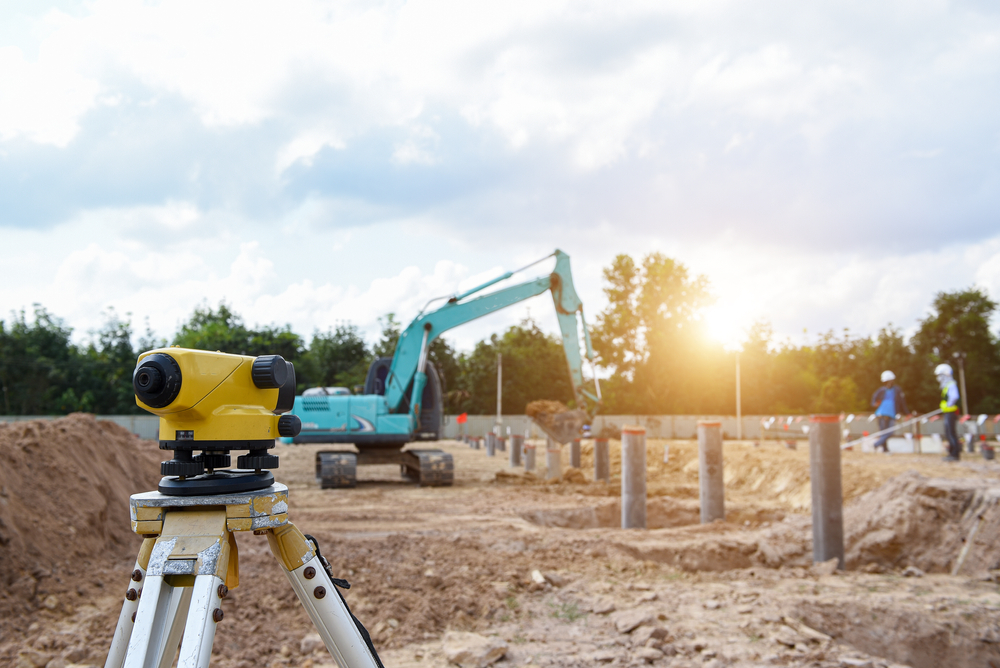
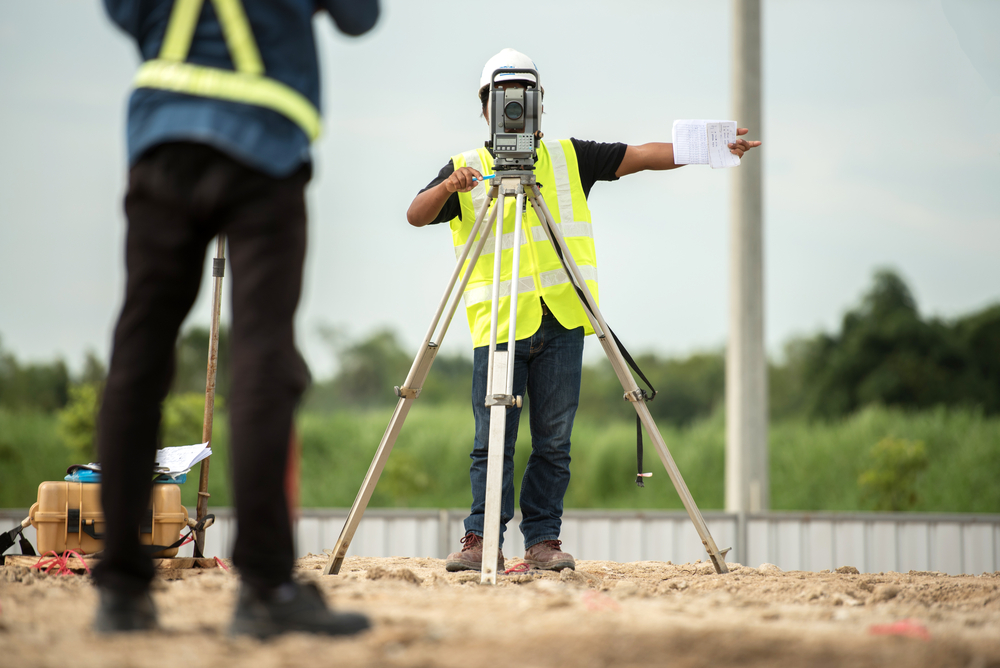
Topographic Survey: Before beginning the site investigation process, the topographic characteristics of the site must be examined in detail. These characteristics include the site’s shape, slope, and drainage.
Drilling and Sampling: Drilling operations are conducted to determine the properties of the soil in greater detail. During these drilling operations, soil samples are also collected. These samples are then analyzed in the laboratory through various tests. Drilling is primarily used to determine the depth of soil and rock layers.
Laboratory Tests: Samples are subjected to various tests in a laboratory setting. The results of these tests help determine the soil’s strength, compressibility, impermeability, and other properties.
Geotechnical Analyses: The data obtained is used to perform geotechnical analyses. Based on the results of these analyses, the soil’s bearing capacity, settlement, and other engineering properties are evaluated to reach a conclusion. Additionally, the soil’s behavioral conditions are determined at this stage.
Reporting: The data obtained from the tests is compiled into a report. This report contains important information to be used during the construction phase of building projects. The report includes the soil’s bearing capacity, requirements, and foundation design decisions.
Design Recommendations and Guidelines: The geotechnical investigation report provides design recommendations to civil engineers. These recommendations cover important topics such as foundation design and soil improvement.
Monitoring Project Progress: The soil investigation can also be reviewed as construction progresses. Depending on the project’s progress, further analyses may be required as part of the soil investigation.
Soil investigation is crucial for the durability and safety of construction projects. A proper soil investigation helps identify potential problems in advance and informs construction decisions.
Who Conducts the Site Survey?
Soil investigations, typically conducted by civil engineers, can also be performed by geologists and geotechnical engineers. These professionals carry out these studies to examine the behavior and properties of the soil and to assess the compatibility of the construction project with the soil. Soil investigations are crucial for the reliability, longevity, and durability of structures.
Soil investigation is a fundamental stage of construction projects and plays a critical role in their success. Thanks to the valuable information it provides about soil properties and behavior, engineers and designers are able to construct safer, more durable, and more cost-effective structures. It also helps minimize environmental impacts and protects property investments. Soil investigation is a common practice in the construction industry and is carried out meticulously by experts such as civil engineers, geotechnical engineers, and environmental specialists.