


The term “reinforced concrete,” which is frequently encountered in the construction industry, is generally understood to encompass the entire range of construction processes. Given the rapid growth of the population, it is crucial that buildings are constructed to meet these needs. So, what is a reinforced concrete structure? What are the construction processes involved in reinforced concrete structures? Let’s explore the answers to these questions together.
What Is Reinforced Concrete?
Reinforced concrete structures, whose applications have expanded significantly in recent years, are actively preferred in a wide range of settings, including workplaces, shopping centers, homes, and airports. The primary advantages of reinforced concrete structures are their low cost and high durability. In reinforced concrete structures, steel is embedded within the concrete to enhance the structure’s strength. However, simply adding steel to the concrete is not enough; the quality of the materials used during construction is crucial to the structure’s durability.
Although concrete is resistant to high pressure, it has low tensile strength. For this reason, steel is added to concrete with the aim of combining the two materials into a compatible composite. It is crucial that the steel added to the structure be installed by experts and that its quantity be carefully controlled.
Although there are many different types of structures today, reinforced concrete structures remain among the most popular choices. Reinforced concrete is a highly advantageous material for large-scale structures such as bridges, tunnels, and dams. So, what are the advantages of these reinforced concrete structures? Let’s take a closer look together.
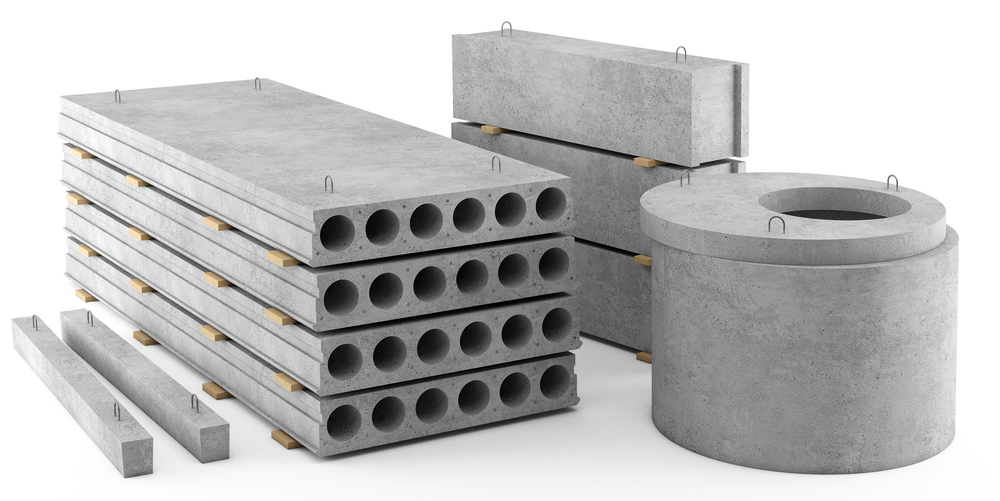
What Are the Advantages of Reinforced Concrete Structures?
Reinforced concrete, which is frequently chosen in the construction industry due to its many benefits, offers the following advantages:
- It has higher compressive strength compared to other building materials.
- Reinforced concrete structures are highly fire-resistant. If there is a sufficient amount of concrete in the structure, no collapses occur during a fire, and the resulting damage is easily repairable. Steel and wood structures sustain more fire damage than reinforced concrete structures.
- Reinforced concrete structures, which are sturdier than other types of structures, are rigid and do not generate vibrations.
- The maintenance costs of reinforced concrete structures are lower than those of other types of structures, and they are resistant to moisture.
- In reinforced concrete structures, which have a very long service life, the quality of the concrete improves over time.
- Reinforced concrete, which is made from readily available materials such as sand, water, and gravel, is cost-effective. Reinforced concrete structures use a small amount of reinforcing steel.
- Compared to wooden and steel structures, joints can be supported more simply.
What Is the Service Life of Reinforced Concrete Structures?
Reinforced concrete structures, which have a longer service life than other types of structures, can last between 45 and 50 years if constructed using durable, high-quality materials. These structures, which are resistant to dust accumulation and wear, are easy to maintain.
When reinforced concrete structures weaken over time, additional reinforcements and strengthening measures are implemented.
Why Should Reinforced Concrete Structures Be Preferred?
Due to the rapid population growth in our country, the housing shortage is constantly increasing. Since consumers demand buildings that can be constructed quickly, are cost-effective, and durable, reinforced concrete structures should be the preferred choice. Demand for reinforced concrete structures, which are resistant to fire, rain, humidity, and snow, is growing day by day.
What Are the Construction Phases of Reinforced Concrete Structures?
These structures, created by combining concrete and steel, are distinguished by their durability. Ensuring the longevity of reinforced concrete structures requires meticulous work. The stages of reinforced concrete construction are as follows:
Project Design: A project design must be prepared prior to the construction of a reinforced concrete structure, taking all details into account. Experts perform the necessary calculations to determine the dimensions of the reinforced concrete elements.
Foundation Preparation: Careful attention must be paid to foundation preparation to ensure the durability of reinforced concrete structures. The foundation on which the structure rests must be constructed properly.
Formwork Preparation: Appropriate formwork must be prepared for the areas where concrete will be poured. This formwork must be arranged for installation on the structure.
Concrete Pouring Process: After steel reinforcements are placed inside specially prepared forms, the concrete is poured.
Concrete Curing and Strength Development: The curing process is used to increase the strength of concrete.
Wall and Column Construction: Walls and columns, which are other structural elements of the building, are constructed. Separate forms are prepared for these elements as well.
Surface Treatments: The surface is finished to protect the structure from external factors and enhance its aesthetic appeal. This stage involves processes such as plastering and painting.
The construction of reinforced concrete structures must be carried out meticulously by experts in the field. With proper project management, reliable and durable structures can be built.
Applications of Reinforced Concrete Structures
Reinforced concrete structures are among the most commonly used types of structures in many different fields. Some of the applications of these structures include:
Residential Buildings: It is frequently chosen for residential projects due to its low cost.
Industrial Structures: Commonly used in industrial settings such as factories, warehouses, and hangars.
Bridges: It is the material of choice for bridge projects that require high durability.
Dams: Due to their resistance to high pressure, they play a significant role in dam construction.
Road Structures: Used in road projects such as intersections, viaducts, and tunnels.
Marine Structures: These are preferred in port and coastal areas for their water resistance.
Reinforced concrete is one of the cornerstones of the construction industry and an indispensable method for building durable structures. This type of construction combines the strength of concrete with the flexibility of steel reinforcement to create sturdy, durable, and long-lasting buildings. The construction processes for reinforced concrete structures are carefully planned and meticulously executed. Stages such as concrete pouring, rebar installation, formwork, and finishing coatings are essential steps that ensure buildings are completed safely and securely. This method is an indispensable part of modern construction and remains a crucial approach that will continue to form the foundation of durable and aesthetically pleasing structures in the future.