
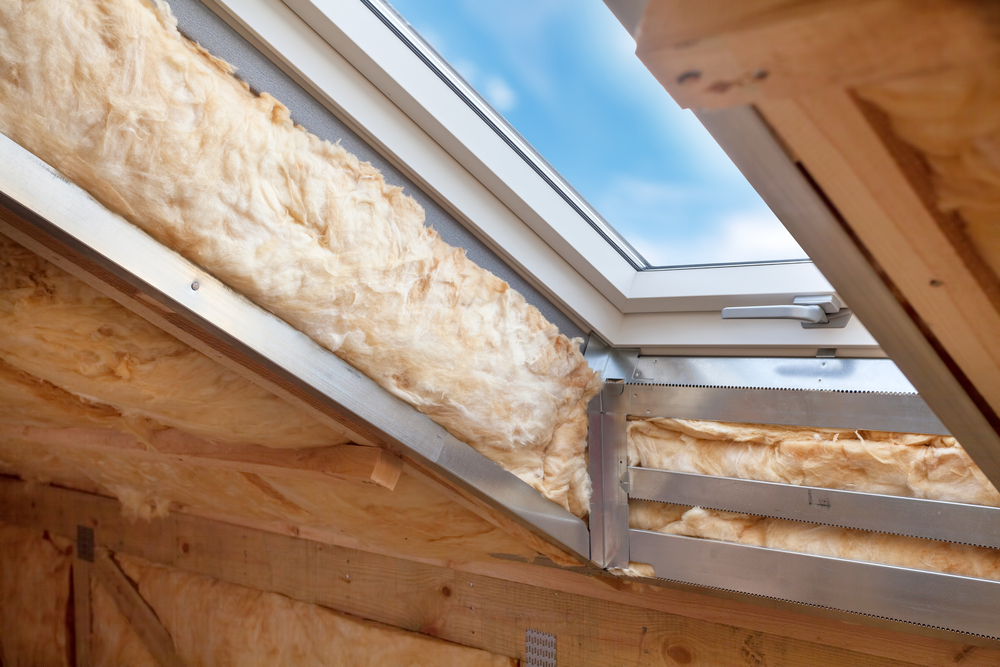

Insulation, which enhances the energy efficiency and comfort of buildings, is one of the most critical aspects of modern construction. There are many different types of insulation designed to minimize adverse external influences and make indoor spaces more comfortable.
So, what is insulation? What are the different types of insulation? Let’s explore the answers to these questions together.
What Is Insulation?
Insulation is a construction technique used to retain heat within a space and prevent heat loss. Insulation is also used to prevent water leaks. It is commonly applied to areas of structures—such as roofs, balconies, and pools—that are exposed to heat and moisture. Heat and water insulation problems we encounter in our daily lives can cause significant issues. However, despite these problems, sufficient importance is not given to insulation in building construction.
Insulation is an exterior cladding system added to a building after construction. Insulation is crucial for ensuring the building’s longevity. Additionally, the risk of moisture and dampness is significantly reduced in buildings with proper insulation. When insulation is installed according to project specifications, issues caused by the transfer of hot and cold air are prevented. By preventing condensation, the building’s longevity is ensured.
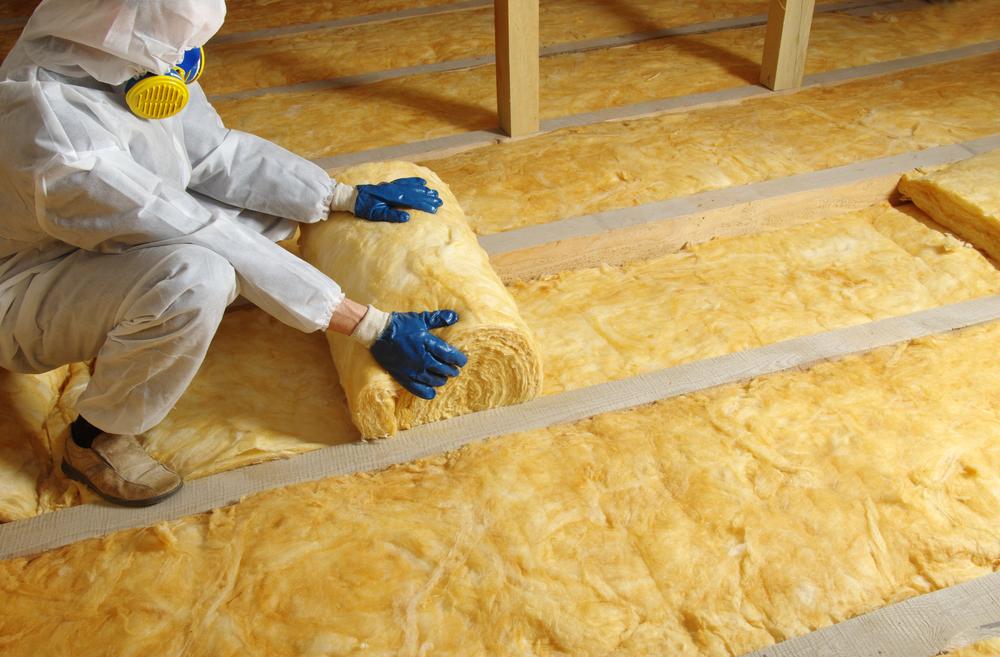
Why Does Insulation Matter?
Properly constructed buildings will improve the quality of life for those who live there. For this reason, insulation work must be carried out correctly by professionals. In addition, the quality of the materials used is of great importance in insulation applications. As for why insulation is important, water leaks in buildings can lead to unpleasant odors and aesthetic issues. If these water leaks are not repaired, they can lead to moisture damage and negatively impact human health. Proper insulation is essential to prevent plumbing-related issues.
What Are the Different Types of Insulation?
Insulation involves measures taken to protect building surfaces from adverse factors. Insulation work can be performed on roofs, floors, or ceilings. Insulation processes are categorized based on their intended purpose. These categories include:
- Waterproofing
- Thermal insulation
- Sound insulation
- Fire insulation
- Pipe insulation
Thermal Insulation
Heat, a form of energy, tends to flow from a warmer environment to a cooler one. Cracks in walls, uninsulated areas, windows, doors, and roofs are the areas where heat tries to escape the most. These areas, where heat transfer is most intense, are called “thermal bridges.” Thermal insulation, on the other hand, is a method of insulation that helps retain heat. Although it is commonly seen as exterior wall insulation in buildings, there are many different options among its various types, such as siding and natural stone cladding.
Sound Insulation
The process of reducing and blocking the transmission of sound from one environment to another is called sound insulation. Sound insulation helps control both sounds generated within a space and those coming from outside. The goal of sound insulation is to create a quieter environment in living spaces.
Sound insulation is achieved by using various materials and techniques to prevent the propagation of sound waves. These materials and techniques help absorb sound. Effective sound insulation contributes to increased comfort in indoor spaces.
Sound insulation plays a crucial role in both residential and commercial spaces. Elements such as soundproofing panels, acoustic foam, soundproof curtains, and ceiling panels can be used in sound insulation projects. Additionally, building designs take into account sound insulation and the minimization of sound transmission.
Waterproofing
The primary purpose of waterproofing is to protect a building or structural element against water penetration. Waterproofing is performed to prevent water from coming into contact with, accumulating in, or seeping into the structure. Roofs, bathrooms, kitchens, exterior walls, floors, and interior spaces are areas that require waterproofing.
Waterproofing aims to prevent damage and moisture caused by water and to create healthy living conditions. Waterproofing is particularly important in regions with heavy rainfall.
Fire Insulation
Fire compartmentalization is a safety measure involving structural arrangements designed to prevent the spread of fire to other areas of a building during a fire. Fire compartmentalization is implemented to enhance fire safety in buildings. Proper planning of the building design during the construction phase is of utmost importance.
Pipe Insulation
Piping insulation refers to practices designed to protect piping systems used in buildings and industrial settings from external adverse effects, promote energy savings, and enhance functionality. Piping insulation is achieved by covering the outer surfaces of piping systems with specially developed materials, thereby ensuring they remain unaffected by factors such as heat, sound, and moisture.
What Are the Benefits of Insulation?
Insulation, which enhances a building’s indoor comfort and energy efficiency, offers numerous benefits in terms of sustainability. By reducing heating and cooling costs, insulation helps maintain a consistent indoor temperature. Additionally, while sound insulation creates a quiet environment, it also prevents moisture and humidity issues. By helping to prevent corrosion, insulation ensures that buildings have a long service life.
When we consider the benefits that insulation brings to our lives, it becomes clear just how critical proper insulation is in every type of construction project and home renovation. In this way, we not only improve our quality of life but also move closer to our goal of leaving a more sustainable environment for future generations. We must not forget that insulation not only protects buildings but also helps safeguard our future by insulating it.