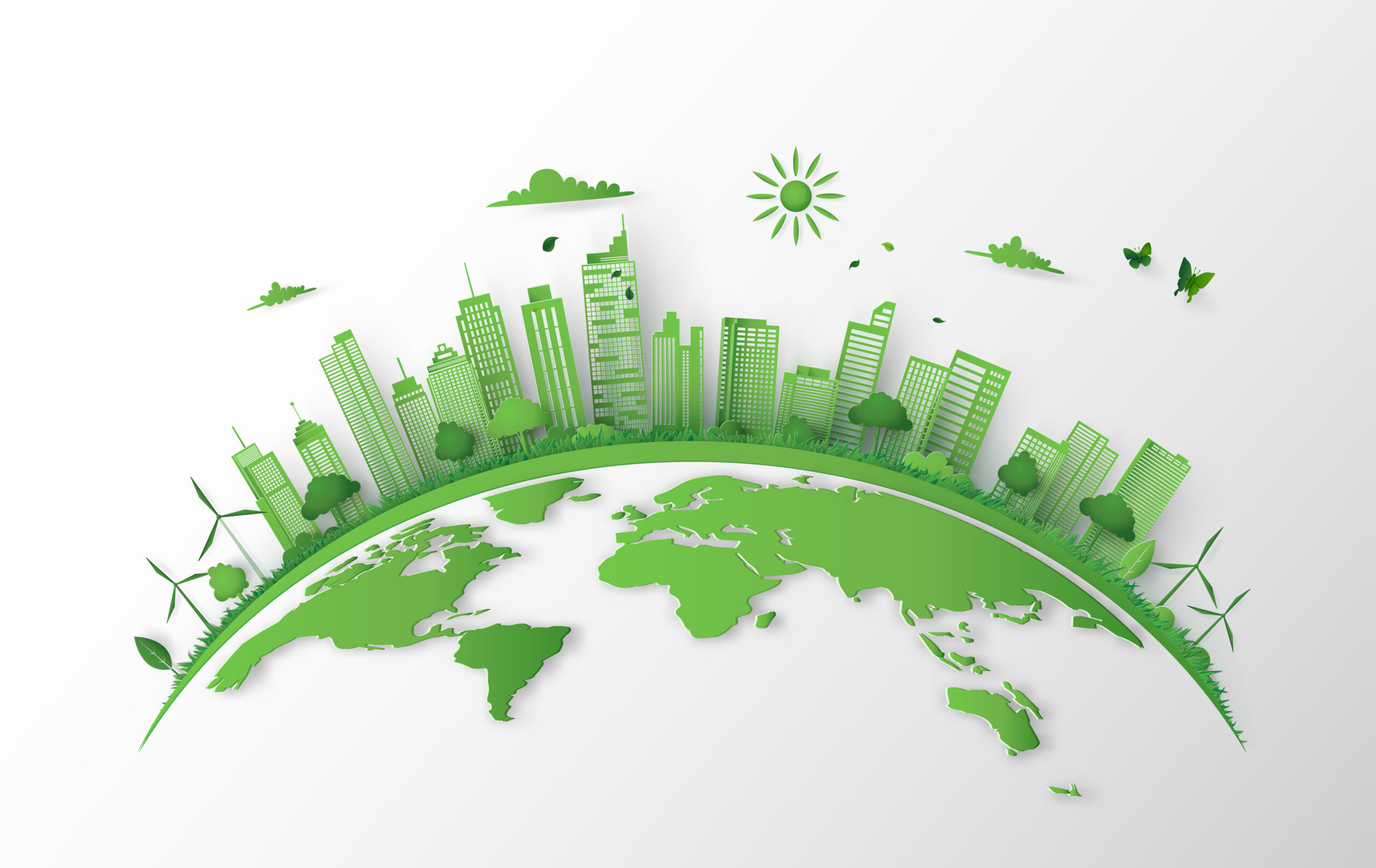

The concept of a “green building” refers to a type of sustainable structure designed to minimize environmental impacts and use energy and resources efficiently. Green buildings are carefully planned to minimize environmental impacts during the design, construction, and operation phases. These buildings incorporate features such as energy conservation, water management, waste reduction, healthy indoor air quality, and environmentally responsible materials. Green buildings aim to leave a more sustainable world for future generations by promoting an eco-friendly lifestyle while also delivering long-term cost savings.
So, what is a green building? What are the characteristics of green buildings? Let’s take a detailed look at the answers to these questions.
What Is a Green Building?
A green building is a structure designed in accordance with specific standards and that causes less harm to the environment than conventional buildings. The standards for green buildings are as follows:
- Making the best use of the site where the building will be constructed,
- The use of recyclable materials,
- The use of renewable energy sources,
- Avoiding fossil fuels,
- The efficient use of natural light,
- To ensure proper air circulation inside,
- Minimizing expenses such as cooling, heating, and lighting,
- The use of graywater, the storage of rainwater, and the importance of its treatment,
- Promoting waste management and the categorization of solid waste,
- Finally, if the insulation of the roof, windows, and walls is properly installed, the building can qualify as a green building.
- The concept of green building refers to the implementation of environmentally efficient practices throughout a building’s lifecycle. Every factor related to the environment—from the planning phase to design, construction, and maintenance—is taken into account.
Human activities such as buildings, settlements, and energy consumption contribute to greenhouse gas emissions. The most significant impact of greenhouse gases is the acceleration of global warming. Approximately 70% of events worldwide that negatively impact the environment are caused by buildings. For this reason, constructing buildings in accordance with green building standards is of utmost importance for the conservation of the world’s limited resources.
What Are the Characteristics of a Green Building?
The misconception that building green and protecting the environment require large budgets is incorrect. Depending on the specifics of the project, green buildings can be excellent financial decisions. As long as the building is not demolished, they reduce costs while also minimizing the carbon footprint. Other features of green buildings include:
- Barriers on the building’s exterior keep moisture out and help keep the building cooler. As a result, the electrical systems needed to cool the building are used less frequently.
- The solar heat gain coefficient refers to the amount of direct solar radiation that enters through the glass and remains inside the building as heat. This value should be kept as low as possible; doing so can also reduce electricity costs.
- Thanks to a type of rotary wheel called an enthalpy wheel, cooled air is recovered from inside the building, and this air is then used to cool incoming outdoor air. This method improves indoor air quality.
- Lighting systems controlled by daylight sensors turn off artificial lights when there is sufficient natural light during the day and turn them back on when the sun sets. This prevents unnecessary use of light, thereby saving energy.
- Occupancy sensors turn on the lights only in areas where people are present. This technology can also be used on escalators.
The designs of green buildings should not have a negative impact on the ecosystem or water resources. Sustainable developments should protect the natural environment and ensure the effective management of limited resources.
What Are the Benefits of Green Buildings?
Green buildings offer a range of benefits. These include key factors such as energy efficiency, environmental protection, healthy indoor environments, and economic advantages.
Energy Efficiency: Green buildings minimize energy consumption by utilizing energy-efficient designs and technologies. This reduces energy costs by lowering the energy requirements of buildings for heating, cooling, and lighting.
Environmental Protection: Green buildings have a lower environmental impact. Practices such as the use of sustainable building materials, waste management, and water conservation help reduce environmental pollution and the depletion of natural resources.
Healthy Indoor Environments: The interiors of green buildings are healthier thanks to improved air circulation and efficient ventilation systems. High indoor air quality can help reduce health issues among building occupants.
Use of Sustainable Materials: Recyclable, eco-friendly materials are preferred in the construction of green buildings. This ensures a more efficient use of natural resources.
Water Conservation: Water conservation is a key objective in green buildings. Water consumption is reduced through the use of low-flow fixtures, rainwater harvesting systems, and smart irrigation technologies.
Increased Value: Green buildings generally have a higher value. These buildings become more attractive due to lower future energy costs and the growing value of their environmental credentials.
Social Impact: Green buildings help promote environmental sustainability and mindful consumption. This, in turn, can encourage society as a whole to adopt more environmentally friendly behaviors.
Longevity: Green buildings can be more durable thanks to the use of sustainable materials and design. This helps create long-lasting structures by reducing maintenance and renovation costs.
These benefits reflect the contributions that green buildings make not only to the environment but also to building occupants and society as a whole.
Green buildings are not merely structures; they are a reflection of a lifestyle that is mindful of the future and the environment. With concepts such as energy efficiency, environmental protection, healthy indoor environments, and sustainability taking center stage, green buildings offer a range of benefits to both building owners and society. These positive impacts demonstrate a building philosophy that considers not only the present but also the future. Green buildings are a significant step toward an environmentally friendly and sustainable lifestyle that meets the needs of the future. With their benefits for both the environment and human health, green buildings appear poised to continue shaping the future of the construction industry.