
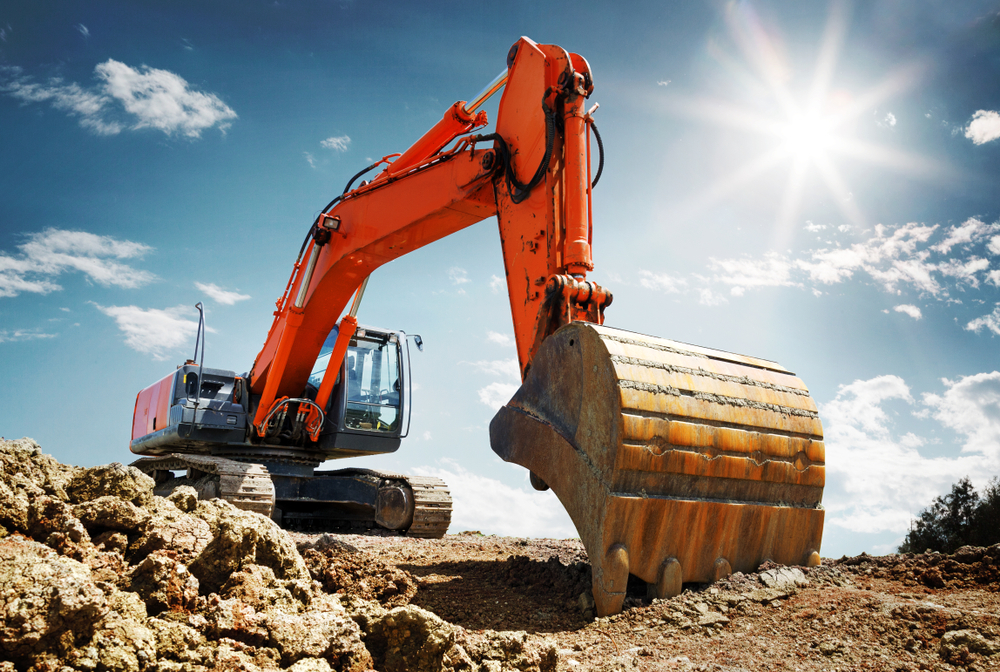

Excavators are among the most impressive machines in the world of construction and engineering. These massive machines are typically used for digging, loading, and earthmoving operations. Essentially consisting of a bucket, an arm, and a movable chassis, excavators can maneuver with ease even in challenging terrain. With a wide range of applications—from construction sites to the mining industry—these machines offer high efficiency and labor savings. Today, the flexibility and versatility of excavators have made them an indispensable part of modern construction projects. As excavators continue to evolve alongside technology, they will continue to play a significant role in the construction industry of the future. So, what is an excavator? What is an excavator used for? Let’s take a look together.
What Is an Excavator?
An excavator is a large and powerful type of construction machinery. It is typically used for tasks such as digging, loading, earthmoving, and transporting heavy materials. The most distinctive feature of excavators is their long arm and the bucket or digging tool attached to its end. This arm is used to dig up soil, lift materials, and transport them.
Excavators are typically mounted on tracked or rubber-tired chassis. Tracked models offer better traction and stability in rough terrain and on slippery surfaces, while rubber-tired models can move faster and are suitable for use on hard surfaces.
Excavators have a wide range of applications. In the construction industry, they are used to dig building foundations; in road construction, for earthwork; in mining, for extracting materials; and in agriculture, for heavy-duty tasks. Additionally, when equipped with various attachments, they can be effectively used for tasks such as demolition, rock crushing, and tree felling.
Modern excavators are being equipped with an ever-increasing range of technological features, making them more efficient, safer, and more environmentally friendly. These machines are considered an indispensable part of construction and engineering projects and significantly increase operational efficiency.
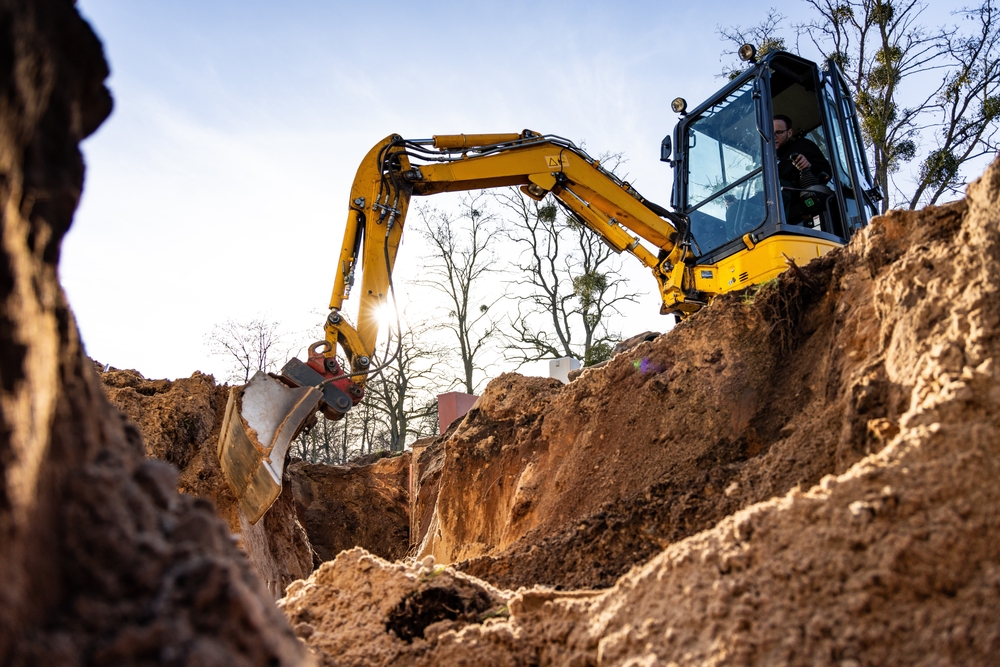
What Is an Excavator Used For?
Excavators are cornerstones of modern construction and engineering projects. So, what exactly do these impressive machines do?
The most basic function of an excavator is to dig. In the construction industry, they are used to lay building foundations, dig trenches, or perform earthwork. These machines make it possible to dig and move soil easily, allowing work to be done much more quickly and efficiently than with manual labor.
In addition, excavators play a major role in the mining industry. In mining operations, they are used to remove and transport heavy layers of rock and soil. This speeds up mining processes and makes them safer.
The functionality of excavators is not limited to just digging and loading. Equipped with various attachments, they can also be used for different tasks such as demolition work, lifting heavy materials, and—in some models—even snow removal. These attachments make excavators extremely flexible and versatile machines.
In summary, excavators are indispensable machines in construction, mining, road construction, and many other fields due to their speed, power, and versatility. With technological advancements, these machines are continuing to evolve and play a major role in increasing work efficiency in various industrial processes.
What Are the Different Types of Excavators?
Excavators are designed in various types to meet different job requirements and working conditions. Here are the most common types of excavators:
Track-Type Excavators: This is the most commonly used type of excavator. They are ideal for heavy-duty work and challenging terrain. Their tracks distribute the machine’s weight over a wide area, providing better traction and stability on the ground.
Wheeled Excavators: They are capable of moving quickly and maneuvering more easily. They are suitable for projects involving work on hard surfaces, such as road construction and urban projects.
Mini or Compact Excavators: With their small size and lightweight design, they are ideal for working in tight spaces. They are preferred for applications such as landscaping, small-scale construction projects, and indoor work.
Long-Reach Excavators: Thanks to their long arms, they can reach hard-to-access areas. They are frequently used for underwater work, deep excavations, and earthmoving operations.
Super-Long-Reach Excavators: With their much longer booms, these excavators can reach deeper and farther than standard-reach models.
Dragline Excavators: These are used primarily in surface mining and large-scale earthmoving projects. They are equipped with a large bucket and are typically very large in size.
Amphibious Excavators: These are specially designed machines capable of operating on water or on very soft ground. They are used in wetlands, riverbeds, and for clearing swamps.
Demolition Excavators: These excavators are specifically designed for demolition work and feature heavy-duty lifting capacity and a reinforced structure.
These models are designed to meet the requirements of various work environments and the tasks to be performed. Each excavator model offers features and capabilities optimized for a specific type of work, ensuring maximum productivity and safety.