
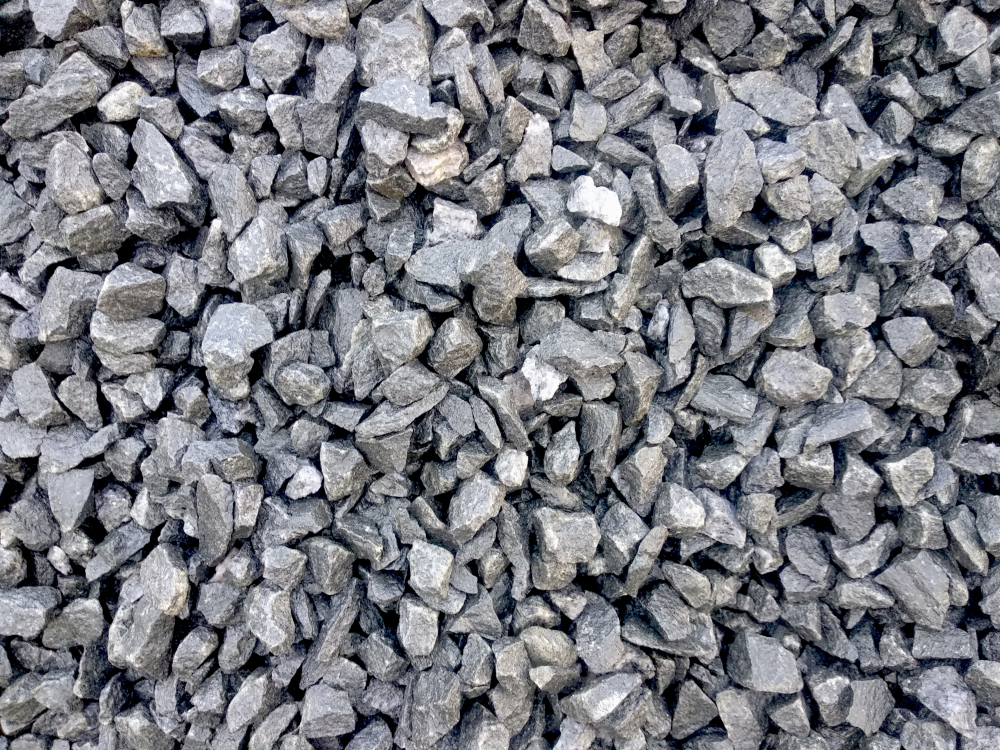

Aggregate is an important material frequently used in the construction industry and is employed in many different structural applications. Aggregate is formed by combining materials such as sand, gravel, stone particles, or natural minerals extracted from quarries. Aggregate is used in many structural applications, including concrete, asphalt, masonry, and flooring. The properties of aggregate can vary depending on the intended application. These properties include particle size, shape, density, and durability. The proper selection of aggregates is critical to the quality and durability of construction projects. For this reason, selecting and using the appropriate aggregates for any construction project is of great importance.
What Is Aggregate?
Aggregate, a component used in asphalt and other structural applications, is a material widely used in the construction industry. Aggregate is the term given to inorganic materials with different mineral compositions used in mixtures such as concrete and mortar. Aggregate is formed by combining sand, gravel, stone particles, and natural minerals. Aggregate is primarily used to increase the strength of structures. Since aggregate is a low-cost material, it is frequently used and makes a significant contribution to structures that use cement.
Some of the primary functions of aggregate are as follows:
Components of concrete: Aggregate, one of the main components of concrete, forms concrete when combined with water and cement.
Asphalt mixtures: Aggregate is used to pave asphalt roads. The use of aggregate increases the durability of asphalt mixtures.
Masonry: It is also a material frequently used in aggregate masonry.
Aggregates, whose properties may vary depending on project requirements, can differ in terms of shape and density. Selecting the correct type and size of aggregates in construction projects is of vital importance for the project’s successful completion.
What Are the Properties of Aggregate?
Size and Shape
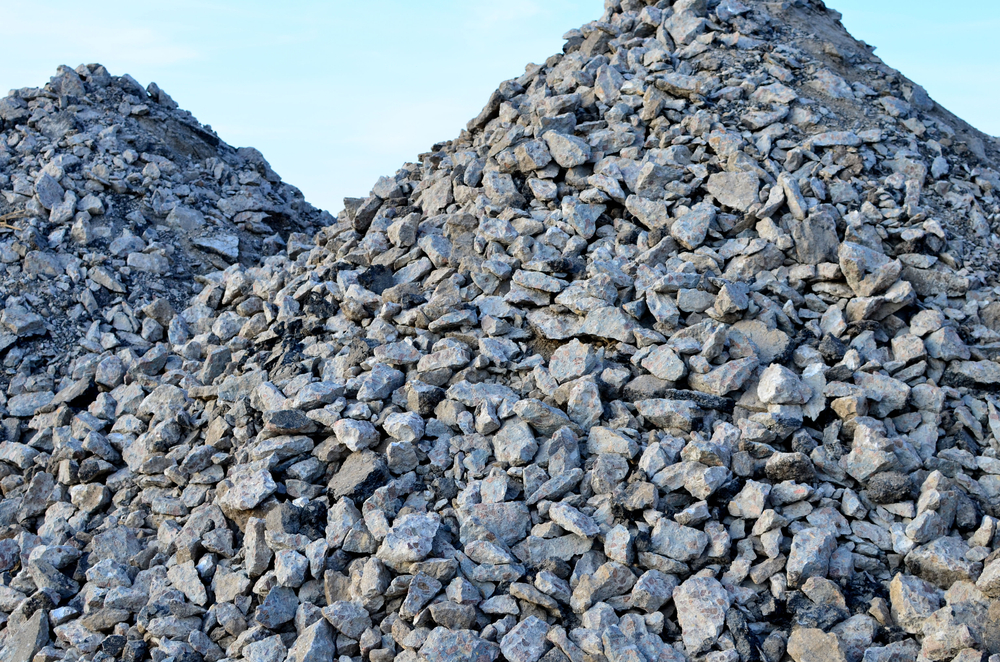
The size and shape of aggregates vary depending on their intended use and the desired properties of the concrete. They come in various forms, such as sand, gravel, and crushed stone. The shape of aggregates can affect the workability and durability of concrete. For example, round aggregates improve the workability of concrete, while angular aggregates can enhance its durability by strengthening the mechanical bonding within the concrete.
Density and Porosity
The density of aggregates affects the overall weight and strength of concrete. While high-density aggregates can produce heavier and stronger concrete, low-density aggregates are preferred for the production of lightweight concrete. The porosity of aggregates can affect their water absorption capacity and, consequently, the durability of the concrete.
Chemical and Mineralogical Properties
The chemical composition of aggregates can affect their reactivity with concrete and their durability. Some aggregates can cause harmful chemical reactions, such as the alkali-silica reaction. The mineralogical composition of aggregates also has a significant effect on the durability of concrete.
Mechanical Properties
The mechanical properties of aggregates—such as hardness, abrasion resistance, and compressive strength—determine the overall performance of concrete. Aggregates with high mechanical properties can produce more durable and long-lasting concrete structures.
Sustainability and Environmental Impact
Aggregates are also important in terms of their environmental impacts and sustainability. Recycled aggregates and aggregates sourced from local resources are preferred to conserve natural resources and reduce environmental impacts. These approaches help minimize the construction industry’s impact on the environment.
What Are the Different Types of Aggregates?
The properties and applications of each type of aggregate vary. Below is information about the most common aggregates and their properties:
Natural Aggregates: Natural aggregates are obtained from riverbeds, seashores, and natural quarries. This category includes sand, gravel, and natural stone fragments. Natural aggregates are commonly used in concrete production and road construction. Their main advantages are minimal processing requirements and wide availability.
Crushed Stone Aggregate: Crushed stone aggregates are produced by crushing stones of various sizes. They are typically produced by crushing hard rocks such as granite, basalt, and limestone. They are ideal for applications requiring high strength and durability, and are particularly preferred for high-traffic roads and structural concrete projects.
Recycled Aggregate: Recycled aggregates are produced by processing construction and demolition waste, such as waste concrete, brick, and asphalt. They are an environmentally friendly option and are used in sustainable construction projects. These types of aggregates are generally suitable for applications that require lower strength.
Lightweight Aggregate: Lightweight aggregates are typically produced by heating materials such as clay, shale, or foamed slag. This process causes the material to expand, resulting in lightweight aggregates with a porous structure. They are used in the production of lightweight concrete and are known for their thermal and acoustic insulation properties.
Heavy Aggregates: Heavy aggregates are derived from high-density minerals such as barite, hematite, and magnetite. These types of aggregates are used in areas requiring radiation shielding, such as radiology rooms and nuclear facilities. They are also preferred for special heavy-weight concrete.
Artificial Aggregates: Artificial aggregates are aggregates produced through industrial processes and typically possess specific engineering properties. For example, expanded polystyrene and glass aggregates are designed for specialized applications. Artificial aggregates are ideal for customized concrete mixes and specific structural requirements.
The selection of each aggregate should be based on the requirements and characteristics of the project in which it will be used. While natural aggregates are generally the most common and economical option, crushed stone and recycled aggregates are preferred for specialized applications and environmentally friendly projects. Lightweight and heavyweight aggregates, on the other hand, are used for more specific engineering requirements. Artificial aggregates offer customized solutions in the modern construction industry.