
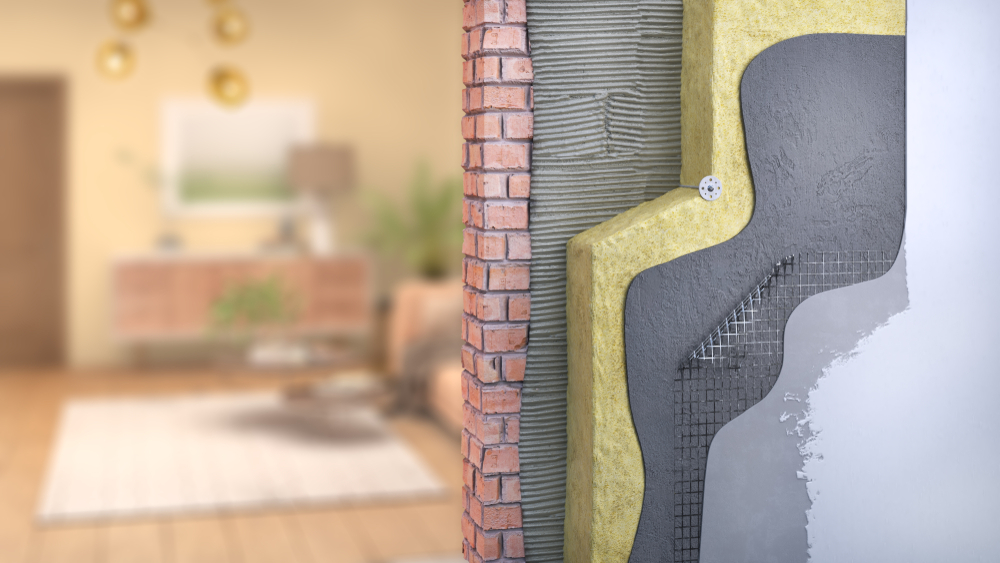

Today, efforts to improve energy efficiency and create comfortable living spaces are further highlighting the importance of thermal insulation. Thermal insulation is a process that prevents heat loss or gain in buildings, making indoor spaces more energy-efficient and comfortable. This process saves energy in both summer and winter, while also improving indoor air quality in buildings. In this article, we will explore what thermal insulation is and what types of thermal insulation exist.
What Is Thermal Insulation?
Today, efforts to improve energy efficiency and create comfortable living spaces are further highlighting the importance of thermal insulation. Thermal insulation is a process that prevents heat loss or gain in buildings, making indoor spaces more energy-efficient and comfortable. This process saves energy in both summer and winter, while also improving indoor air quality in buildings. In this article, we will discuss what thermal insulation is, how it works, and the different types of thermal insulation available.
Thermal insulation helps maintain a stable indoor temperature in buildings by blocking heat flow. This leads to lower heating and cooling costs and significantly reduces energy consumption. Insulation materials are applied to various structural elements—such as walls, roofs, floors, and windows—to minimize heat transfer. Types of insulation include expanded polystyrene (EPS), extruded polystyrene (XPS), mineral wool, glass wool, and spray foam. Each material has its own unique properties and applications.
Thermal insulation not only saves energy but also improves indoor air quality in homes and workplaces. Thermal insulation materials help control moisture, preventing the growth of mold and mildew. This creates a healthy living environment, especially for people with allergies and asthma. In addition, thermal insulation enhances a building’s resistance to external factors, thereby preserving its structural integrity in the long term.
What Are the Different Types of Thermal Insulation?
Thermal insulation is the set of materials and techniques used to reduce heat loss or gain in buildings. There are various types of thermal insulation materials with different structural properties and applications. Here are some common types of thermal insulation:
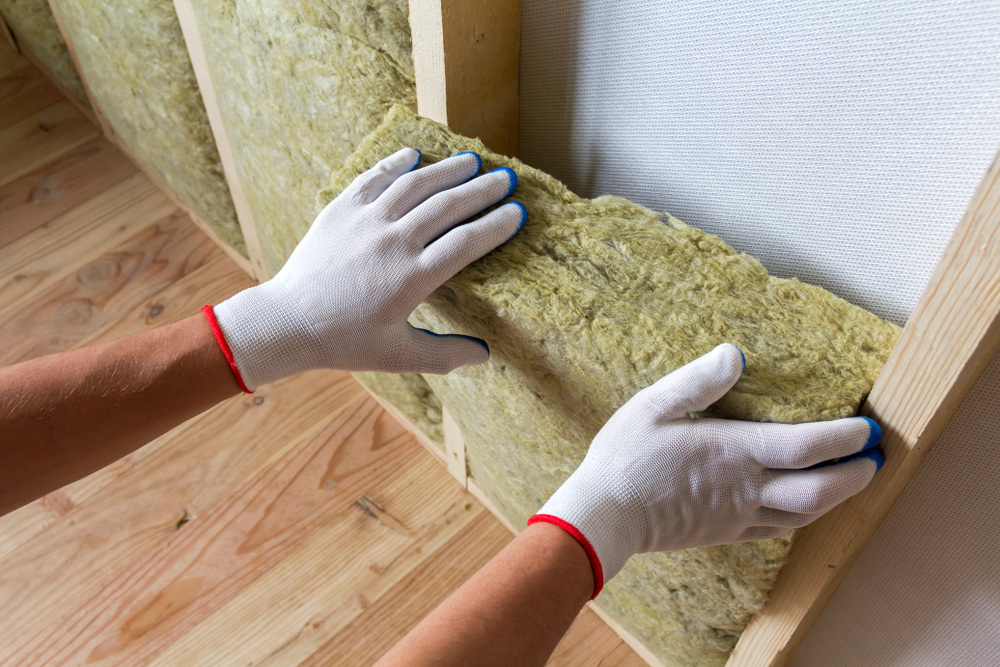
Glass Wool: It is made of flexible fibers and is typically used in areas such as attics and wall cavities. It provides good sound insulation and effectively reduces heat transfer.
Stone and Mineral Wool: Mineral wool, produced from stones and rocks, is known for its fire resistance and sound insulation properties. It is resistant to moisture and mold.
Polystyrene Foam (EPS and XPS): Expanded (EPS) and extruded (XPS) polystyrene foams are used in walls, floors, and foundations. They are notable for being lightweight, durable, and waterproof.
Spray Foam: Applied by spraying it onto a structure, spray foam provides excellent airtightness and can be easily applied to complex structural voids.
Fiber Insulation Panels: Made from natural fibers such as wood or cotton, these panels are used for walls and roofs and provide good sound insulation.
Reflective Insulation Materials: These materials improve energy efficiency by reflecting heat. They are typically available as aluminum foil sheets and are used on roofs.
Perlite and Vermiculite: Perlite and vermiculite, which are expanded mineral-based materials, are lightweight, fire-resistant, and provide good thermal insulation.
Cellulose: Cellulose made from recycled paper is typically blown into wall cavities and attic spaces, especially in existing buildings.
Aerogel: It is a lightweight, high-performance insulation material with extremely low thermal conductivity, but it is more expensive than other materials.
Each type of thermal insulation material has its own unique advantages and disadvantages. When making a selection, factors such as the building’s structure, climate conditions, and budget should be taken into account. The proper use of these materials improves energy efficiency and enhances comfort levels inside the building.