


Glass plaster is a modern wall-covering technique that combines aesthetics with durability. Thanks to its thin texture and glossy surface, this type of plaster lends spaces an elegant look and is frequently chosen for interior design. With its light-reflecting properties, glass plaster creates a spacious atmosphere on the surface it’s applied to, while its durability ensures a long-lasting solution. So, how is glass plaster applied, and what steps are involved? Here’s what you need to know about the details and application process of this striking finishing technique.
What Is Glass Plaster?
Glass plaster is a stylish and functional wall covering material that has become an indispensable element of modern architecture and interior design. This special type of plaster, which stands out primarily for its thin texture and light-reflecting properties, is used to add depth to spaces and create an aesthetic appearance. Glass plaster creates a smooth and glossy finish on surfaces, thereby fostering a brighter and more airy atmosphere. This quality helps make a space appear more spacious and open, particularly in areas with limited natural light.
Glass plaster consists of glass particles reinforced with polymer-based materials and is typically applied to decorative elements such as interior walls, ceilings, and sometimes columns. During application, it is crucial that the surface be clean and smooth. In the first step, the surface is leveled and a suitable primer is applied. Next, the glass plaster mixture is applied to the surface and shaped using various spatulas and tools to achieve the desired pattern or texture. Throughout the drying process, the work is carefully monitored, and final touches are made to ensure a durable, long-lasting finish.
Glass plaster offers not only visual appeal but also durability in interior design. Thanks to its water- and moisture-resistant composition, it can remain intact for a long time even in humid areas. Additionally, with its variety of color and pattern options, it offers users the opportunity to personalize their decor. Thanks to all these features, glass plaster stands out as both an aesthetic and functional wall covering solution.
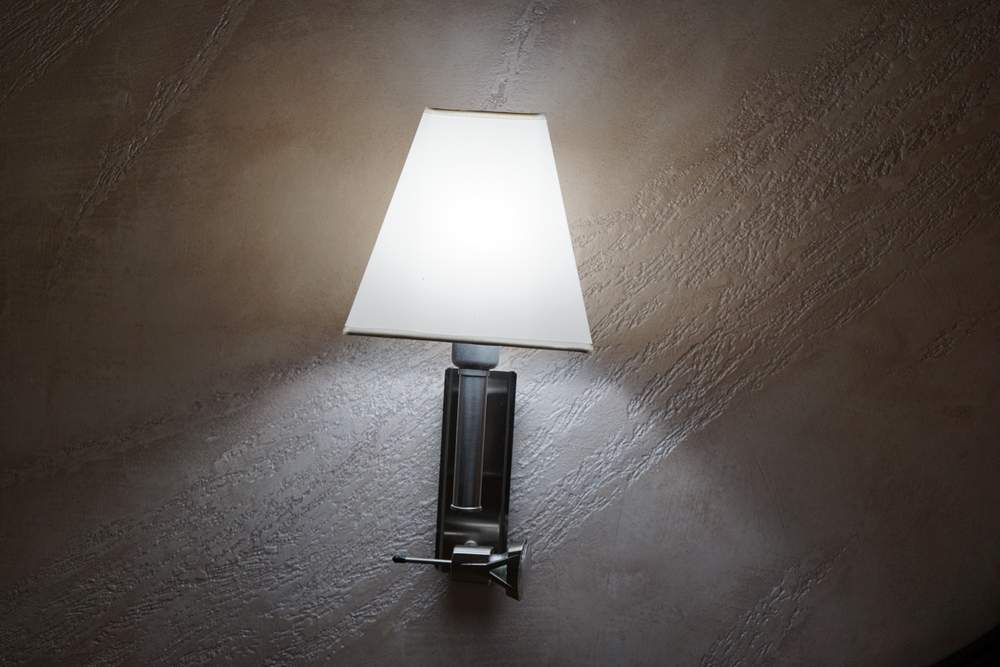
How Is Glass Plaster Applied?
Surface Preparation: For the application of glass plaster to be successful, the surface to be treated must first be properly prepared. The surface must be clean, dry, and smooth, as these factors directly affect the quality of the application. Residues such as old paint, dust, and dirt must be removed from the surface, and rough areas should be sanded down if necessary. Before application, priming the wall ensures that the glass plaster adheres better to the surface and results in a uniform appearance.
Preparation of the Glass Plaster Mix: Before application, the glass plaster must be thoroughly mixed with the correct proportions of water and other additives until a homogeneous consistency is achieved. At this stage, it is important that the mixture does not form lumps and maintains a fluid consistency. The quality of the materials used and the correct proportions of the mixture are decisive factors in the durability of the application.
Application Stage: The prepared glass plaster mixture is applied to the surface in a thin layer using a spatula or trowel. After the first coat, allow the plaster to dry completely. Drying time may vary depending on the ambient temperature and humidity. Once the first coat has dried, a second coat can be applied to achieve the desired pattern and texture. This layer can be shaped using special tools to create a decorative appearance.
Drying and Final Touches: Once the application is complete, you must wait a certain amount of time for the glass plaster to dry. During this time, it is important to avoid any impact or disturbance to the surface. The full curing process typically takes several days. Once the curing process is complete, a varnish or protective coating can be applied to enhance the surface’s durability and aesthetic appeal. This step increases the glass plaster’s gloss and water resistance.
Maintenance and Cleaning: Once the glass plaster has been applied, regular maintenance and cleaning of the surface is quite easy. It can be wiped down with a slightly damp cloth to remove dust and dirt. Thanks to its water- and moisture-resistant composition, it retains its original appearance for a long time.
Glass plaster is a unique finishing option that combines aesthetics and durability in interior design. With proper application and careful maintenance, it can give spaces a stylish and modern look for many years. Paying close attention to every stage of the application process directly affects the quality and lifespan of glass plaster. Regular cleaning and protection of the surface help this special material retain its original luster. Glass plaster is an ideal choice for those seeking both an elegant touch and a functional solution for their spaces.