
Exterior wall insulation is one of the most important steps for improving a building’s energy efficiency and reducing energy costs in the long term. Choosing the right insulation material creates a comfortable living space by both preserving the structure’s durability and minimizing heat loss. Today, there are many insulation materials on the market that cater to different needs and budgets. However, the choice of material depends on the building’s geographic location, climate conditions, insulation thickness, and energy-saving goals. In this blog post, we will discuss in detail the most suitable materials for exterior wall insulation and the factors to consider when making a selection.
What Is Exterior Wall Insulation?
Exterior wall insulation is a method of insulation applied to the exterior surface of a building to minimize heat transfer between indoor and outdoor environments. This process involves adding insulation materials to the building’s exterior and prevents both excessive heat in the summer and cold air in the winter from entering the building. Exterior wall insulation improves a building’s energy efficiency, reducing heating and cooling costs, while also extending the building’s lifespan and making interior spaces more comfortable. Additionally, exterior wall insulation protects a building’s exterior surface from various weather conditions, reducing damage caused by cracking, peeling, and other environmental factors. For this reason, selecting the right insulation material is extremely important for both the aesthetic and structural integrity of buildings.
Exterior Insulation Materials
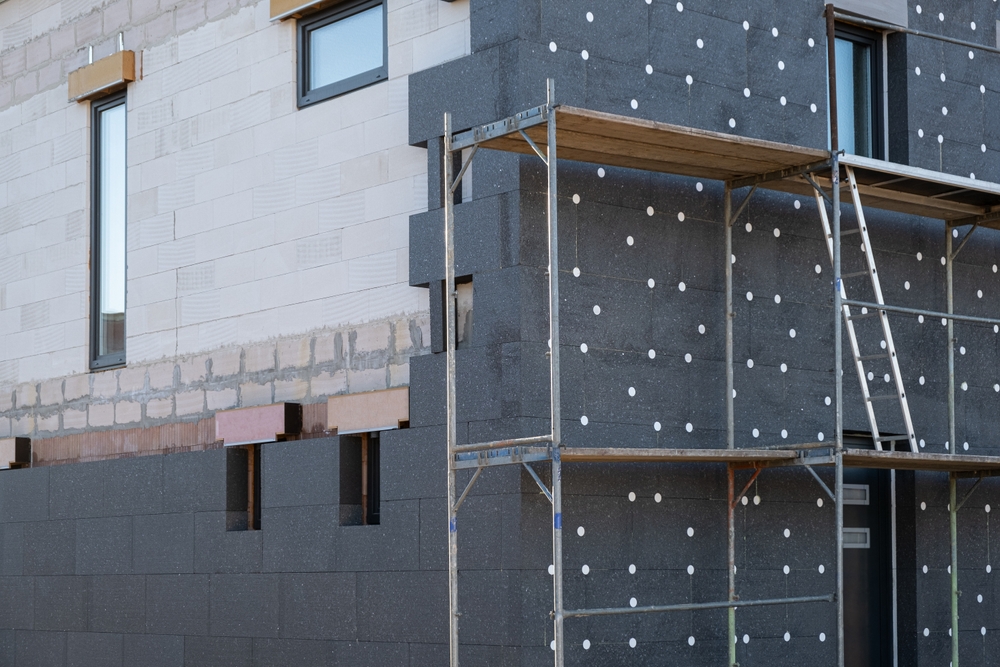
Selecting the right materials for exterior wall insulation is a critical step that directly affects a building’s energy efficiency, durability, and comfort. Each insulation material may perform differently depending on climate conditions, geographic locations, and building types. Therefore, selecting the insulation material best suited to the building’s needs is of great importance for achieving energy savings and ensuring long-term protection. The most commonly used materials for exterior wall insulation are as follows:
EPS
EPS is an expanded polystyrene material and one of the most commonly used materials in exterior wall insulation. Lightweight, durable, and providing good thermal insulation, EPS is also a cost-effective option. This material enhances the aesthetic appeal of a building’s exterior through plaster and paint applications, while its waterproof properties protect the facade from external elements. EPS stands out for its ability to minimize heat loss, particularly in cold climates. However, additional measures are often required to enhance its fire resistance.
XPS
XPS is an insulation material made from extruded polystyrene that offers high compressive strength. Due to its low water absorption rate, it is widely used, particularly in damp and water-exposed areas. With its robust structure, XPS provides long-lasting protection for both exterior walls and foundation insulation. Denser and more durable than EPS, this material provides thermal insulation while also protecting the exterior facade from environmental factors. XPS’s rigid structure makes it more resistant to impact, which is why it is frequently preferred for exterior cladding.
Stone Wool
Stone wool, produced from natural minerals, is an insulation material known for its resistance to high temperatures and fire. Offering superior performance in thermal, acoustic, and fire insulation, stone wool is particularly preferred in buildings requiring fire-resistant insulation. Stone wool provides excellent thermal insulation by trapping air and, at the same time, offers a comfortable living space by absorbing noise through its acoustic performance. Thanks to its high vapor permeability, this material helps prevent moisture buildup inside the building, contributing to the structure’s longevity. However, stone wool may be slightly more expensive than other insulation materials.
Glass Wool
Glass wool is an insulation material made from recycled glass and is a highly effective solution for thermal, acoustic, and fire insulation. Thanks to its thin and flexible structure, glass wool is easy to install and adapts well to various surfaces. When used for exterior wall insulation, this material reduces heat loss and improves energy efficiency. Additionally, its fire-resistant properties provide extra safety against fire risks. Glass wool is also a standout option due to its light weight and cost-effectiveness. However, it may need to be protected with a vapor barrier before being used in damp environments.
PU
Polyurethane foam is a material that delivers superior performance in exterior wall insulation. Thanks to its closed-cell structure, this material offers low thermal conductivity and is also highly resistant to water and moisture. Applied in spray form, polyurethane provides excellent insulation even in hard-to-reach areas and prevents voids from forming on the surface. Due to its high insulation performance, effective results can be achieved even with thin layers. PU is a material frequently preferred, particularly in industrial buildings and projects aimed at energy conservation. However, the cost of application may be higher compared to other materials.
Fiberglass Insulation
Fiberglass is an insulation material made from fine glass fibers and is widely used to provide thermal insulation on exterior walls. Thanks to its lightweight and flexible structure, it is quite easy to install and is impact-resistant. Fiberglass, which performs well in thermal insulation, also offers advantages in terms of sound insulation and fire resistance. However, it is a material that requires caution when used in humid environments because it is susceptible to moisture damage. For this reason, it is important to protect areas where fiberglass insulation will be installed from moisture.
Exterior Insulation Systems
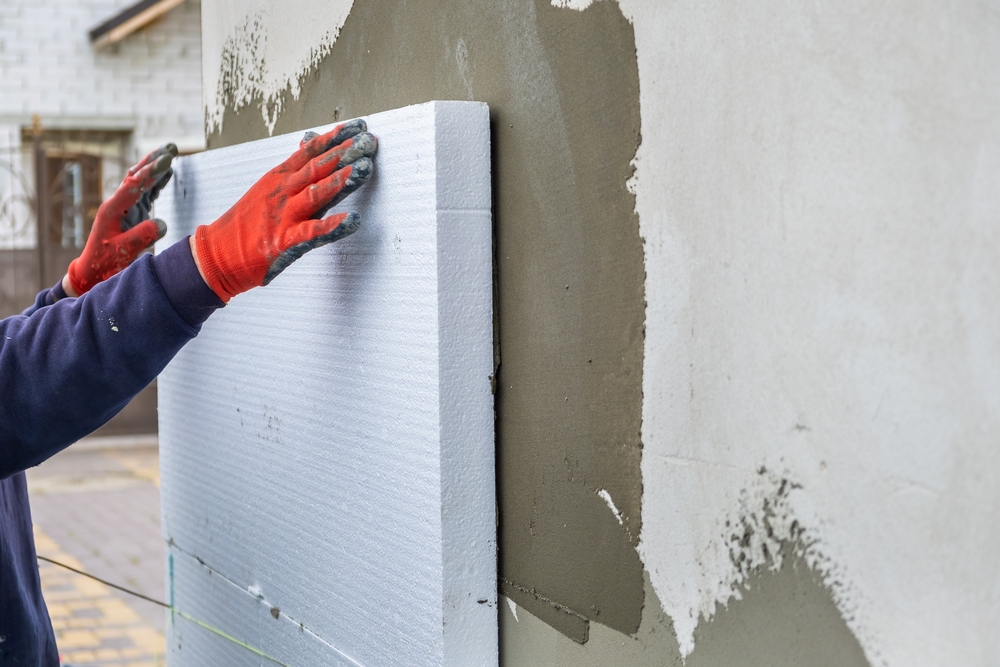
Exterior wall insulation is one of the most commonly used insulation methods for building facades. This system, which is typically installed using insulation boards such as EPS or XPS, prevents heat loss and saves energy. Exterior wall insulation not only provides thermal insulation but also protects the building’s exterior surface from external factors, ensuring long-term durability. Offering both an aesthetic appearance and high insulation performance, exterior wall insulation systems are an effective method for increasing a building’s value. Proper material selection and professional workmanship are crucial during installation.
Which Material Should Be Chosen?
The choice of material for exterior wall insulation depends on the climatic conditions of the region where the building is located, the age of the building, the type of exterior wall surface, and energy-saving goals. While EPS or rock wool, which provide high thermal insulation, may be preferred in cold climates, water-resistant materials such as XPS or polyurethane may be more suitable in humid regions. Rock wool and glass wool are the preferred choices for structures requiring fire resistance. Additionally, cladding systems can be used in projects seeking an aesthetic and long-lasting solution.
Exterior wall insulation is crucial for improving comfort in buildings and saving energy. Choosing the right insulation material not only extends the building’s lifespan but also provides long-term economic benefits.