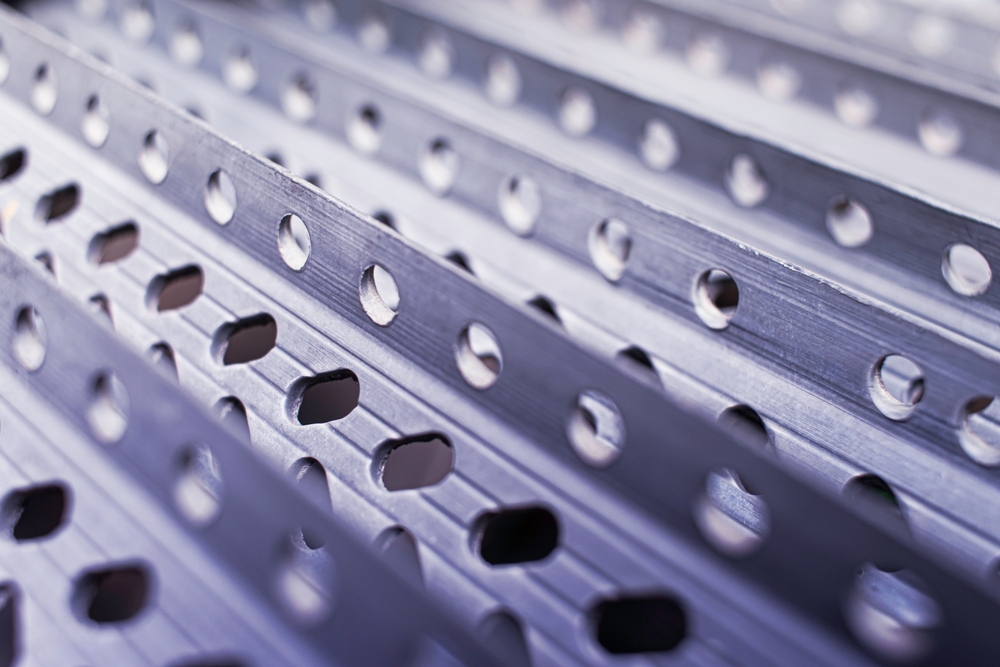

Corner profiles are structural elements typically used on wall corners, ceilings, and floors that enhance the aesthetic appearance of buildings while also providing durability. Corner profiles help prevent damage to corners in both indoor and outdoor spaces, thereby contributing to the longevity of buildings. Manufactured from various materials such as aluminum, plastic, and stainless steel, corner profiles come in a variety of types to meet different needs. The most common types include PVC corner profiles, aluminum corner profiles, stainless steel corner profiles, and decorative corner profiles. Each offers different advantages depending on the application and design requirements.
What Is a Corner Profile?
A corner profile is a specialized structural element used in the construction and decoration industries to protect the corners of buildings, provide an aesthetic appearance, and enhance structural integrity. Corners—where different surfaces such as walls, ceilings, and floors meet—can wear down or become damaged over time due to various external factors and impacts. Corner profiles help prevent this type of wear and tear, contributing to the durability and longevity of structures. At the same time, they provide a smooth and elegant finish, enhancing the aesthetic appeal of both interior and exterior spaces.
Corner profiles can be manufactured from various materials and offer different advantages depending on the material used. For example, PVC corner profiles provide a flexible and cost-effective solution, while stainless steel corner profiles offer long-lasting and durable protection, especially in humid environments. Aluminum corner profiles, on the other hand, are frequently chosen for decorative purposes in interior spaces due to their light weight and modern designs.
Corner profiles not only provide durability but also play an important role in aesthetics. When used decoratively with a variety of color and pattern options, they blend seamlessly with the overall atmosphere of a space, creating a stylish and modern look. Frequently used in interior design, these profiles help create clean, sharp lines, particularly in modern and minimalist designs.
What Are the Different Types of Corner Profiles?
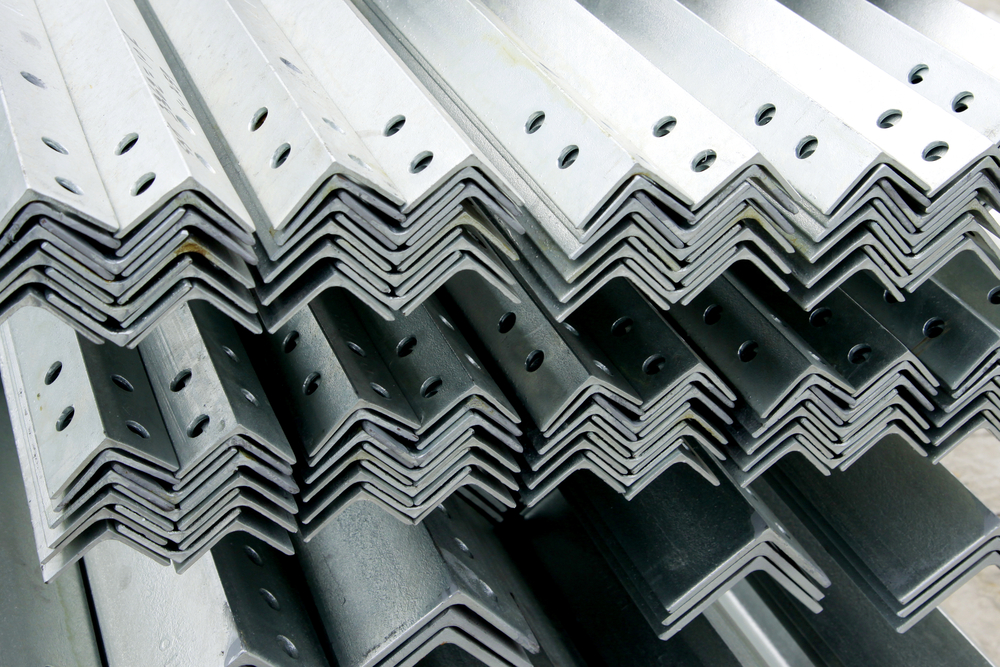
Corner profiles are manufactured in various types based on their material composition and intended applications, offering a wide range of uses in construction and decoration projects. These types are determined according to the needs of the structures, and each provides distinct advantages in terms of durability, aesthetics, and functionality. One of the most common types of corner profiles is PVC corner profiles. Made from PVC, these profiles are typically preferred for interior applications due to their flexibility and cost-effectiveness. Thanks to their lightweight construction, they are easy to install and are used primarily on interior wall corners to protect them from impacts. Additionally, the moisture and water resistance of PVC profiles allows them to be used safely in damp areas such as bathrooms and kitchens.
Another common type of corner profile is stainless steel corner profiles. Known for their durability and corrosion resistance, these profiles are particularly preferred for outdoor use and in areas exposed to harsh weather conditions. Their high resistance to rust in humid environments makes these profiles a long-lasting and robust solution. Additionally, stainless steel corner profiles—which are frequently used in industrial structures—provide significant protection in workplaces where hygiene and cleanliness are essential.
Aluminum corner profiles, on the other hand, are popular for both indoor and outdoor use due to their light weight, modern appearance, and corrosion resistance. Thanks to aluminum’s lightweight nature, installation is easy, and these profiles are frequently chosen for minimalist and modern architectural designs. The wide range of color and finish options makes aluminum profiles suitable for decorative purposes as well. They are often used in interior design to create clean, sharp lines at the junctions of walls, ceilings, or floors.
Finally, decorative corner profiles, produced for aesthetic and decorative purposes, are also widely used. In addition to their standard functional features, these profiles offer a variety of color, pattern, and finish options to complement the overall atmosphere of a space. Used to emphasize elegance and sophistication in interior spaces, these profiles stand out as a decorative element, particularly in hotel, restaurant, office, and residential projects. Additionally, finishes such as gold, silver, and bronze can be used to achieve different looks and add a touch of luxury to spaces.
In conclusion, the types of corner profiles vary depending on the material, design, and intended application. PVC, stainless steel, aluminum, and decorative corner profiles enhance both the functionality and aesthetic appeal of a structure, while each offers solutions tailored to different needs. These profiles not only increase the durability of structures but also contribute to a more stylish and modern look in architectural designs.