
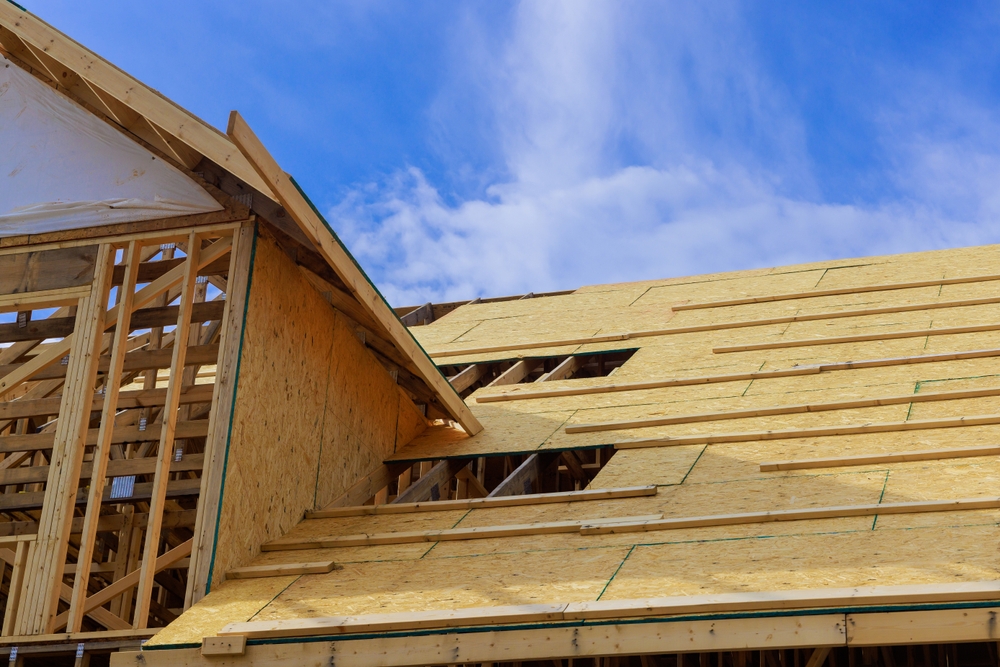

Roofing is an important construction process carried out to protect a building’s roof from external factors, provide insulation, and enhance its aesthetic appeal. When performed with the right materials and professional craftsmanship, roofing extends the building’s lifespan, improves energy efficiency, and protects the structure from adverse weather conditions. So, how is the roofing process carried out? In this article, we’ve compiled the steps of this process and the key points to keep in mind for you.
What Is Roofing?
Roofing is an important structural element installed to protect a building’s roof from external factors and to insulate interior spaces from water leaks and the adverse effects of weather conditions such as wind, snow, and hail. It also improves the building’s overall energy efficiency by enhancing thermal and acoustic insulation. Roofing also contributes to the building’s aesthetic appearance, thus serving both a functional and decorative role.
Roofing materials are selected based on various factors, such as the building’s geographic location, climatic conditions, architectural design, and the building owner’s aesthetic preferences. Options include materials such as clay tiles, metal, shingles, and membranes, each with its own unique advantages. For example, clay tile roofing is known for its durability, while metal roofing is lighter and has a longer lifespan.
The roofing process is a procedure that must be meticulously planned and carried out by a professional team. Selecting the right materials, properly preparing the substructure before installation, carrying out the installation using the correct techniques, and performing regular maintenance afterward ensure that the roof will have a long service life. A well-installed roof not only extends the life of the building but also reduces costs in the long term by promoting energy efficiency. For this reason, the roofing process should be viewed as an investment that requires careful attention at every stage.
How Is Roofing Done?
The roofing process is a procedure that requires careful planning and professional execution. Below is a step-by-step guide on how to install a roof:
Preparation Phase
Assessment and Planning: The first step is to evaluate the condition of the existing roof and the scope of the work to be done. The appropriate materials are selected based on the roof’s pitch, the existing roofing material, and the overall condition of the structure.
Permits and Approvals: If the roofing project involves major changes, it may be necessary to obtain the required permits from local authorities.
Safety Precautions: All necessary precautions must be taken to ensure the safety of workers during roofing work. Safety equipment and protective gear must be provided.
Removal of the Old Roofing
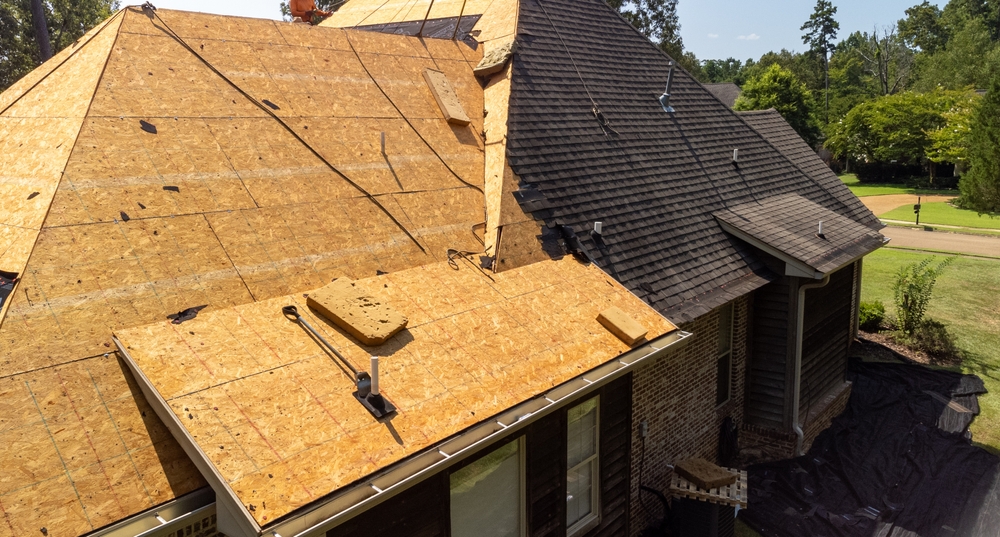
Removal of the Existing Roofing: The old and damaged roofing is carefully removed. This process is essential for the proper installation of the new roofing. The old roofing material is properly disposed of at designated waste sites.
Inspection of the Roof Frame: After the roof covering is removed, the roof frame is inspected. If rot, sagging, or other structural damage is detected, these issues are repaired or replaced.
Insulation and Waterproofing
Installation of Insulation Materials: Insulation materials are installed prior to roofing to enhance thermal and acoustic insulation. This helps retain heat inside the building by improving energy efficiency.
Installation of the Waterproofing Layer: To ensure waterproofing, waterproof membranes or layers are installed. This layer prevents rain, snow, and moisture from seeping into the interior.
Installation of the New Roofing Material
Selection and Installation of the Roofing Material: The selected roofing material (e.g., tiles, shingles, metal sheets) is secured to the roof frame. This step must be carried out with great care to ensure the material is properly positioned and secured.
Detail Work: Details requiring additional work in critical areas—such as the edges and corners of the roof and around the chimney—are completed. These areas require special attention to ensure waterproofing.
Final Inspection and Cleaning
Inspection of the Work: After the coating process is complete, the quality of the work is inspected. We ensure that all joints are secure and that the waterproofing function is fully effective.
Cleaning Up the Area: Construction debris, material scraps, and other waste generated during the roofing process are removed. The job is completed by cleaning the roof surface and the surrounding area.
Maintenance and Inspections
Periodic Maintenance: Regular maintenance is recommended to ensure the longevity of the roof covering. This maintenance includes removing debris such as leaves and snow that accumulates on the roof, inspecting for damage, and performing repairs as needed.
These steps outline the general process of roofing. Working with a professional team not only improves the quality of the work but also minimizes potential future problems.
Roofing is a vital structural element that ensures a building is durable, safe, and aesthetically pleasing. When done with the right materials and professional installation, roofing protects the building from external factors while also improving energy efficiency. Although the roofing process is complex and detailed, when carefully carried out by expert teams, it functions trouble-free for many years. For this reason, it is crucial for those considering having a roof installed to meticulously plan every stage of the process and work with experienced professionals in the field.