
Cladding systems, one of the indispensable elements of modern architecture, not only enhance the aesthetic appeal of buildings but also offer functional advantages such as energy efficiency and durability. Frequently chosen for large-scale commercial buildings and prestigious projects, these facade systems offer solutions to suit every taste with a variety of material and design options. In this article, we’ll explore what cladding facades are, the benefits they provide, and the most popular exterior cladding models.
What Is a Cladding Façade?
A curtain wall is an exterior cladding system used on the outer surfaces of buildings in modern architecture that offers both aesthetic and functional features. Typically constructed using materials such as glass, aluminum, composite panels, stone, and ceramic, these facades protect the building from external environmental conditions while also providing a striking architectural appearance. Curtain walls also incorporate important functional features such as thermal insulation, sound insulation, and waterproofing, thereby increasing the energy efficiency of buildings and improving indoor comfort.
These systems are frequently chosen, particularly for high-rise buildings, commercial structures, and prestigious projects. The flexibility they offer in architectural design, along with the ability to incorporate a variety of materials and color options, makes curtain walls an attractive choice for architects and engineers. Furthermore, thanks to their ease of maintenance and long-lasting construction, curtain walls are also considered a valuable long-term investment.
Cladding systems offer versatile solutions that can be used in both new projects and the renovation of existing buildings. For this reason, cladding systems stand out not only as an aesthetic touch but also as an element that enhances the technical performance and sustainability of buildings.
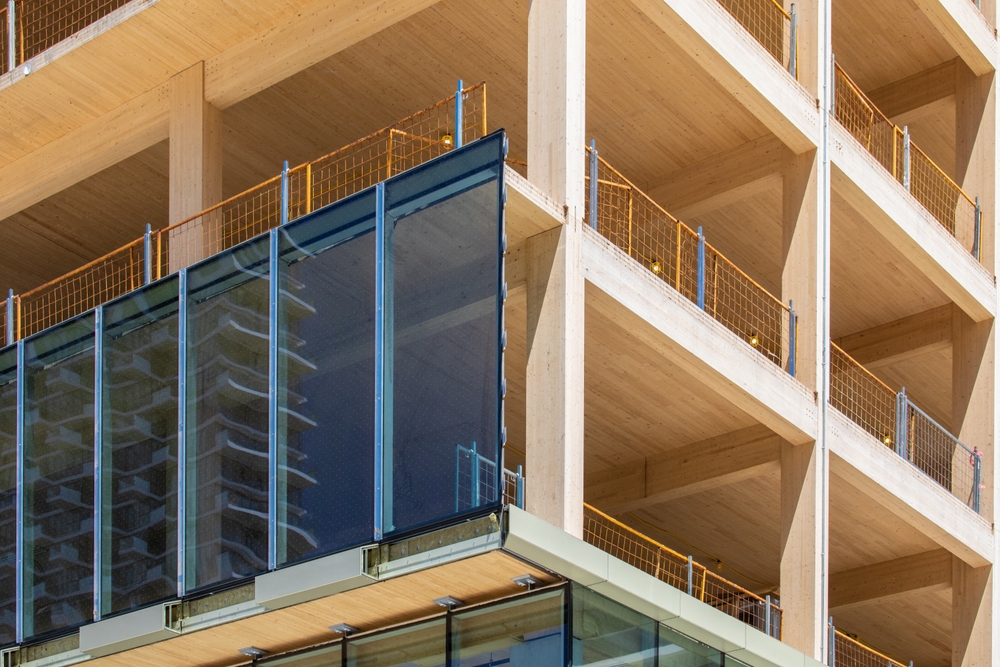
How Is a Cladding Facade Constructed?
The construction of a cladding facade is a meticulous process that combines aesthetics and functionality in architectural projects. The installation of this system is typically carried out through the following steps:
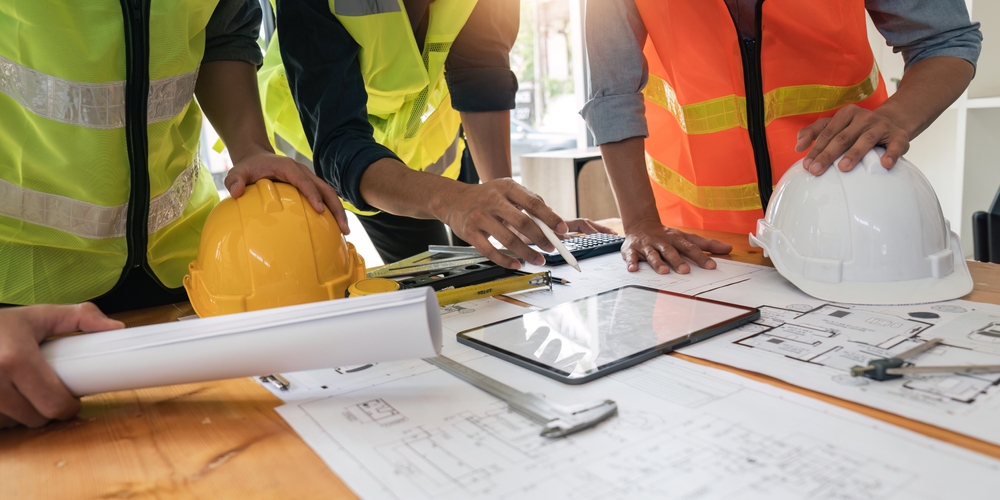
Design and Planning: The first step in constructing a curtain wall is developing the architectural design. During this phase, materials are selected to meet the building’s aesthetic and functional requirements. Plans are drawn up for how the curtain wall system will be installed, including the load-bearing structural elements and connection details. Engineering calculations are performed, and the curtain wall system’s structural, thermal, and acoustic performance is evaluated.
Preparation and Material Procurement: Once the design is approved, the necessary materials are procured. Cladding facades typically use glass, aluminum, composite panels, natural stone, or ceramics. Preparing these materials in the correct sizes and with the appropriate specifications is critical for the installation process to proceed smoothly. Additionally, the fasteners and support profiles to be installed on the facade are also procured during this phase.
Installation of the Support System: One of the most important steps in the construction of a curtain wall is the installation of the support system. This system is necessary to securely attach the curtain wall to the building structure. Steel or aluminum profiles are secured to the building facade. These profiles serve as the main structure onto which the facade elements will be mounted. The correct and secure installation of the support system is of vital importance for the safety and durability of the entire facade system.
Installation of Façade Elements: Once the support system is in place, the selected façade elements are mounted to it. Glass panels, aluminum sheets, composite panels, or other cladding materials are carefully positioned and secured to the support profiles. During installation, proper alignment of the materials and proper filling of the joints between them are important from both an aesthetic and functional standpoint.
Insulation and Soundproofing: One of the most important advantages of curtain walls is that they provide thermal and sound insulation. For this reason, insulation materials are also used during the installation process. Insulation materials are installed between the curtain wall and the structural system to prevent thermal bridges and improve energy efficiency. Special gaskets and sealants are also used to ensure waterproofing.
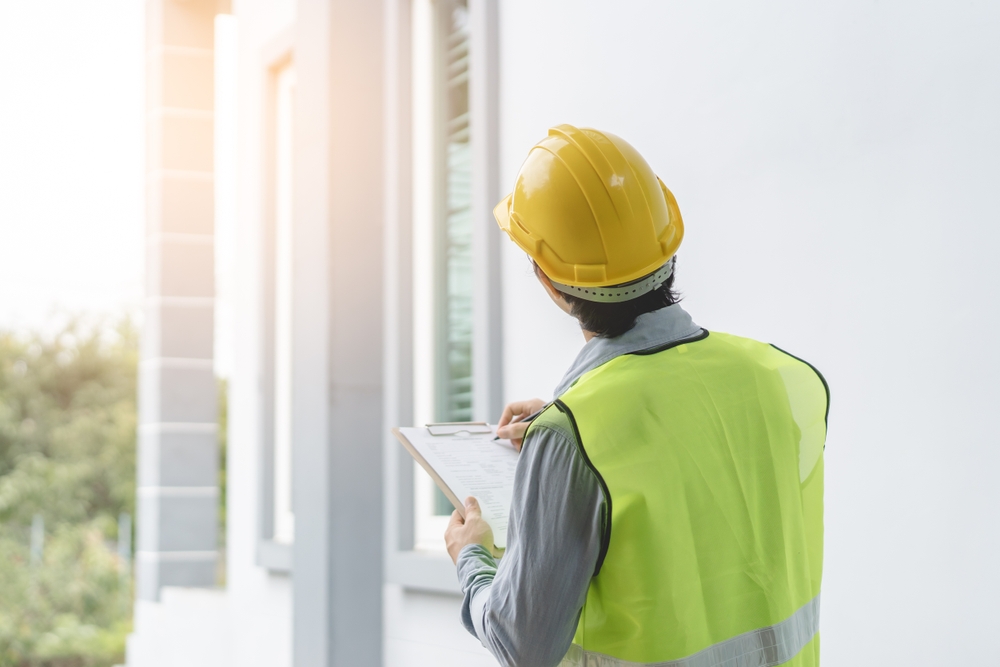
Inspections and Tests: Once the cladding facade installation is complete, the system’s performance is verified through various tests. Water tightness tests, wind load tests, and thermal performance tests are conducted to determine whether the facade system complies with design standards. Passing these tests is an indication that the facade system is durable and reliable.
Final Touches and Cleaning: Once installation and testing are complete, the final adjustments to the facade system are made. If any corrections are needed, they are made at this stage. The facade surfaces are cleaned, and the building is prepared for use.
The construction of a curtain wall is a process that requires expertise and demands careful planning and execution at every stage. The result is a durable and energy-efficient curtain wall system that delivers superior performance both aesthetically and technically.
Exterior Cladding Designs
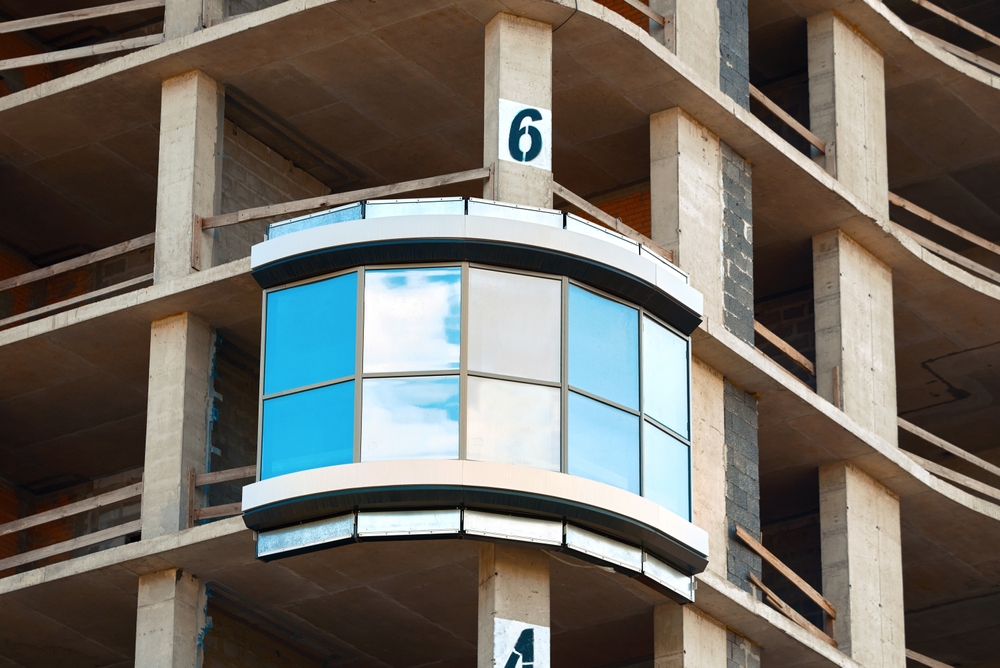
Exterior cladding systems are implemented using various materials and techniques to enhance the architectural style, aesthetic value, and technical performance of buildings. One of the most commonly used systems is glass curtain wall systems. These systems are ideal for structures that prioritize a modern and transparent appearance. Glass facades lend buildings an elegant appearance while also maximizing the amount of natural light entering interior spaces. Composite panel facade systems, on the other hand, are lightweight, durable, and offer a variety of color and pattern options from an aesthetic standpoint.
These panels are preferred in both new buildings and renovation projects. Natural stone cladding options, on the other hand, are ideal for projects aiming to achieve a traditional and luxurious look. Natural stones such as marble and granite lend buildings a prestigious and sturdy appearance. Aluminum facade systems also stand out for their durability, light weight, and ease of maintenance. These systems are particularly favored for high-rise buildings. Ceramic facade cladding offers flexibility in architectural design with a variety of patterns and color options, while also providing a long-lasting solution. Each exterior cladding model meets the aesthetic needs of buildings while offering functional advantages such as energy efficiency, durability, and ease of maintenance.