
Membrane is a term frequently used in construction and waterproofing technologies, and it plays a crucial role in protecting buildings and enhancing their durability. So, what is a membrane, and what does it do? A membrane is a thin, flexible layer—typically waterproof—used to protect various surfaces of buildings from water, moisture, and other external factors. Widely used in areas at high risk of water exposure—such as roofs, terraces, foundations, and basements—membranes prevent water from seeping into the structure, thereby extending the building’s lifespan and ensuring that interior spaces remain dry and healthy. In this blog post, we will discuss the types of membranes, their applications, and proper installation techniques in detail.
What Is a Membrane?
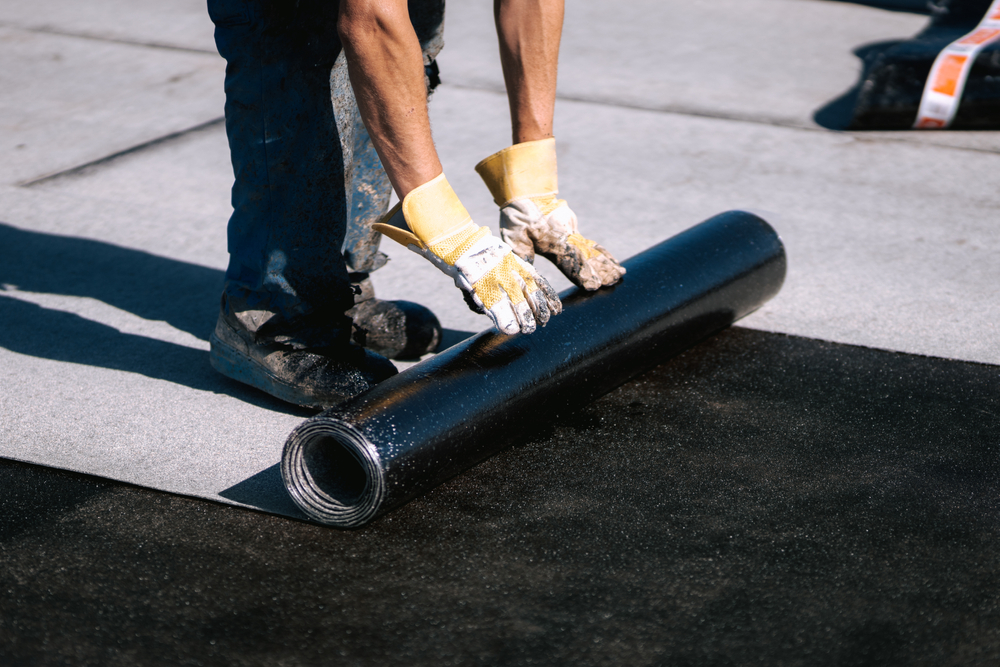
A membrane is a thin, flexible layer of material that plays a critical role in construction and waterproofing. Its primary purpose is to protect various surfaces of buildings from water, moisture, and other external factors. Thanks to their waterproof properties, membranes enhance the durability of structures and ensure that interior spaces remain dry. Widely used on roofs, foundations, terraces, basements, and pools, membranes prevent water from seeping into the structure, thereby preventing damage and moisture problems. Available in various types—such as bituminous, PVC, EPDM, and TPO—membranes stand out for their flexibility and durability. Each type delivers high performance in specific application areas. The proper selection and installation of membranes ensure that structures remain long-lasting and safe. For this reason, the use of membranes in waterproofing projects is of vital importance for the protection and sustainability of structures.
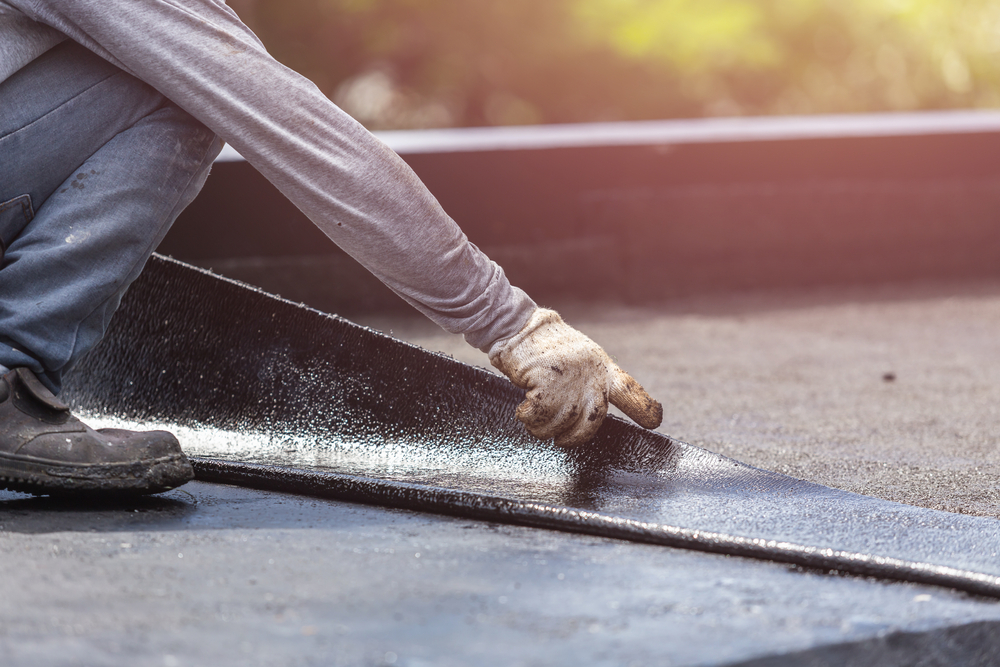
What Is a Membrane Used For?
Membranes play a crucial role in the construction and waterproofing sectors; they protect buildings from water, moisture, and other external factors. Its primary purpose is to prevent water from seeping into the structure, thereby extending the structure’s lifespan and ensuring that interior spaces remain dry and healthy. This protective layer is widely used in areas at high risk of water exposure, such as roofs, foundations, terraces, basements, and pools.
Basic Functions of Membranes
Waterproofing: The most important function of membranes is waterproofing. Thanks to their waterproof structure, they prevent water from seeping into buildings. This is particularly vital in areas exposed to the elements, such as roofs and terraces.
Moisture Control: Membranes prevent moisture from penetrating building components, ensuring that interior spaces remain dry. This prevents the growth of mold and mildew and helps buildings provide a healthy living environment.
Durability and Protection: Membranes are resistant to various weather conditions, UV rays, and chemicals. Thanks to these properties, they ensure that structures have a long service life and are protected from external factors.
Energy Efficiency: Certain types of membranes can improve energy efficiency through their reflective properties. White or light-colored membranes, in particular, reduce cooling costs for buildings by reflecting sunlight.
Flexibility and Ease of Application: Thanks to their flexible structure, membranes can be easily applied to various surfaces. This feature makes them easy to use in different parts of a building and offers a wide range of applications.
Applications of Membranes
Roofs: By preventing water from seeping in, they protect interior spaces and extend the life of roofing materials.
Foundations: Waterproofing the foundations prevents groundwater from damaging the structure.
Terraces: Prevents water from pooling on terraces and reduces the risk of structural damage.
Basements: By preventing moisture and water from entering the basement, they ensure a dry and healthy environment.
Pools: By ensuring watertightness in pools, it prevents water loss and environmental damage.
In conclusion, membranes play a critical role in protecting buildings from water and moisture. Selecting the right type of membrane and installing it properly ensures that buildings are long-lasting, durable, and energy-efficient. For this reason, the use of membranes in waterproofing projects is of great importance for the protection and sustainability of buildings.