
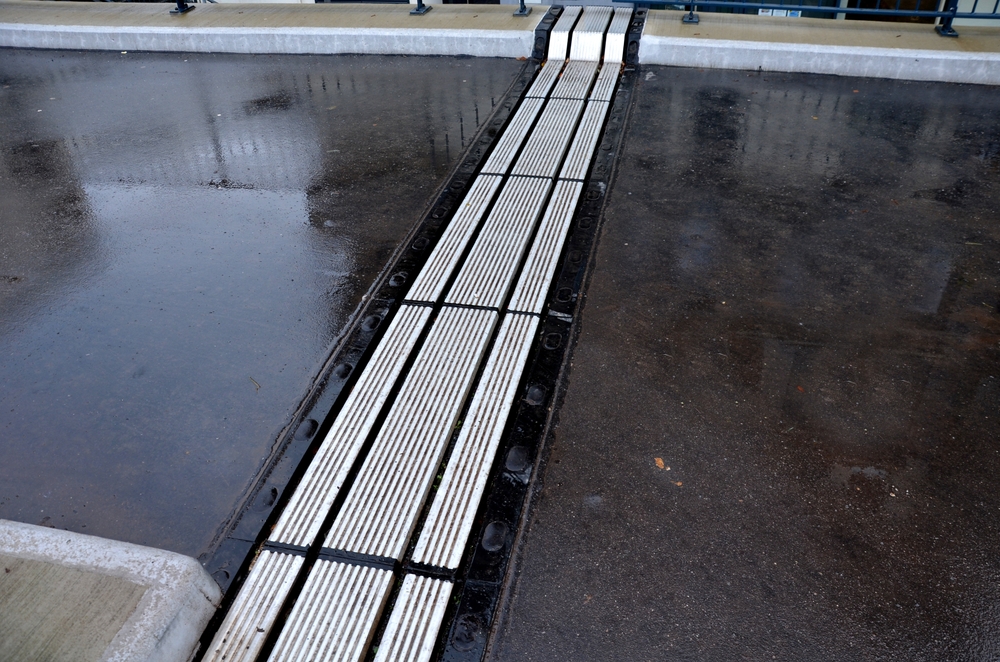

In construction projects, various techniques and materials are used to ensure the durability and longevity of structures. One of these techniques is the use of expansion joints. So, what is an expansion joint? Expansion joints are gaps or seams designed to allow different parts of a building to move independently. These joints allow structures to absorb stresses caused by thermal expansion, contraction, and other physical movements. Expansion tape, which comes into play at this point, fills these gaps, providing both waterproofing and helping to ensure that movements occur safely. Expansion tapes are considered key to building safety and structural integrity and are an indispensable part of modern construction.
What Is Expansion?
In construction, expansion joints are gaps or joints designed to allow different parts of a structure to move independently of one another. These joints help buildings absorb the stresses and strains caused by physical changes such as thermal expansion, contraction, and ground movements. Expansion joints are widely used, particularly in large structures, bridges, roads, and tunnels. This minimizes the risk of cracks, deformation, or damage that may occur over time, thereby enhancing the safety and durability of buildings and structures. Expansion joint applications are considered one of the fundamental elements of modern civil engineering.
What Is a Dilation Band?
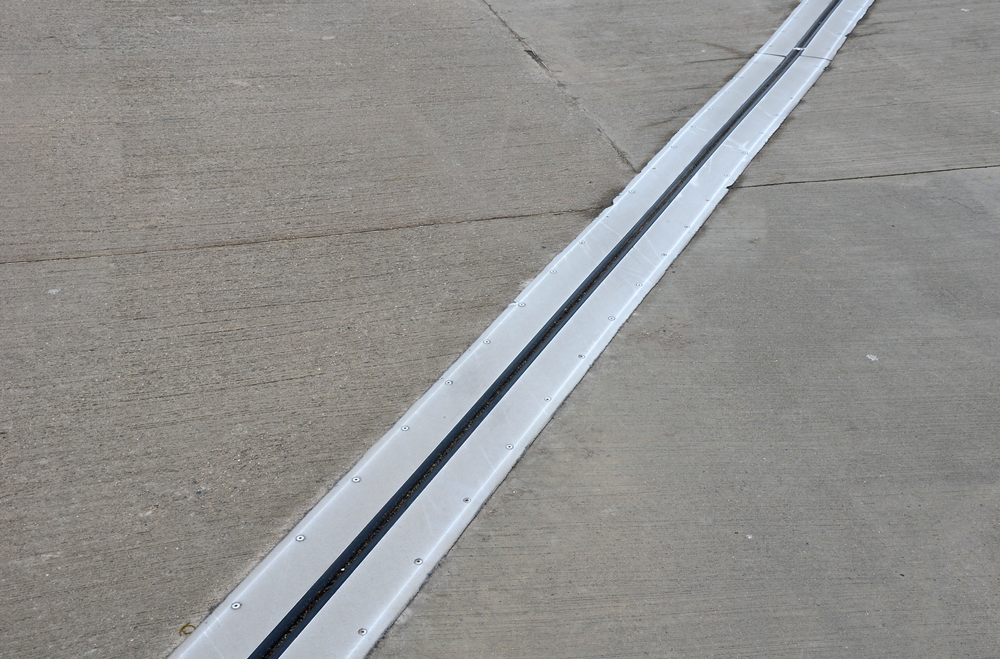
Expansion tape is a flexible material used in the construction industry to fill and protect expansion joints. These tapes help protect expansion joints—which are created to allow different parts of a structure to move independently of one another—from water, dust, and other external factors.
Expansion joints are typically made of elastomeric materials and offer a high degree of flexibility and durability. Thanks to these properties, they absorb the expansion and contraction movements of the structure while also ensuring the watertightness of the joints. In addition, expansion joints help ensure the longevity and safety of structures by reducing stresses caused by thermal expansion, contraction, vibration, and other dynamic loads.
The use of expansion joints is widespread, particularly in large structures, bridges, tunnels, and industrial facilities. These joints allow different parts of buildings to move freely, thereby preventing cracks, deformation, and other structural damage.
How Is Dilatation Performed?
The installation of expansion joints is a process that is carefully planned and executed in construction projects to ensure the durability and safety of structures. Here are the steps involved in installing expansion joints:
Planning and Design: The locations of expansion joints are determined by engineers and architects based on the building plans. Building corners, long walls, large floor areas, and the junctions of different building sections are typically suitable locations for expansion joints.
Preparation: The areas where the expansion joints will be cut are cleaned and cleared of any obstacles or debris. The necessary measurements are taken to ensure that the joints are cut straight and to the correct size.
Opening Joints: Expansion joints are opened at designated points using appropriate equipment. The width and depth of the joints are adjusted according to the structure’s requirements and potential for movement.
Installation of Expansion Tapes: Expansion tapes are installed within the joints. These tapes are made of flexible and durable materials and provide waterproofing while absorbing joint movement. The tapes are securely adhered to both sides of the joint and installed properly.
Filling and Surface Finishing: After the expansion joint tape is installed, the gaps around the joints are filled with appropriate filling materials. These filling materials create a watertight surface around the tape. Once the surface finishing is complete, the area around the joints is smoothed out to achieve an aesthetically pleasing appearance.
Inspection and Maintenance: Once the expansion joint installation is complete, it is important to inspect it regularly and perform maintenance as needed. This ensures that the joints and tapes remain functional and contributes to the structure’s longevity.
The expansion process requires the right materials and careful workmanship. Each of these steps ensures that the structure is resistant to movement and durable.
Expansion joints and expansion joint tapes, as indispensable elements of modern construction technology, are of great importance for the durability and safety of structures. While expansion joints allow different sections of a building to move independently, expansion joints ensure that these joints are protected from water, dust, and other external factors. These applications help structures remain durable and long-lasting by absorbing stresses caused by physical changes such as thermal expansion, contraction, and ground movements. The use of expansion joints and expansion joint tapes in construction projects is one of the keys to building safe and durable structures for the future. Therefore, paying due attention to expansion joint applications and using the correct materials plays a critical role in maintaining structural integrity.