
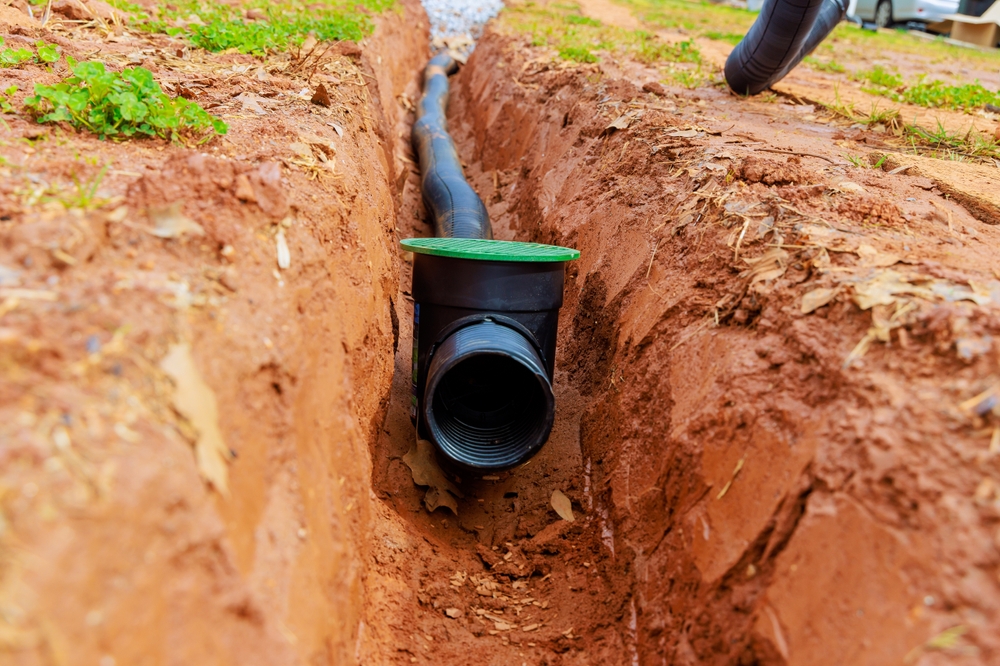

Drainage is one of the fundamental elements of construction and landscaping projects and plays a vital role in water management and control. So, what is drainage, and why is it so important? Drainage is a system that ensures water accumulating on the surface or underground is safely removed through specific channels and pipes. These systems can be created through both natural and artificial means and help remove water from buildings, roads, agricultural fields, or gardens. Drainage systems protect structures and vegetation by preventing water from accumulating. In this blog post, we will take a detailed look at what drainage is, how it works, and how to install an effective drainage system.
What Is Drainage?
Drainage is a critical system used for water management and control in civil and landscape engineering. Simply put, drainage refers to the set of methods and structures that ensure the safe removal of water accumulating on the surface or underground through specific channels, pipes, or ditches. These systems protect both the natural and built environments by preventing water accumulation.
Drainage systems can be classified in various ways. Surface drainage uses sloped surfaces, ditches, and open channels to quickly remove water from the surface. This system prevents the accumulation of rainwater and snowmelt and stops surface runoff from spreading uncontrollably. Surface drainage is commonly used on farmland, sports fields, and along roadsides.
Subsurface drainage, on the other hand, removes water from beneath the soil. This system includes components such as perforated pipes, drainage channels, and seepage ditches. Subsurface drainage prevents the soil from becoming waterlogged, thereby preventing plant roots from rotting and helping to protect building foundations from water damage. It is of vital importance, particularly in protecting basements and building foundations.
The importance of drainage lies in its ability to prevent water accumulation, thereby ensuring that structures and the surrounding environment remain durable and long-lasting. Water accumulation can lead to the weakening of building foundations, the deterioration of roads, and the loss of productivity in agricultural land. For this reason, an effective drainage system must be properly designed and implemented to control and remove water.
In conclusion, drainage systems are essential for water management and control. The proper use of both surface and subsurface drainage systems helps protect structures and the environment by preventing water accumulation and the damage it can cause. Drainage is a critical engineering solution for minimizing the negative effects of water on nature and structures.
How Is the Drainage Process Performed?
Drainage is an important construction and landscaping activity that involves controlling water flow to divert it away from unwanted areas. Here is a detailed explanation of how the drainage process is carried out step by step:
Needs Analysis and Planning: The area where the drainage system will be installed must be carefully analyzed. At this stage, areas where water accumulates, soil structure, slope, and existing water flow paths are evaluated. The needs analysis is critical for determining which type of drainage system to use.
Determining the Type of Drainage System: There are two main types of drainage: surface drainage and subsurface drainage. Surface drainage uses ditches, open channels, and sloped surfaces to quickly remove water that accumulates on the surface. Subsurface drainage, on the other hand, involves structural elements such as perforated pipes and seepage ditches to remove water from beneath the ground.
Procurement of Necessary Materials: The materials required for the drainage process must be procured. For surface drainage, open channels, ditches, and covers are required; for subsurface drainage, perforated drainage pipes, geotextile liners, filter materials, and backfill materials are required.
Excavation: Excavation is carried out in the areas where drainage pipes or channels will be installed. The depth and width of the excavation are determined based on the water table and the design of the drainage system. In surface drainage, ditches and open channels are dug, while in subsurface drainage, trenches are dug for the pipes.
Slope and Installation: Excavated ditches or channels are constructed with an appropriate slope to allow water to flow freely. In surface drainage, channels with a proper slope accelerate water flow. In subsurface drainage, pipes are installed at a slope to allow water to be carried away by gravity.
Installation of Drainage Pipes or Channels: In subsurface drainage, perforated drainage pipes are placed in trenches and wrapped with geotextile liners. These liners prevent the pipes from clogging and allow water to flow through. In surface drainage, trenches or open channels are dug to ensure that water flows away without pooling.
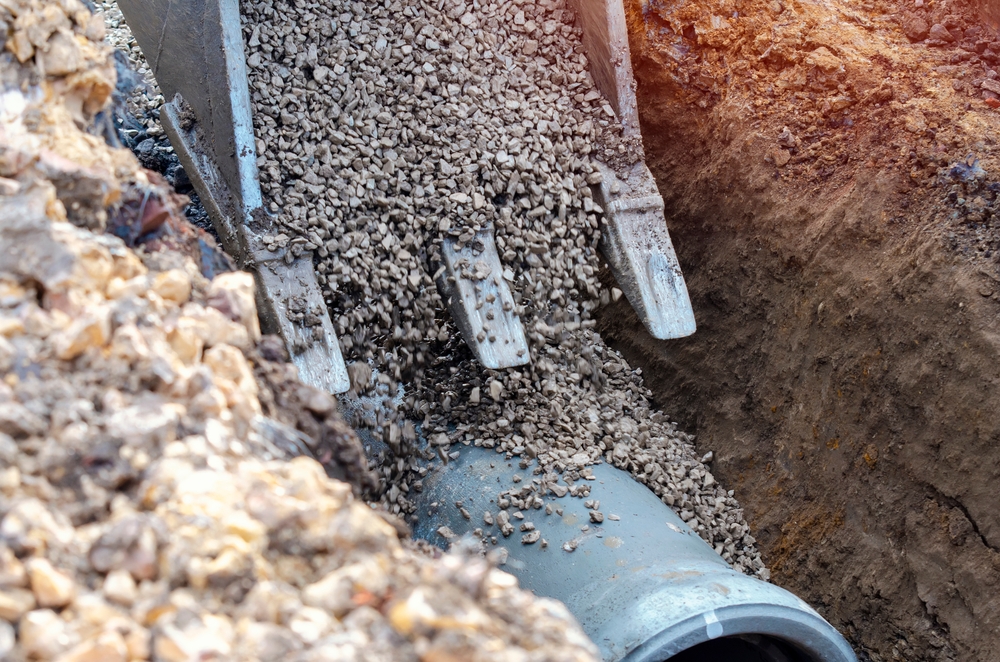
Backfilling and Compaction: After the drainage pipes or channels are installed, the trenches are filled with appropriate backfill materials. These backfill materials allow water to seep into the drainage system and also help keep the pipes or channels securely in place. The backfill materials are compacted to create a level surface.
Surface Treatment and Finishing: Once the drainage system is complete, surface treatment is performed. In surface drainage, the trenches are backfilled and the surface is graded. In subsurface drainage, once the backfilling is complete, the surface is leveled and landscaping is carried out.
Inspection and Maintenance: Regular inspections should be conducted to ensure the drainage system is functioning properly. If blockages or damage are detected, immediate action should be taken. Regular maintenance ensures the drainage system has a long service life.
Drainage is vital for controlling water and preventing it from causing damage in unwanted areas. With proper planning, the right choice of materials, and careful installation, an effective drainage system can be established.