
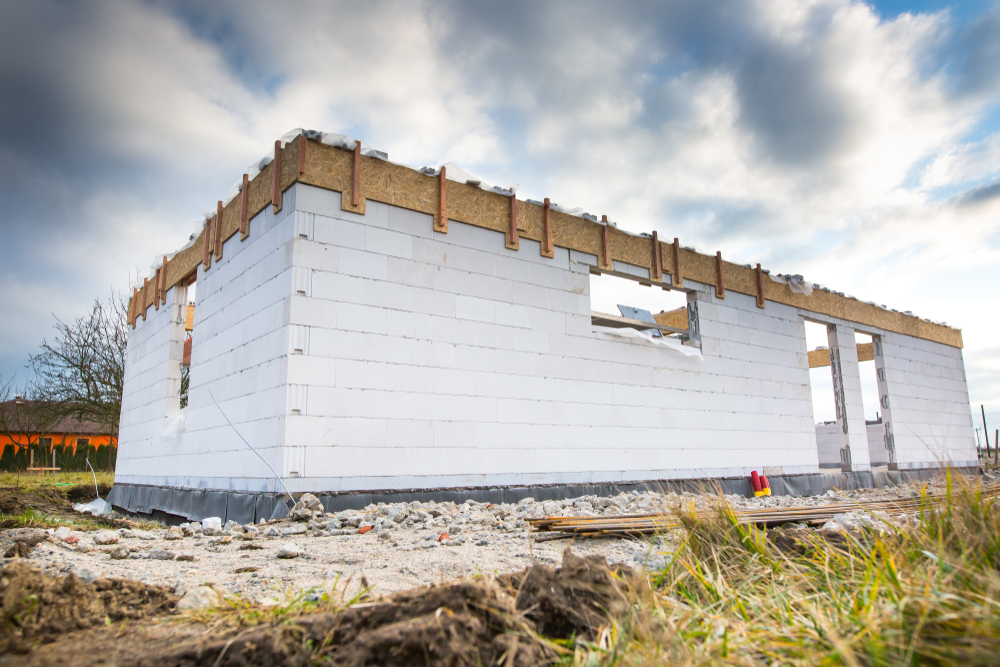

Structural work refers to the fundamental structural components of a building’s construction process. This phase includes tasks such as laying the foundation, erecting walls, constructing the roof, and building other major structural elements. While structural work forms the building’s framework and basic outline, it does not include finishing work such as electrical and plumbing systems or interior decoration. So, what is rough construction? How is the cost of rough construction calculated? Let’s take a closer look together.
What Is Rough Construction?
Structural work refers to the most fundamental and structural phase of a building or construction project. This process includes laying the building’s foundation, erecting walls, constructing the roof, and installing the main load-bearing systems (columns and beams). While it primarily establishes the structure’s framework and basic outline, it does not include finishing work such as interior finishing, detailed decoration, or final coat of paint. Structural work forms the foundation for a building’s overall durability, safety, and structural integrity, and is therefore of great importance in terms of material quality, workmanship, and technical practices. Once this phase is completed, the building essentially appears finished from the outside and is ready for the subsequent phases of construction: finishing work and interior design. Rough construction is the foundation of any building project and has a decisive impact on the structure’s long-term performance.
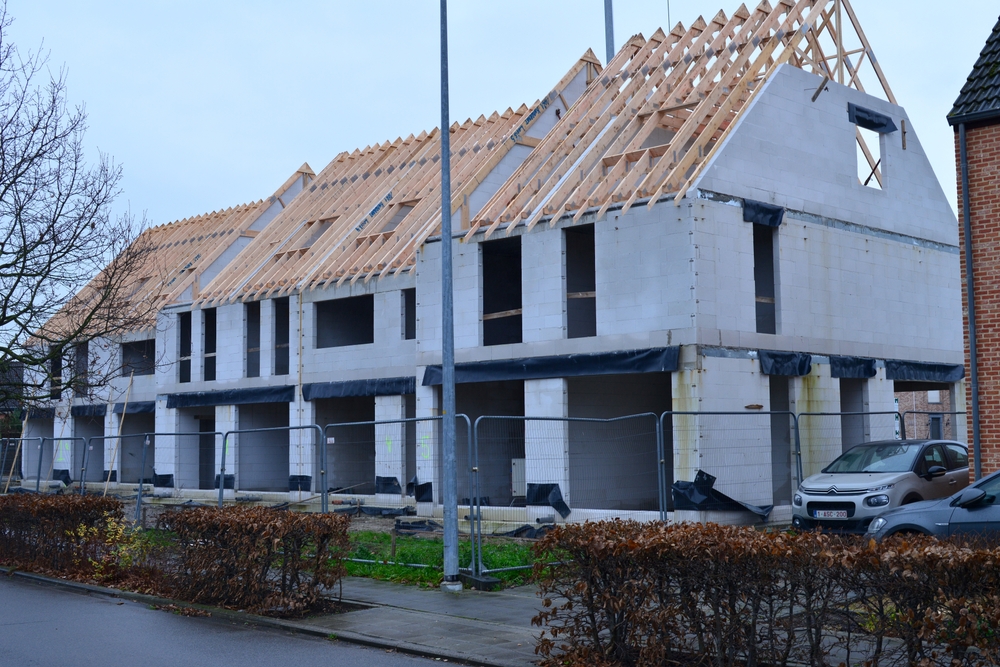
What Are the Stages of Rough Construction?
Structural work involves the most fundamental and critical stages of a building’s construction process. This process encompasses the construction of the main structural elements that make up the building. Here are the key stages of structural work:
Foundation Laying
The foundation excavation required for the building is carried out.
The type of foundation is determined based on the bearing capacity of the soil (strip foundation, raft foundation, etc.).
Foundations are laid by pouring concrete.
Construction of Columns and Beams
The columns and beams, which are the structure’s main load-bearing elements, are constructed.
This stage involves the construction of the structural framework that will support the building’s static loads.
Wall Construction
Interior and exterior walls are built.
This phase involves the construction of the walls that surround the structure and divide the interior space.
Roof Construction
The roof frame is erected and covered with roofing material.
The roof protects the building from external factors (rain, snow, sun, etc.).
Intermediate Floor Slabs
Intermediate floor slabs are constructed for multi-story buildings.
Reinforced concrete slabs form the floors between the building’s stories.
Staircase Construction
Indoor and outdoor staircases are built.
Staircases provide access between floors.
Rough Concrete Work
The foundation concrete work for reinforced concrete structures is completed.
This phase strengthens the building’s structural integrity.
Installation of the Necessary Infrastructure Systems
Installation of basic utilities such as water, electricity, and natural gas.
These installations are then completed during the finishing phase.
The rough construction phase is critical to the structural safety and durability of a building. For this reason, the quality of the materials used and the accuracy of the workmanship during this phase are of great importance. Once rough construction is complete, the building has acquired its basic structural characteristics and is ready to move on to the finishing phase.
How Is the Cost of Rough Construction Calculated?
Calculating the cost of rough construction is a detailed process based on a number of critical factors. The first step is to determine the total size of the structure to be built, which is typically calculated in square meters or cubic meters and forms the basis of the cost. Second, the type and quality of the materials to be used are of great importance. The costs of structural materials such as concrete, brick, and steel can significantly impact the overall budget.
Labor costs are also an important part of the calculation, and these costs vary depending on the project’s location and the number of labor hours required. Factors such as the number of floors in the building, its planned structural features, and the complexity of the design also affect the cost. Additionally, it is important to include a margin for unexpected situations or additional work that may arise during construction to minimize potential surprises.
For example, suppose you want to build the rough structure of a 150-square-meter house. Based on local construction costs, you can determine an average cost per square meter. Let’s say this cost is $600; in this case, the total cost of the rough construction would be calculated as 150 square meters × $600 = $90,000. This calculation should include labor, material costs, and additional expenses.
When calculating the cost of rough construction, carefully considering all project details and local market conditions is the key to effective budget management. Additionally, setting aside extra funds for unexpected expenses helps ensure the project proceeds smoothly and prevents financial surprises.