

Sound insulation refers to measures taken to prevent unwanted sounds from traveling from one area to another. It aims to both reduce noise coming from outside and prevent sounds from inside a space from leaking out. The importance of sound insulation is particularly evident in noisy urban environments or in multi-story buildings. So, what is effective sound insulation? How is sound insulation implemented? In this blog post, we’ll take a detailed look at the materials used for sound insulation, installation methods, and how sound insulation contributes to quality of life.
What Is Sound Insulation?
Sound insulation refers to measures taken to reduce or block unwanted sounds inside or outside a building. Sound insulation, which provides noise control, not only improves sound quality inside the building but also prevents outside noise from entering the building.
Sound insulation is typically achieved by using materials that block the propagation of sound waves or absorb sound energy. These materials can be integrated into structural elements such as walls, ceilings, floors, and doors. The primary purpose of sound insulation is to create a comfortable and peaceful living or working environment. Good sound insulation is particularly important for people who live in noisy environments or engage in sensitive work.

How Is Sound Insulation Installed?
There are some basic steps to follow and materials to use when installing sound insulation. Here are some methods you can use for sound insulation:
Using Sound-Absorbing Materials: Sound-absorbing materials reduce noise by absorbing sound waves. For example, acoustic foam panels, wool, or special acoustic fabrics can be used for this purpose. These types of materials can be applied to walls, ceilings, or floors.
Creating Solid Barriers: Sound waves have difficulty passing through solid objects. For this reason, solid structures—such as soundproof walls or extra-thick doors—are effective for sound insulation. These structures prevent sound waves from propagating within a room or building.
Floating Floor Systems: Special floating structures can be used for floors. These structures are created by adding an insulation layer between the floor covering and the subfloor. This layer significantly reduces sound transmission through the floor.
Sealing: Sealing materials can be used to prevent sound from leaking through areas such as door and window frames. Specialized soundproofing tape, rubber gaskets, or expandable foam spray are ideal for preventing such leaks.
Double-Pane Windows: Double-pane or even triple-pane windows can be used to reduce outside noise. The air gap between these panes makes it harder for sound waves to pass through, providing effective sound insulation.
Sound Barriers: Sound barriers can be an effective solution, especially for high-noise areas. These barriers are primarily used in outdoor settings, such as highways or railways.
The steps listed above can generally be made more effective through a professional approach and the selection of the right materials. Sound insulation should be determined based on the characteristics and requirements of the space in question. For this reason, it may be helpful to conduct an acoustic analysis of the space and seek professional consultation before beginning a sound insulation project.
What Materials Are Used for Sound Insulation?
Materials used in sound insulation vary in their ability to absorb, reflect, or block sound waves. Among these materials are acoustic foams; these foams absorb sound waves, thereby reducing reverberation, particularly in studios and radio rooms. Acoustic panels, on the other hand, offer both a functional and decorative solution thanks to their sound-absorbing properties and a variety of color and pattern options. Solid walls and floor coverings made of heavy, dense materials physically block the passage of sound waves.
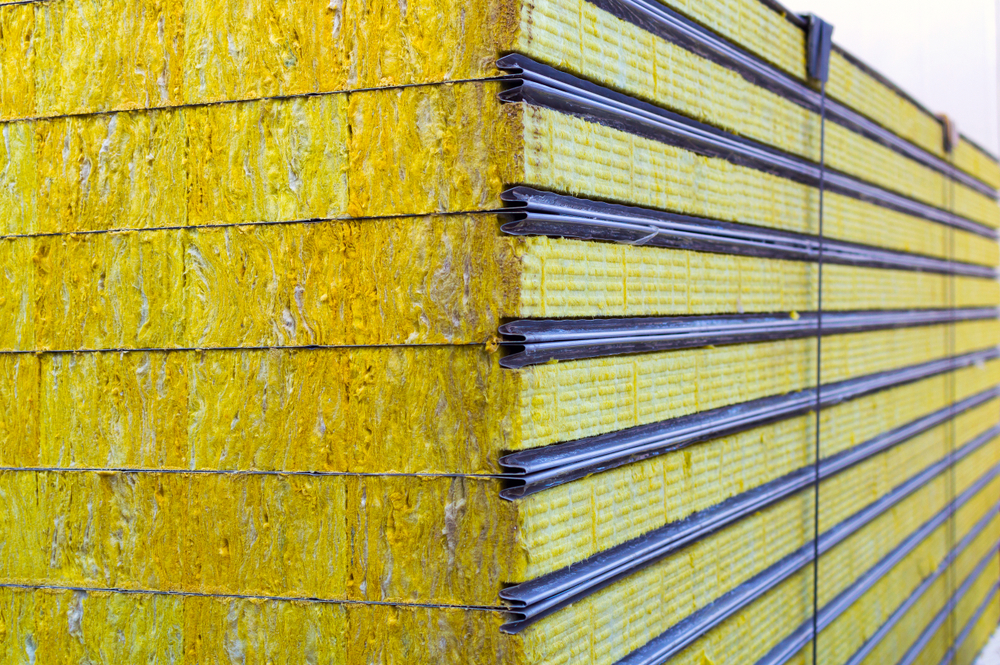
Floating floor systems minimize the transmission of sound through contact with the floor, while materials such as mineral wool provide a high degree of sound absorption within walls and suspended ceilings. Elastomeric insulation materials and soundproofing barriers are particularly effective in high-noise areas. Additionally, weatherstripping used on door and window frames, along with double- or triple-pane windows, help protect the space from external noise. The proper selection and installation of these materials are critical to achieving sound insulation goals.
Sound insulation is vital for reducing the effects of noise and improving acoustic quality in both workplaces and living spaces. Whether the goal is to block out external noise or reinforce sound barriers within a space, effective sound insulation can be achieved through the selection of the right materials and professional installation techniques. From acoustic foam to solid walls, and from floating floor systems to double-pane windows, sound control through various methods helps create a more peaceful and productive environment. Sound insulation plays an important role not only in ensuring individual comfort and tranquility but also in improving overall quality of life.