
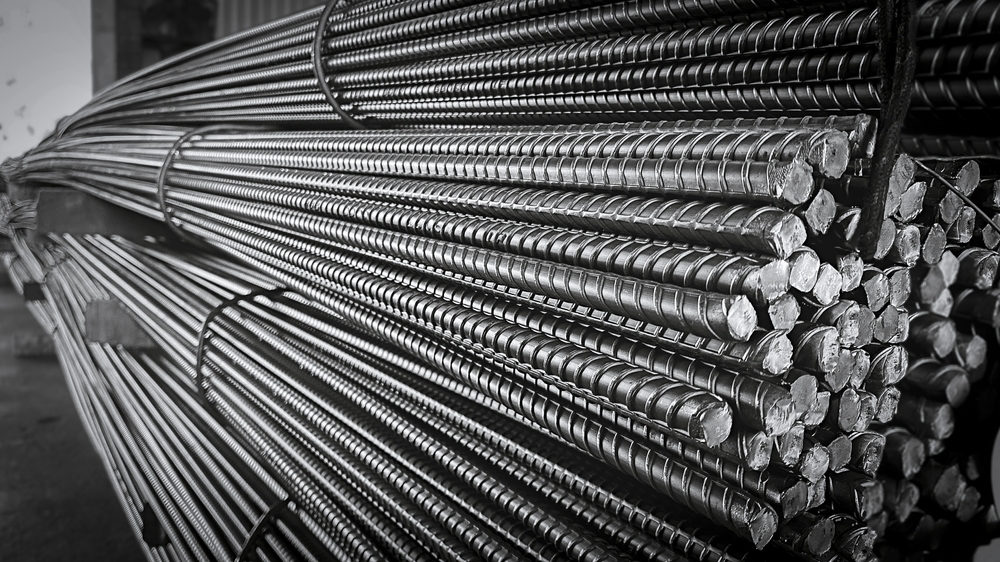

Steel, one of the first materials that comes to mind when discussing strength and durability in the construction industry, ensures the safety of structures through its use in various forms. Among these forms, ribbed steel plays a particularly important role in reinforced concrete structures. Thanks to its special patterns and grooves, ribbed steel grips the concrete more firmly, making structures more resistant to external forces such as earthquakes. So, what exactly is ribbed rebar, and how is it used in construction projects? In this article, we’ll take a detailed look at everything from the technical specifications of ribbed rebar to how it’s applied in construction.
What Is Ribbed Rebar?
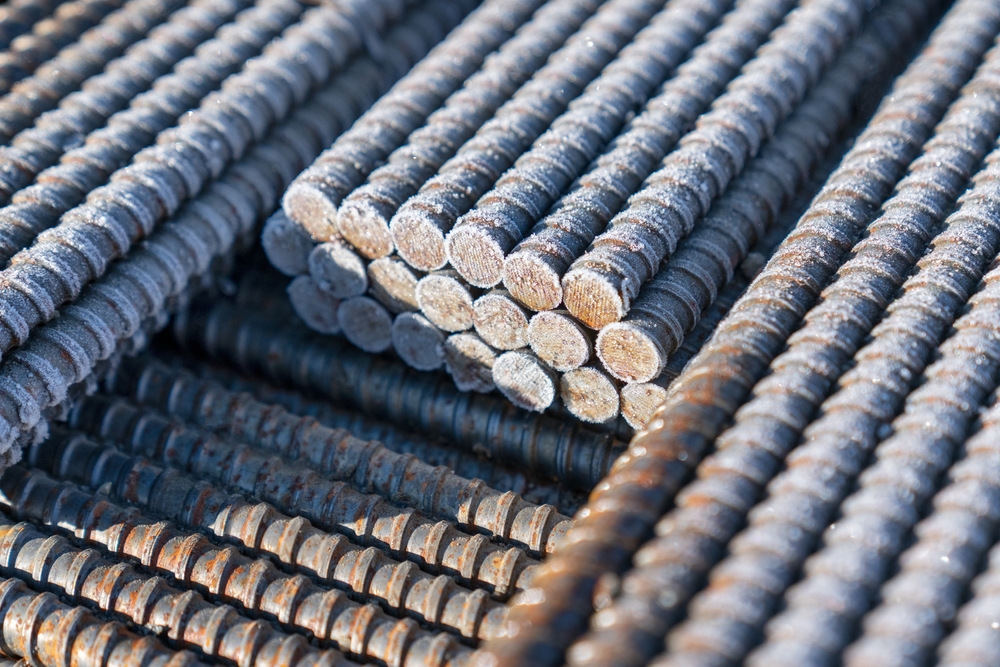
Ribbed rebar is a special type of steel bar commonly used in modern civil engineering to enhance the durability of reinforced concrete structures. The distinct ridges and grooves on its surface allow the rebar to bond more firmly with the concrete, thereby increasing the structure’s overall strength. Also known as ribbed rebar, ribbed steel bars are produced in various diameters and, thanks to the strong bond they form with concrete, help make structures more resilient against external forces, particularly earthquakes. These ridges, formed during the rolling process, increase the steel’s strength while creating a mechanical bond with the concrete, thereby preventing cracking, displacement, or slippage. Thanks to these properties, ribbed rebar is used as an indispensable material in large-scale construction projects such as bridges, high-rise buildings, dams, and infrastructure projects.
How Is Ribbed Steel Used?
Reinforcing bars are used in various stages to increase the strength of reinforced concrete structures. Here are the stages of using reinforcing bars:
Cutting and Bending: The rebar delivered to the construction site is cut to the dimensions specified in the project and bent into the required shapes. These operations are performed using rebar cutting and bending machines.
Placement and Tying: The cut and bent rebar is placed at designated points within the structure according to the construction plan. The rebar is then securely tied together using rebar tying wire.
Formwork Preparation: Before pouring concrete, formwork is set up around the rebar. This formwork ensures that the concrete takes shape and hardens into the desired form.
Concrete Pouring: Concrete is poured into the prepared forms. The concrete spreads completely around the rebar and bonds strongly with it.
Curing and Hardening: After the concrete is poured, it is allowed sufficient time to harden. During this process, the concrete forms a strong bond with the rebar, and the structure reaches the desired strength.
Using ribbed rebar in this way enhances the durability and safety of structures, making them particularly resistant to dynamic loads such as earthquakes.
Where Is Ribbed Steel Used?
Reinforcing steel has a wide range of applications and plays a critical role in the construction industry. It is widely used in the structural framework of high-rise buildings, in the strong load-bearing systems of bridges and viaducts, in the interior linings of tunnels, in the water-pressure-resistant structures of dams, and in various infrastructure projects. In projects such as roads, waterways, and sewer systems, rebar enhances the strength of reinforced concrete pipes and other structural elements, resulting in long-lasting and durable structures. In soil reinforcement projects, rebar serves as a critical component for ensuring soil stabilization.
Reinforcing bars, which are particularly preferred for strengthening weak soils and in slope stabilization projects, are also used in sturdy industrial structures capable of bearing the loads generated by large spans and heavy machinery. In marine structures—such as ports, piers, and seawalls—ribbed rebar is combined with reinforced concrete elements to ensure resistance to the corrosive effects of seawater. In buildings constructed in earthquake-prone areas, rebar ensures that structures are resistant to seismic activity and preserves the structural integrity of the building against lateral and vertical forces that may occur during an earthquake. Thanks to these properties, rebar has become an indispensable material in modern construction projects. With its durability, strength, and workability, it enables the creation of safe and long-lasting structures in civil engineering.