
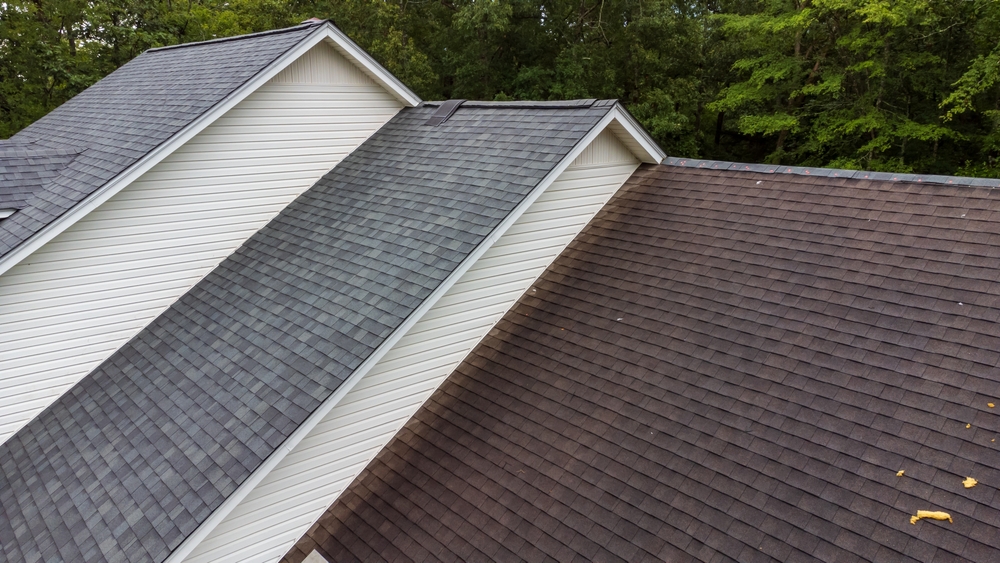

Roofing is an important structural process carried out to protect the uppermost part of a building from external factors. A proper roofing system is crucial for ensuring resistance to natural elements such as sun, rain, snow, and wind, extending the building’s lifespan, and improving energy efficiency. The roofing process involves selecting appropriate materials, using proper installation techniques, and performing regular maintenance. In this article, we will take a detailed look at what roofing is, what materials are used, and how it is applied.
What Is Roofing?
Roofing is a construction technique used to protect the uppermost part of a building from external factors, and this technique directly affects both the building’s aesthetic appearance and its functionality. Roofing is carried out using various natural and synthetic materials, including options such as roof tiles, metal sheets, asphalt shingles, concrete, slate, and bituminous membranes. Each material has its own advantages and disadvantages; for example, roof tiles are aesthetically appealing and durable, but they are heavier and can be more labor-intensive to install. Metal sheets, on the other hand, are lightweight and long-lasting, but they can cause sound insulation issues if proper insulation is not provided.
The roofing process begins with selecting the right material. This choice depends on various factors, such as climate conditions, the building’s architectural structure, budget, and aesthetic preferences. After the material is selected, the roofing process begins. The first step is to properly prepare the roof surface; this stage involves inspecting the roof structure and making any necessary repairs. Next, a waterproofing layer is applied, and the selected roofing material is carefully installed. Professional installation extends the life of the roofing and improves the building’s energy efficiency.
Roofing not only provides protection against weather conditions such as rain, snow, and wind, but also helps save energy by regulating the building’s internal temperature. For this reason, regular maintenance and inspections are important; this ensures that minor damage is detected and repaired, thereby extending the lifespan of the roofing materials. In summary, roofing is one of the most critical components of a building, and with the right material selection, professional installation, and regular maintenance, it is possible to have a long-lasting and efficient roof.
How to Install Roofing?
The roofing process consists of several important stages that require careful planning and attention to detail. The first stage is preparing the roof surface. During this step, the existing roofing materials are carefully removed, and the condition of the roof frame is inspected. Ensuring that the frame is sturdy and sound is critical to the durability and performance of the new roofing. After the old materials are removed, an assessment is made to determine whether the roof structure requires any repairs, and necessary repairs are carried out. During this stage, any rotted or damaged sections of the roof structure are replaced or reinforced. Thorough preparation ensures that subsequent steps proceed smoothly and contributes to the roof’s longevity.
After completing the preparation phase, the next step is to apply the waterproofing layer, which is the second key step in roofing. The waterproofing layer protects the roof layers from water leaks and prevents moisture problems inside the building. This layer is typically created using bituminous membranes or waterproof sheeting. Proper waterproofing enhances the roof’s durability and reduces long-term maintenance costs. It is essential to ensure that the waterproofing layer covers the entire roof surface without leaving any gaps. Additionally, appropriate slopes and drainage systems must be installed to allow water to flow off the roof easily.
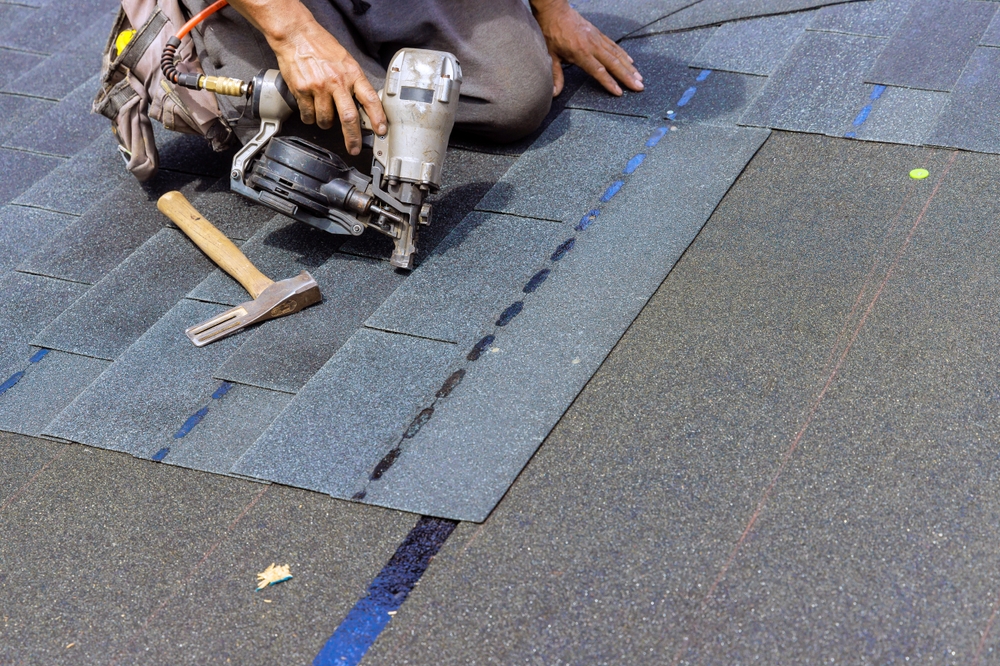
Once the waterproofing is complete, the selected roofing material is carefully installed. This step varies depending on the type of roofing material. For example, if tile roofing is to be installed, the tiles must be laid in an orderly and tight manner. In metal sheet roofing, the sheets are secured by screwing them to the roof frame, and the joints between them are sealed with special insulation materials. For shingle roofing, each shingle is secured to the roof surface by being glued and nailed in place. During these processes, care must be taken to ensure that the materials are installed properly and that there are no gaps or installation errors.
Once the roofing process is complete, the roof edges and corner joints are reinforced with special roofing components and made watertight. This step ensures the roof has a finished appearance and provides additional protection against water leaks. Edge flashing components are selected to be compatible with the roofing material and are carefully installed. Additionally, the roof’s ventilation systems are inspected during this phase and cleaned or repaired as needed. Ventilation systems ensure air circulation in the attic and prevent moisture buildup.
Finally, the entire roof surface is carefully inspected to check for any deficiencies or errors. At this stage, special attention is paid to whether there are any gaps, cracks, or installation errors in the roofing. If any issues are identified, the necessary corrections are made immediately. This final inspection is critical to ensuring the roof’s longevity and durability. Once all steps are successfully completed, the roofing process is finished, and the building is provided with strong protection against external elements.