
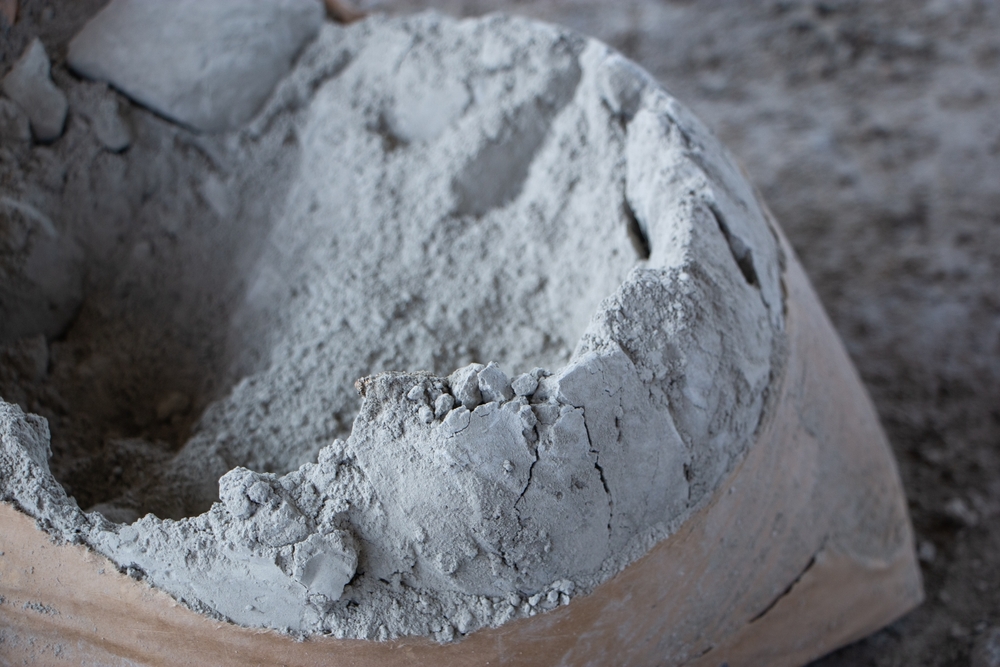

Cement is one of the cornerstones of the construction industry, and its different types vary depending on their intended uses. In particular, gray cement and white cement differ in both appearance and composition. While gray cement is a widely used construction material known for its durability, white cement is preferred for aesthetic and decorative applications. So, what are the key differences between these two types of cement? Which one offers more advantages depending on the application? In this article, we will take a detailed look at the composition, production process, applications, and performance differences between gray and white cement.
What Is Gray Cement?
Gray cement, produced by grinding raw materials such as limestone, clay, silica, and iron oxide at high temperatures, is one of the most widely used binding materials in the construction industry. The iron oxide and other mineral components in its composition give cement its characteristic gray color. Due to its high strength and cost-effectiveness, it has a wide range of applications, from residential construction to infrastructure projects. Used as a key component in concrete production, gray cement hardens through a chemical reaction when mixed with water, forming a durable building material. Its longevity, high strength, and cost-effectiveness have made it an indispensable element of the construction industry.
What Is White Cement?
Although white cement has a production process similar to that of gray cement, it has a light, bright color due to the minimal levels of coloring components such as iron oxide and manganese in its composition. Specially produced for aesthetic and decorative applications, this type of cement is preferred for precast elements, mosaic floors, architectural concrete, and decorative plasters used in both interior and exterior spaces. Because it is produced from high-purity raw materials, it provides a whiter and smoother surface compared to gray cement. Additionally, its compatibility with paint and coloring processes offers broad design flexibility. Combining durability with an aesthetic appearance, white cement is a material that stands out particularly in decorative construction projects.
What Are the Differences Between Gray Cement and White Cement?
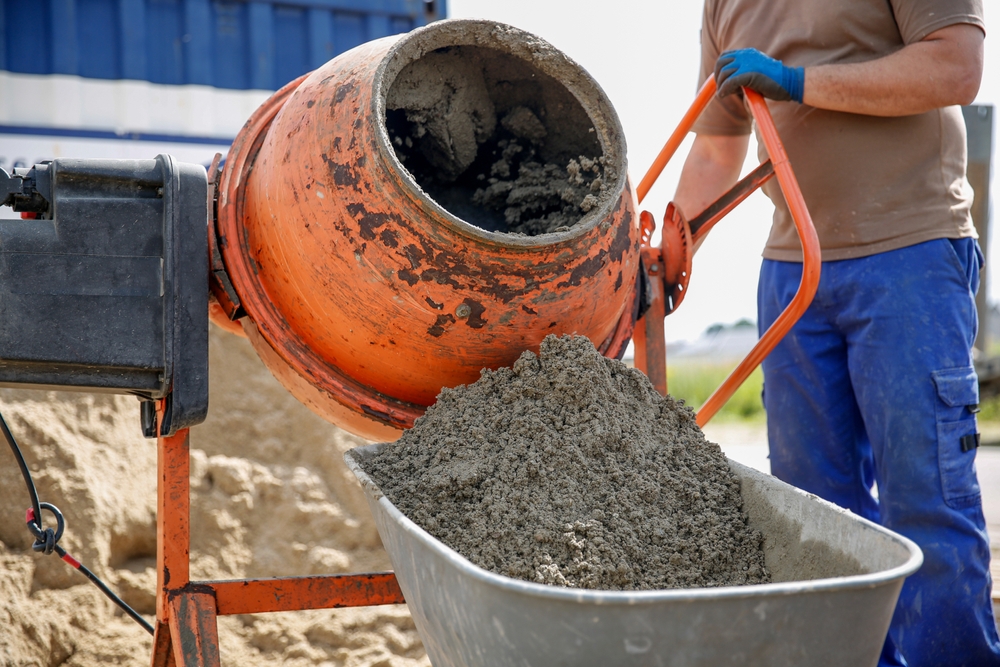
Although gray cement and white cement are produced based on the same principle, they exhibit distinct differences in terms of their composition, applications, and aesthetic properties. Gray cement has a dark color and a durable structure because it contains a high proportion of iron oxide and other metal components. It is generally used in reinforced concrete structures, infrastructure projects, and general construction work. White cement, on the other hand, is produced by keeping coloring oxides such as iron and manganese to a minimum, giving it a light, bright color.
Ideal for decorative and architectural applications, white cement is preferred for mosaic flooring, precast concrete elements, special coatings, and artistic designs. Additionally, while white cement blends easily with color pigments to allow for applications in various shades, gray cement is typically used in its natural color. Due to differences in the production processes, white cement generally costs more than gray cement because it requires more refined raw materials. While gray cement stands out for its durability and economic advantages, white cement offers a more suitable option for aesthetic and decorative applications.
What Should You Consider When Choosing Cement?
Cement is one of the most critical components of building materials, and choosing the right type of cement is of great importance for a project’s durability, aesthetics, and longevity. When making this choice, the first step is to assess whether the type of cement to be used is suitable for the project’s needs. For example, while gray cement is generally preferred for reinforced concrete structures and infrastructure projects, white cement may be more suitable for decorative applications and architectural details.
The strength class of the cement should also be taken into account during the selection process. Cements with different strength levels affect the final compressive strength of the concrete. For projects requiring high strength, cement types with stronger binding properties should be preferred. At the same time, the setting time of the cement should also be considered. Fast-setting cements offer an advantage for elements that need to be removed from the formwork quickly, while slower-setting types are more practical for projects requiring a longer working time.
The cement’s resistance to environmental conditions is also an important factor in the selection process. In particular, cement types containing appropriate additives should be chosen, taking into account external factors such as moisture, freeze-thaw cycles, and exposure to chemical agents. Using sulfate-resistant cement in aggressive environments, such as seawater, ensures the structure’s longevity.
The quality of the supplied cement must be checked to ensure it meets the required standards. Cement sourced from reliable manufacturers and certified as compliant with international or local standards is of great importance for structural safety. Poor-quality or improperly selected cement can pose serious risks by causing structural deformation, cracks, and loss of strength in the years to come. Therefore, both technical requirements and long-term performance must be taken into account when selecting cement.