
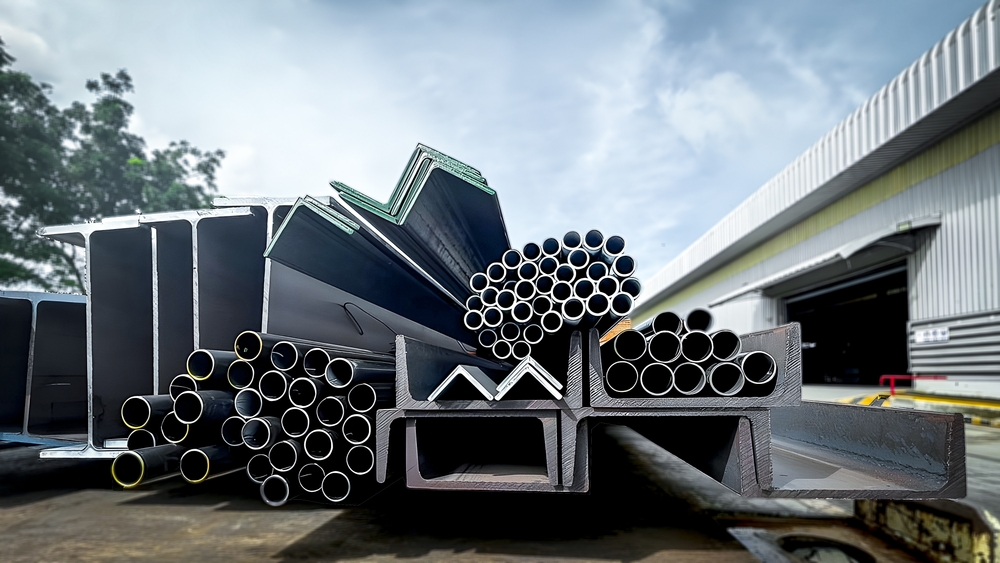

The construction industry is constantly evolving in line with rapidly changing technology, sustainability needs, and the demands of modern life. In 2025, numerous innovations and trends are set to transform the industry. From green building practices to smart city projects, and from digitalization tools to innovative building materials, these developments are making the construction industry more environmentally friendly, efficient, and technologically advanced. In particular, energy efficiency, reducing the carbon footprint, and the increasing use of artificial intelligence in construction processes will be among the sector’s top priorities in 2025. In this article, you will explore the key trends that will shape the construction industry in 2025 and the opportunities these innovations will bring to the sector.
What Are Construction Technologies?
Construction technologies encompass innovative methods and tools that enable modern buildings to be constructed more quickly, efficiently, and sustainably. These technologies offer significant advantages in the construction industry in terms of both labor and cost. Building Information Modeling (BIM) is one of the most important innovations in this field. BIM allows projects to be modeled in detail in a digital environment and ensures that all processes are managed transparently. This enables potential errors to be identified in advance during the design phase and prevents the waste of resources.
Another notable construction technology is the use of 3D printers. 3D printers enable the rapid and cost-effective production of building components. This technology plays a significant role, particularly in the production of prefabricated structures and the realization of complex designs. Additionally, artificial intelligence and drone technologies are widely used in the construction industry. Artificial intelligence optimizes processes in many areas, from project planning to cost analysis, while drones provide speed and precision in areas such as construction site inspection, land analysis, and logistics management.
Sustainability is also an important part of construction technologies. Recyclable materials and smart building systems enable the construction of environmentally friendly structures by increasing energy efficiency. In particular, innovative solutions such as self-healing concrete and heat-sensitive materials both increase the durability of structures and reduce maintenance costs. Advances in robotic systems within construction technology are replacing human labor, enabling dangerous tasks to be performed safely and quickly. All these innovations are leading the construction industry toward a more efficient, safer, and more environmentally friendly future.
What Are the Most Commonly Used Building Materials?
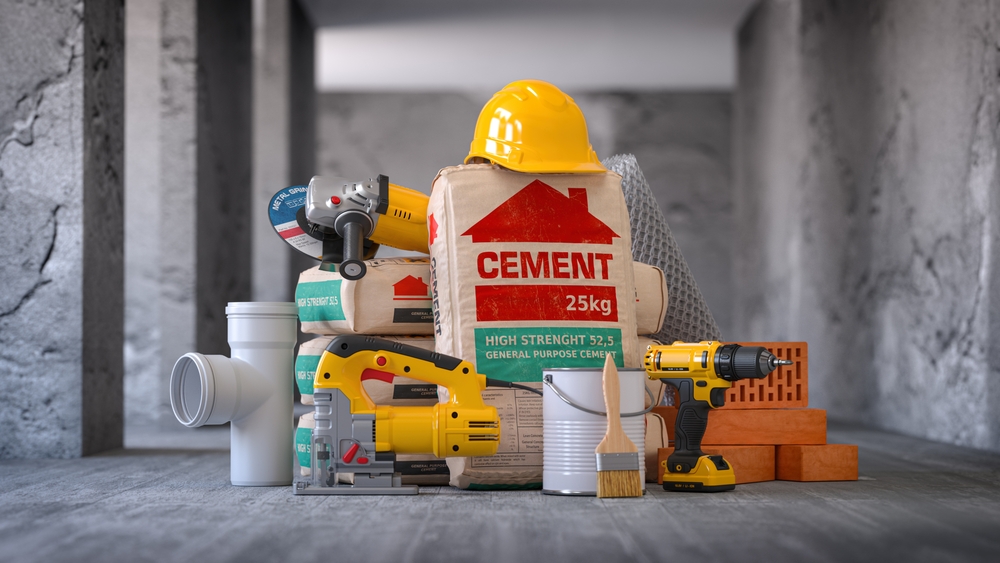
Building materials are the elements used in the construction of a structure—from its foundation to its roof—and they determine the project’s durability, aesthetics, and functionality. Among the most commonly used building materials in the construction industry are concrete, steel, wood, brick, and glass. Concrete is the most preferred material in modern structures due to its durability and design flexibility. It is indispensable, particularly in projects requiring high durability, such as floors, bridges, and dams. Steel, on the other hand, is frequently used in the construction of large structures, skyscrapers, and industrial facilities due to its strength and flexibility. Steel structures are an ideal choice for creating earthquake-resistant buildings.
Wood stands out as a natural building material due to its light weight and aesthetic appeal. It is widely used, particularly in interior design and small-scale structures. Its status as a sustainable material also makes it a preferred choice for eco-friendly construction projects. Brick is a material used in both traditional and modern buildings; it provides thermal insulation and is known for its durability. It is generally used in masonry work and offers an aesthetic appearance. Glass, on the other hand, plays a major role in contemporary architecture due to its light transmission and aesthetic appeal. Large glass panels give modern buildings a spacious and elegant look.
In addition, the materials used in building insulation play a significant role in improving the energy efficiency of buildings. Materials used for thermal insulation—such as rock wool, glass wool, and polyurethane foam—help buildings conserve energy and enhance indoor comfort. The proper selection of building materials not only extends a building’s lifespan but also significantly reduces costs. Therefore, when selecting materials, the building’s intended use, climatic conditions, and economic factors must be taken into account.