
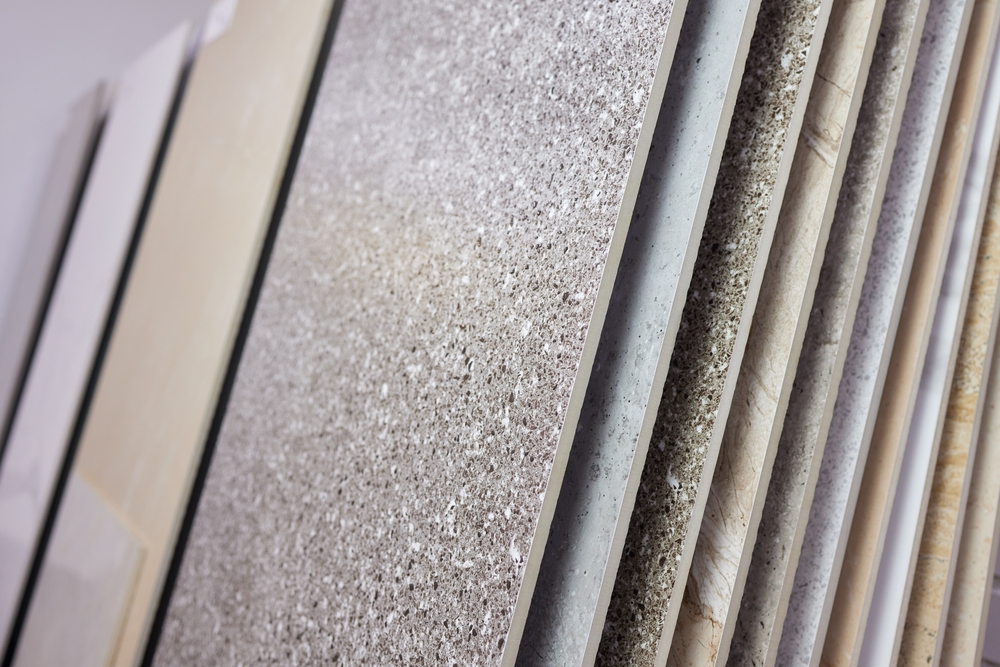

The materials used in the construction industry directly affect a building’s durability, aesthetics, and functionality. Choosing the right materials for construction projects not only extends the structure’s lifespan but is also of great importance in terms of energy efficiency and sustainability. So, what are the most commonly used building materials in the construction industry, and what are their characteristics? In this article, you’ll explore building materials such as concrete, steel, wood, and brick, as well as the advantages of each. How about getting to know these materials—which are frequently used in both individual home projects and large-scale structures—a little better?
What Are Building Materials?
Building materials are the fundamental elements used during the construction of a building and are generally selected based on criteria such as durability, aesthetics, and functionality. Among the most commonly used building materials in the construction industry are concrete, steel, wood, brick, glass, and plaster. While concrete is preferred for foundation structures due to its strength and longevity, steel is generally used in structures requiring high strength. Wood stands out not only for its aesthetic appeal but also as an environmentally friendly option. Brick is popular for both its durability and its thermal insulation properties. Glass provides transparency and light transmission in modern buildings, while plaster stands out in interior design for its lightness and ease of shaping. Each material offers different advantages depending on its intended use and the building’s specific needs.
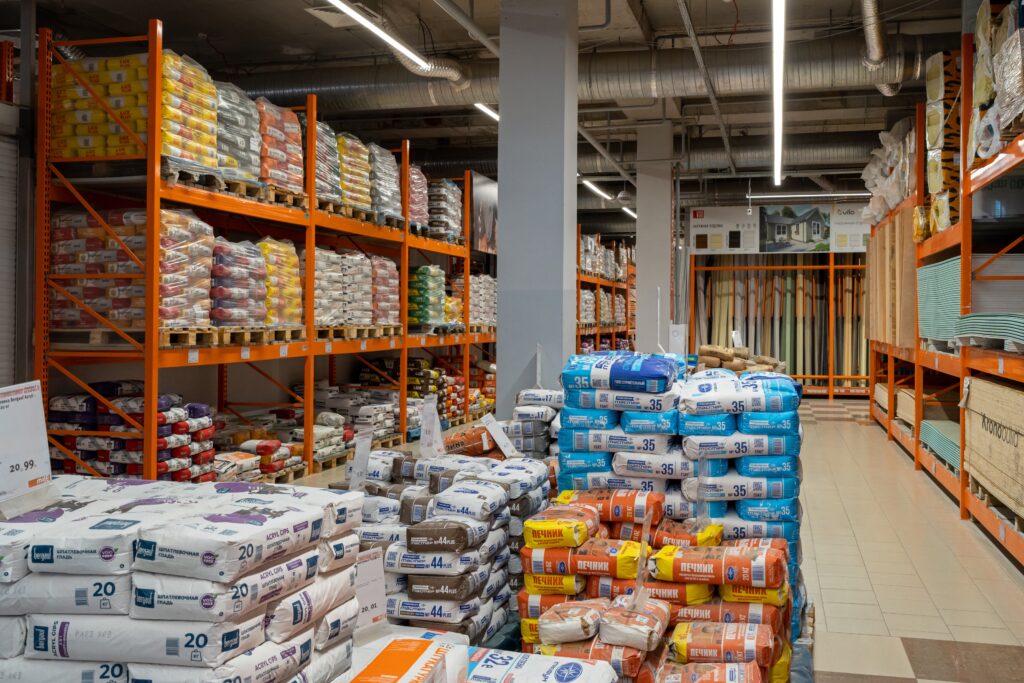
What Are the Properties of Building Materials?
The properties of building materials are the most important factors determining a structure’s durability, energy efficiency, aesthetic appearance, and overall functionality. Each building material has unique properties designed to suit different projects. Concrete is frequently used in structural elements such as foundations, columns, and floors due to its high compressive strength and long service life. Additionally, properties such as water resistance and faster curing can be achieved by adding admixtures to concrete. Steel is a material that is highly superior in terms of elasticity and tensile strength; it is used particularly in large-scale projects such as skyscrapers, bridges, and industrial structures. The fact that steel is recyclable provides a significant advantage for sustainable construction projects.
Wood is a material preferred especially in eco-friendly construction projects due to its natural appearance and light weight. It also provides excellent thermal and sound insulation, creating a comfortable living space. Brick is not only a good thermal and sound insulator but is also durable and fire-resistant. It finds its place in both traditional buildings and modern designs. Glass stands out for both its aesthetic appeal and functionality; it allows light to pass through, contributing to natural lighting, and is considered an indispensable element of modern architecture. Plaster is quite popular in interior design due to its light weight, ease of shaping, and affordability.
When selecting all these materials, factors such as the material’s physical durability, suitability for climatic conditions, aesthetic appearance, and cost are taken into account. Choosing the right materials ensures the structure’s longevity and makes significant contributions to energy efficiency and environmental sustainability. Therefore, understanding the properties of building materials is one of the fundamental steps in a successful construction project.
What Should You Consider When Choosing Building Materials?
The selection of building materials is of critical importance in terms of a structure’s strength, durability, and functionality. When selecting the right materials, the project’s requirements and the intended use of the structure must first be taken into account. Climate conditions have a significant impact on material selection; for example, water-resistant materials are preferred in humid regions, while materials that provide elasticity and strength should be used in areas at risk of earthquakes. Budget is another important factor in the selection process. High-quality, durable materials may seem costly at first, but they save money in the long run by reducing maintenance and repair costs. Additionally, energy-efficient materials not only create an environmentally friendly structure but also provide a comfortable living space through thermal and sound insulation.
When making a selection, the load-bearing capacity, suitability, and maintenance requirements of the materials should also be taken into account. For example, while concrete and steel have high load-bearing capacities, wood is ideal for lighter structures. In addition, aesthetic and design criteria should not be overlooked; the appearance of the material should be in line with the project’s overall architectural concept. Finally, as environmental sustainability has become increasingly important, recyclable and eco-friendly materials should be prioritized. When all these factors are evaluated together, the selection of building materials not only enhances construction quality but also provides a cost-effective and environmentally friendly solution.