
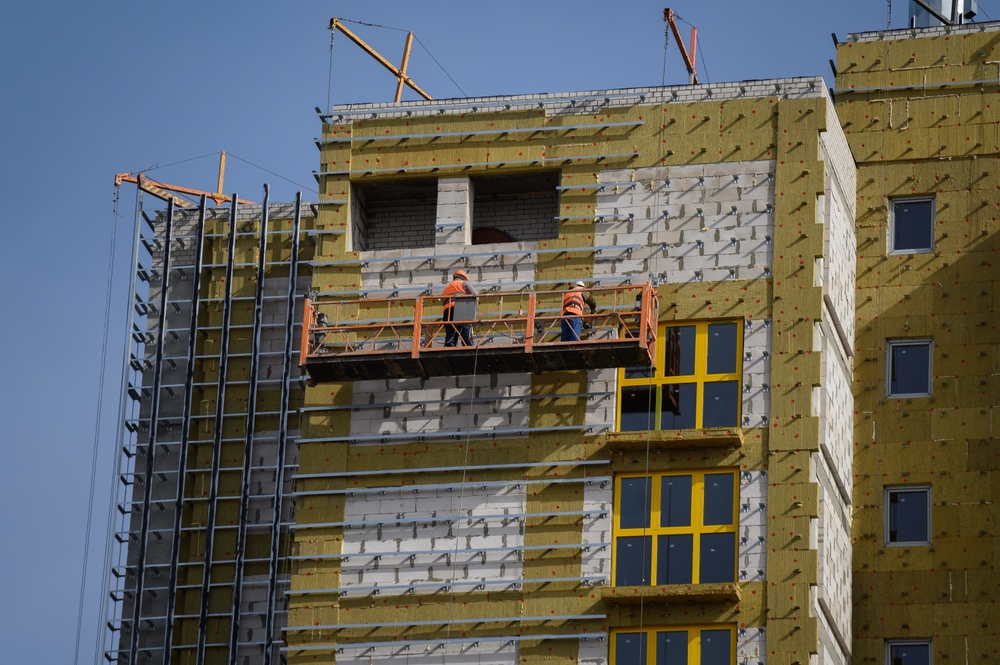

In recent years, exterior insulation systems have become increasingly important for improving the energy efficiency of buildings, preventing heat loss, and creating comfortable living spaces. Exterior insulation aims to provide both thermal insulation and an aesthetic appearance by covering the exterior facades of buildings with insulation materials. Based on various materials and application methods, these systems offer numerous advantages, ranging from energy savings to environmentally friendly solutions. So, what are building exterior insulation systems, and in which situations should they be preferred? In this article, we will discuss the most commonly used types of exterior insulation and their benefits.
What Is Exterior Insulation?
Exterior wall insulation is an insulation method used to cover the exterior surfaces of buildings in order to provide thermal insulation and improve energy efficiency. This method minimizes heat loss by helping buildings stay warm in the winter and cool in the summer, thereby significantly reducing energy consumption. Exterior insulation not only provides thermal insulation but also protects building facades from external elements, increasing their durability and extending their lifespan.
Thanks to the insulation materials applied to the exterior walls of buildings, damage that adverse external factors—such as cold air, hot air, rain, snow, and wind—could cause to the structure is minimized. In addition, the exterior insulation process enhances the building’s aesthetic appeal, prevents cracks from forming, and ensures that the exterior paint lasts longer.
In today’s world, where energy conservation is becoming increasingly important, exterior wall insulation contributes to reducing the carbon footprint as an environmentally friendly solution. The installation of exterior wall insulation systems, particularly in buildings with high energy consumption, is a highly effective method for lowering energy costs and reducing environmental impacts. Providing thermal insulation in buildings not only offers economic benefits to individual users but also supports the achievement of global environmental protection goals.
Why Is Exterior Insulation Important?
Exterior insulation is of great importance in terms of improving the energy efficiency of buildings, making living spaces more comfortable, and contributing to environmental sustainability. By minimizing heat loss and reducing energy consumption, this system not only lowers energy costs for individual users but also helps conserve natural resources. At the same time, by protecting buildings from outdoor weather conditions, it enhances structural durability and extends the building’s lifespan. Exterior insulation also plays a key role in efforts to mitigate the effects of global warming; by reducing carbon emissions, it offers an environmentally friendly solution. The benefits it provides—both economically and environmentally—have made exterior insulation an indispensable component of modern buildings.
What Are Exterior Insulation Systems?
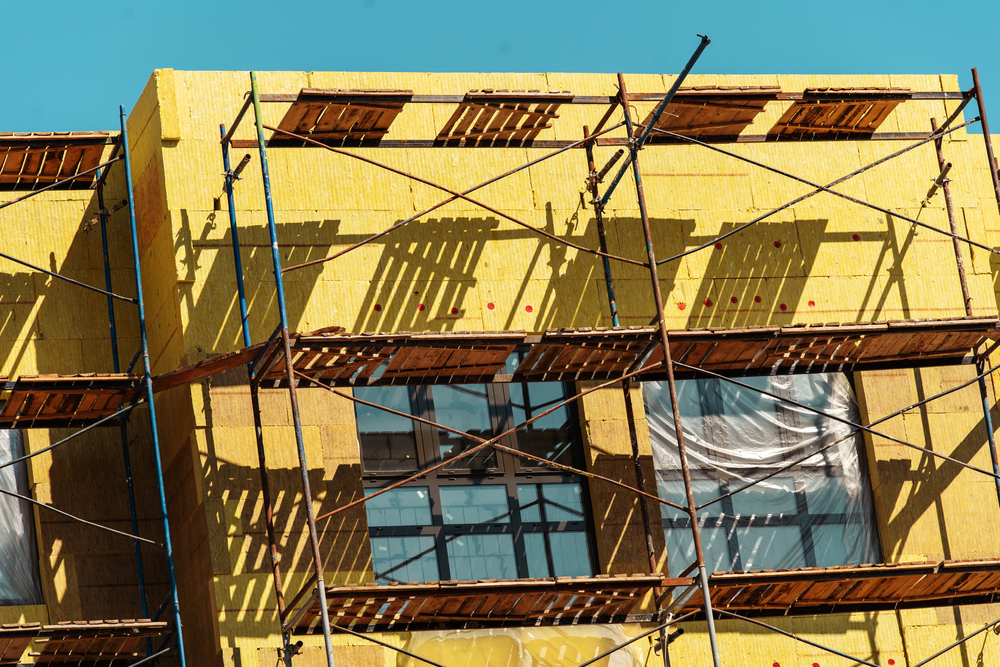
Exterior insulation systems consist of various methods and materials used to improve the energy efficiency of buildings and provide thermal insulation. One of the most commonly used systems is EPS (Expanded Polystyrene) insulation. Preferred for its lightweight structure, affordability, and high insulation performance, this system is widely used, particularly in residential projects. Another popular option is XPS (Extruded Polystyrene Foam) insulation. With its more durable and waterproof structure, XPS offers an effective solution in humid regions and on ground floors. Stone wool insulation stands out for its fire resistance and sound insulation properties. It is particularly preferred in buildings that must meet high safety standards. Additionally, more advanced systems such as PU (polyurethane) and phenolic foam are increasingly being used in modern buildings due to their superior insulation properties and long service life.
Factors such as the climate conditions where the building is located, the structure’s characteristics, and the budget play a decisive role in the selection of exterior insulation systems. The advantages and disadvantages of each system vary depending on the application area. For example, while EPS accelerates the construction process with its lightweight structure and ease of application, systems such as stone wool provide extra protection in terms of durability and fire safety. In addition, the exterior cladding materials used in all these systems offer decorative solutions that enhance the aesthetic appearance of buildings. This variety makes building insulation systems an important option not only for energy savings but also for aesthetic and environmental benefits.