

Energy efficiency is no longer a choice—it’s a necessity. Especially in newly constructed buildings, both regulations and user expectations require that the structure provide maximum comfort with minimum energy consumption. So how is this balance achieved? The answer lies in every step of the process, from the project’s initial design to the final coat of paint: proper insulation, the right choice of materials, and proper installation.
Energy Conservation Starting from the Ground Up
Energy efficiency isn’t achieved simply by using 10 cm of XPS on the roof. It’s essential to start from the foundation. Thermal insulation installed beneath the building’s foundation significantly reduces heat loss through the ground. This step should not be overlooked, especially in projects where the parking garage, basement, or ground floor is in direct contact with the outside air.
One of the most commonly used materials here is XPS thermal insulation boards. Thanks to their moisture resistance, ability to withstand pressure, and long service life, they are an indispensable part of insulation starting from the foundation.
Exterior Insulation: True Protection Through Insulation
Exterior walls are where the greatest energy losses occur. Heat escapes most easily through exterior walls. That is why exterior insulation—which acts as a winter coat for buildings—is the backbone of energy efficiency.
The type, thickness, and application method of the material to be used for exterior insulation are critical. Will EPS or rock wool be used? What are the facade details? What is the climate zone where the building is located? All of these are key factors in selecting the right material.
In addition, decorative plasters or cladding panels used on exterior facades should serve not only an aesthetic purpose but also as elements that complement the insulation. This is because a poorly finished facade renders even the best insulation panels ineffective.
Windows: Silent Energy Leaks
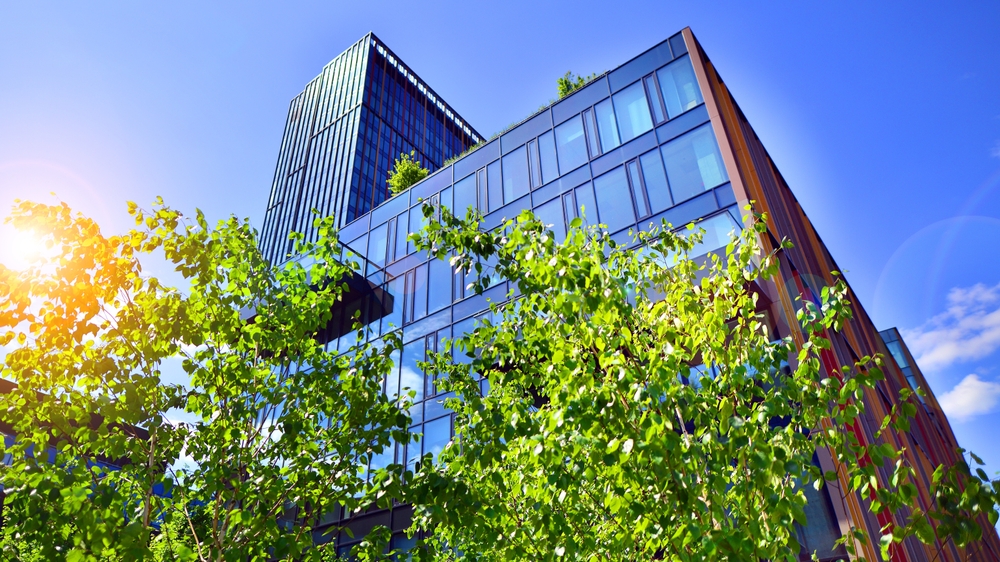
Although it is often overlooked, a large portion of energy loss occurs through windows. Double-pane windows, thermal breaks between the window and the wall, and weatherstripping play a key role in energy efficiency. PVC or aluminum? What is the glass thickness in mm? What type of glass should be used on facades exposed to sunlight? While these may seem like minor details, they have a significant impact on your total energy bill.
Roof Insulation: Stop the Cold Coming from Above
Hot air rises, and if there is no proper insulation in the roof, it escapes directly outside. For this reason, the attic plays a significant role in energy efficiency. When installing insulation, both thermal insulation and waterproofing should be considered together. Especially on sloped roofs, a vapor barrier, insulation panels, and a roof underlayment should all be used together. This extends the building’s lifespan while ensuring long-term energy savings.
Quality of Installation: Even the Best Materials Are Useless If Installed Incorrectly
Many construction sites use excellent materials, but because the quality of installation is inadequate, energy efficiency remains a pipe dream. For example, insulation installed with gaps, incomplete mesh installation, and panels that aren’t properly adhered… These issues aren’t visible from the outside, but they cause both heat and money to escape from inside.
For this reason, it is critically important to work with experienced professionals, have the project teams conduct inspections, and pay close attention to details on-site.
Energy Performance Certificate: Every Building Now Has Its Own Report Card
By the way, all new buildings in Turkey are now required to obtain an Energy Performance Certificate (EPC). This certificate indicates the building’s energy class and essentially serves as its “energy performance report.” If the project is carried out with proper insulation, high-quality materials, and skilled craftsmanship, the certificate will result in a Class A or B rating. This means not only energy savings but also an increase in property value.
Energy Efficiency Pays Off
Energy efficiency in construction means long-term savings. It enhances user comfort, reduces utility bills, and minimizes environmental impact. But to achieve this, the right steps must be taken from the very beginning. It’s just as important to use the right materials as it is to execute the work properly. Because there’s no turning back once this work is done. Every action taken on the construction site will affect the people living in that building for years to come.