
When you look at a building from the outside, the first thing that catches your eye is its facade. But it’s not just about aesthetics. Exterior cladding acts as a shield that both protects the structure from external elements and contributes to energy efficiency. Wind, rain, snow, sun, temperature fluctuations… If you’re looking for a facade that will withstand all of these elements for years to come, choosing the right material is essential. So, what are the best options? Is stucco a better choice, or should you go with cladding panels or natural stone? Let’s take a closer look.
Exterior Plasters: Affordable and Practical—But Are They Suitable for Every Environment?
Plaster is undoubtedly the most commonly used exterior cladding material. Cement-based or acrylic-based plasters are applied directly to the building’s surface, creating a smooth and uniform appearance. Their greatest advantage is their affordability. They are the first choice for those looking to keep costs low, especially in large-scale projects.
In addition, decorative plaster applications can be used to create different textures, color effects, or special patterns on exterior surfaces. However, the biggest drawback of plaster is that it may crack over time, fade, or show poor resistance to moisture. Although these disadvantages can be largely mitigated with the right primer and surface protection products, plaster may fall short in terms of long-term durability, especially under very harsh climatic conditions.
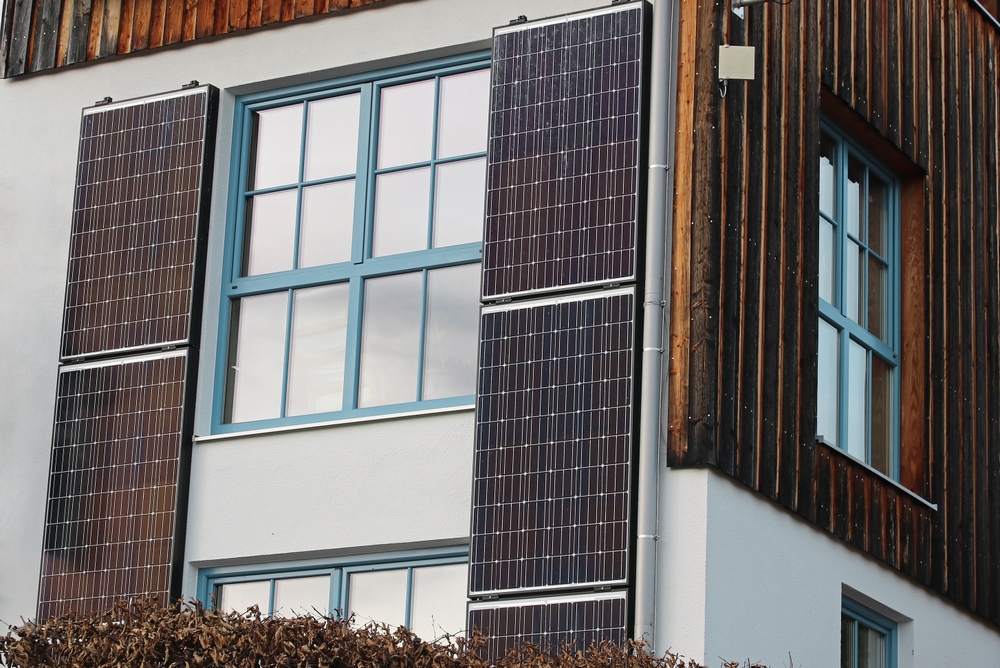
Exterior Cladding Panels: Modern, Lightweight, and Easy to Install
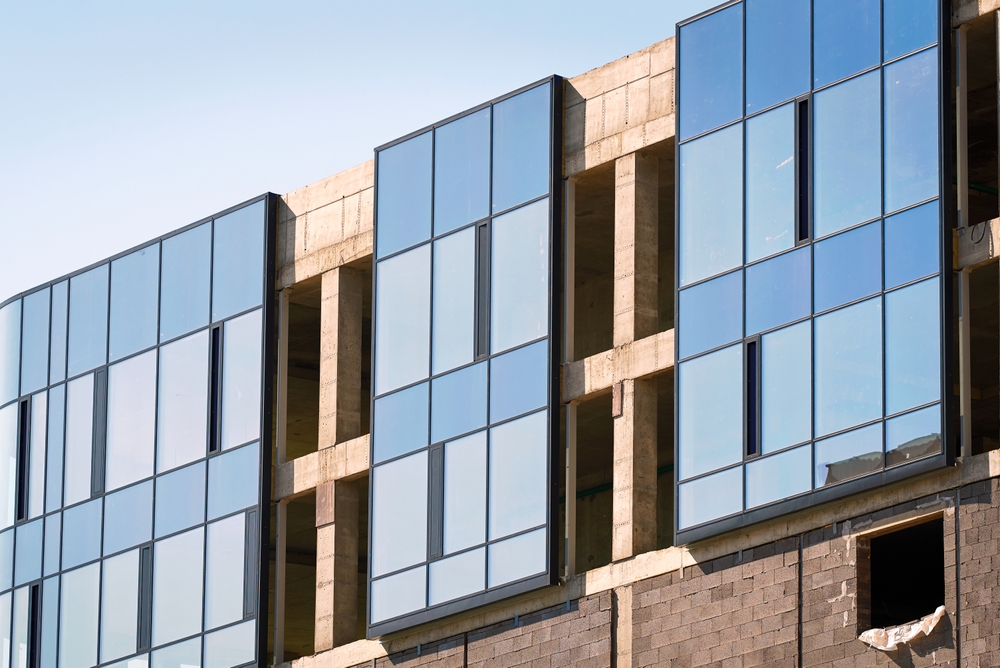
In recent years, exterior cladding panels have seen a significant rise in popularity, particularly in new-generation residential and commercial buildings. Aluminum composite panels, HPL sheets, fiber-cement-based panels, or PVC-based exterior cladding systems… They offer a wide range of aesthetic options, and their installation processes are quite fast.
What Are the Advantages of Exterior Wall Panels?
They can work in conjunction with thermal insulation.
They are lightweight and do not strain the carrier.
Modern facades can be created using a variety of textures and colors.
It is not significantly affected by weather conditions during application.
However, there is one important point to keep in mind: installation quality. If proper waterproofing and a sub-structure are not installed beneath the panels, moisture can accumulate behind them over time. This shortens the material’s lifespan. Additionally, some budget-friendly panels may be vulnerable to UV exposure, so products with quality certifications should be preferred.
Natural Stone Cladding: Heavy Yet Strong—A Timeless Choice
If long-term durability is your top priority and you have some flexibility in your budget, natural stone cladding should definitely be at the top of your list. Natural stones such as granite, basalt, travertine, marble, or andesite offer significant advantages in terms of durability, prestige, and aesthetics for exterior facades.
The most notable feature of stone cladding is that it is virtually “impervious” to external factors. It is unaffected by the sun, undeterred by the wind, and does not crack due to temperature fluctuations. For this reason, it is frequently chosen for historic buildings and villa-style projects in particular.
But be aware:
The installation process is difficult, and labor costs are high.
It places an extra load on the building.
Due to the natural shape of the stone, the installation of each piece requires individual attention.
But despite all this, when it comes to durability, stone cladding truly embodies the motto “build it once, use it for a lifetime.”
Which Material Is Better Suited for Whom?
When selecting materials, one should consider not only durability but also climate conditions, budget, the type of building, and its intended use. Let’s look at an example:
If you’re a contractor building a large number of homes, decorative plaster—which is both economical and visually appealing—is a good solution.
If you’re building a commercial building or a shopping center, aluminum composite or fiber-cement panels will give you a more modern and prestigious facade.
If you’re building the exterior of a single-family home or villa and longevity is your top priority, you can achieve a sturdy, impressive, and long-lasting solution with natural stone.
Workmanship Is Just as Important as the Materials
It’s important to remember that even the most expensive materials can be ruined by poor workmanship. That’s why the quality of the work depends not only on the choice of materials but also on the installation team and the design of the details. Joint spacing, the substructure of the facade, water drainage details, the quality of the adhesive… It’s all part of a whole.
The peeling facades or bulging panels you see on many buildings are due to poor installation, not the materials themselves.
There is no single “best material” for exterior cladding. But there is one clear truth: “the right material for the right place.” Functionality, durability, and long-term performance must be considered just as much as aesthetic concerns. After all, a facade is not just something to look at—it is also a shield that protects the building from the outside world.