
No matter how solid a building’s foundation may be, you can’t escape water once it sets its sights on that building. Because water seeps in unnoticed, advances silently, and causes irreversible damage over the years. Moreover, it triggers a wide-ranging chain of destruction—from physical damage to health and structural safety, and from comfort levels to economic losses. That’s why waterproofing isn’t a luxury—it’s an essential structural safety measure.
So, what happens if you don’t install waterproofing? Let’s examine the answer to this question under five clear headings. These five headings cover the most common—yet often the least noticed—problems that cause a building to rot from the inside out.
1. Deterioration Starting from the Foundation: Concrete Deterioration and Reinforcement Corrosion
Concrete used in construction is a porous material. In other words, it is permeable to water. If foundations, retaining walls, or basement areas are not properly protected with waterproofing, they will absorb groundwater, rainwater, or external elements. Over time, this leads to cracking, spalling, and surface loss in the concrete.
But there’s something even worse: when water seeps into the concrete and reaches the reinforcing bars, rusting begins. The rusted bars expand, causing micro-cracks in the concrete and weakening the structure’s load-bearing system. In other words, a building’s fundamental safety is put at risk because proper waterproofing wasn’t done.
2. Dampness, Mold, and Health Problems
Dampness threatens not only the structure but also the people living inside it. Basements, ground floors, and exterior walls without waterproofing, in particular, develop moisture over time. Moisture, in turn, leads to mold. This mold begins to grow from within the walls, causing the paint to blister and the plaster to crumble.
When mold spores are inhaled, they can cause serious respiratory problems that affect everyone—especially children, the elderly, and people with asthma. Headaches, fatigue, unpleasant odors, and more… In other words, when a building isn’t properly waterproofed, it’s not the building that suffers—it’s the people living inside.
3. Deterioration of Thermal Insulation Performance
Many people think of waterproofing and thermal insulation as separate tasks. However, a damp building cannot retain heat. Wet walls lose heat more quickly, which makes it harder to keep the house warm in the winter and cool in the summer. In particular, in buildings where the exterior walls have been insulated but not protected against water, the thermal insulation loses its effectiveness over time.
In this case, not only does energy consumption increase, but electricity or natural gas bills also rise. In other words, there can be no talk of energy efficiency in a building without waterproofing.
4. Deterioration of Surface Coatings and Aesthetic Losses
Tiles begin to fall off, exterior plaster cracks, and decorative paint peels. This is because water seeps behind the cladding materials and causes them to come loose. Moreover, this damage not only creates an unsightly appearance but also paves the way for further water infiltration.
Balconies, terraces, roofs, and exterior walls, in particular, become areas that seem to “incur expenses every other day” without proper waterproofing. The cladding installed in these areas will only be long-lasting if paired with the right waterproofing system.
5. Property Value and Marketability Decline
In the construction industry, documents such as the “energy performance certificate,” “insulation certificate,” and “quality assurance certificate” have now become key factors in the sales process. If a building is not protected by waterproofing, this not only lowers its appraised value but also poses a risk in the eyes of the buyer. No one wants to buy a home worrying, “Will moisture problems arise tomorrow?”
In addition, repairing buildings that have been exposed to water is both labor-intensive and expensive. For this reason, buildings without waterproofing become an economic burden in the long run. Waterproofing that is not done from the start comes back to haunt you years later in the form of mounting costs.
So, What Is the Solution?
The solution to all these problems comes down to one thing: a waterproofing system that was done right from the start. There are different solutions for every area that could be exposed to water, from the foundation to the roof:
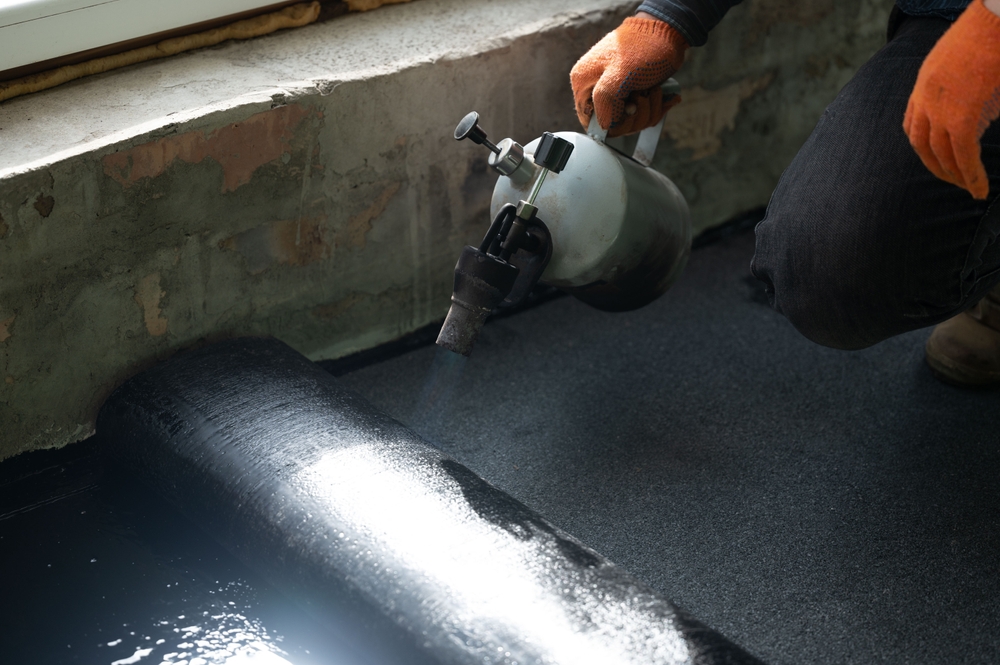
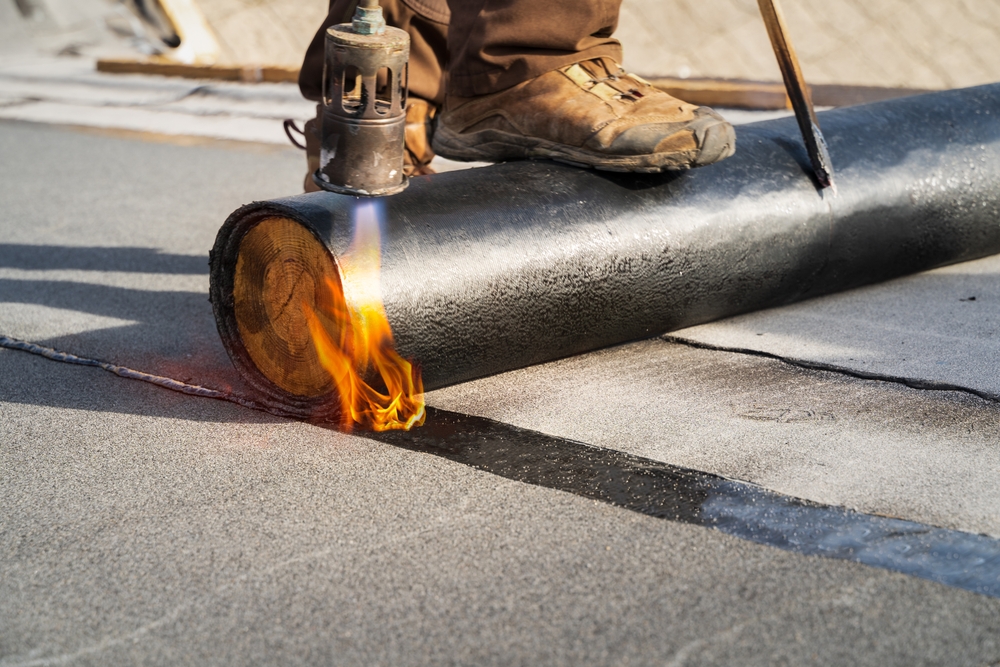
- Bituminous membranes for foundations
- Liquid waterproofing for terraces
- Coat-on waterproofing materials for wet areas
- Breathable cladding for exterior facades
Waterproofing done with the right technical solutions, the right product selection, and a team of experts not only protects the building and ensures comfort, but also saves you money.
As Precious as Water, as Dangerous as Water
Water is life. But if it isn’t managed properly in a building, it can be a disaster. That’s why waterproofing isn’t an option—it’s an integral part of construction. Investing in waterproofing—for the building’s lifespan, the health of its occupants, and economic sustainability—is an investment in the future.